A senior South Korean local official has been expelled from the country’s main opposition party after suggesting that South Korea should “import young women” from Vietnam or Sri Lanka and marry them off to men in rural areas to address the nation’s record-low birth rate.
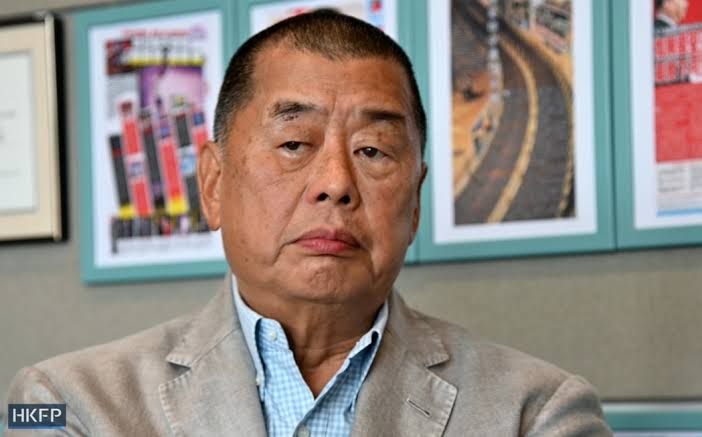
Kim Hee-soo, head of Jindo County in South Jeolla Province, made the remarks during a televised town hall meeting last week. The comments sparked swift domestic backlash, a diplomatic protest from Vietnam, and days of public criticism that culminated in his expulsion from the Democratic Party on Monday.
The incident has reignited debate over how South Korea should confront its deepening demographic crisis without reinforcing harmful stereotypes or undermining the rights of women and migrants.
Speaking at the town hall, Kim suggested that South Korea could address population decline in rural regions by bringing in young women from Vietnam or Sri Lanka, adding that they could be married to young men living outside major cities.
Read Also: South Korea Japan Defense Cooperation Deepens With New Pact
The meeting was convened to discuss a proposed administrative merger between the province that includes Jindo County and a nearby city—an idea increasingly considered in areas struggling with shrinking populations and aging residents.
Kim later said his comments were intended to underscore the severity of population challenges in rural communities. However, he acknowledged that the language he used was “inappropriate,” according to South Korean media reports.
His apology, issued a day after the event, failed to stem the fallout. Public criticism continued to mount online and in political circles, with many condemning the remarks as sexist and demeaning to migrant women.
On Monday, the Democratic Party’s Supreme Council voted unanimously to expel Kim, a party spokesperson told reporters. The decision marked a rare but decisive move, signaling zero tolerance for comments viewed as discriminatory or damaging to South Korea’s international relationships.
Vietnam reacted quickly and forcefully to the comments. The Vietnamese Embassy in Seoul condemned Kim’s remarks in a statement posted on Facebook, saying they reflected more than poor phrasing.
“These words are not simply a matter of expression but a matter of values and attitudes toward migrant women and minority groups,” the embassy said, calling the comments deeply offensive.
Read Also: US South Korea Trade Talks Stall After Tariff Threat
South Jeolla Province also issued a formal apology, acknowledging that Kim’s remarks had caused “deep pain to Vietnamese people and to women.” Sri Lankan authorities have not publicly commented on the controversy.
Within South Korea, women’s rights advocates and migrant support groups criticized the comments as reinforcing outdated and harmful views of marriage and migration. Activists said they plan to hold a rally outside the Jindo County Office on Tuesday to protest Kim’s remarks and call for stronger protections for migrant women.
Public anger reflected broader sensitivities around multicultural families in South Korea, where international marriages—particularly between South Korean men and women from Southeast Asia—have long been part of rural demographics. Critics argue that such marriages have often been framed through a transactional lens rather than one grounded in equality and consent.
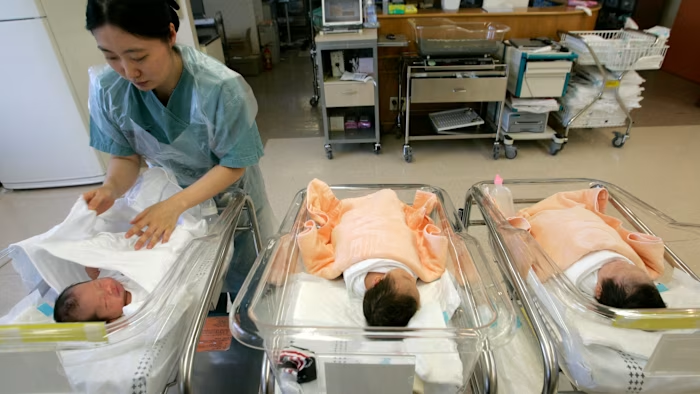
The controversy comes as South Korea grapples with the lowest birth rate in the world, a challenge that has far-reaching economic and social implications.
According to government data cited by outlets including Reuters and the BBC, South Korea’s fertility rate fell to around 0.72 in 2023, far below the replacement rate of 2.1. The country’s population of roughly 50 million could shrink by half within 60 years if current trends continue.
Rural areas have been hit especially hard. Young people continue to migrate to Seoul and other major cities for education and work, leaving behind aging populations and dwindling local economies. Some counties now report more deaths than births by a wide margin each year.
Successive governments have spent billions of dollars on incentives aimed at encouraging couples to have children, including housing subsidies, childcare support, and parental leave reforms. Despite these efforts, birth rates have continued to fall, raising questions about deeper structural issues such as job insecurity, long working hours, high housing costs, and gender inequality.
Experts have repeatedly warned that simplistic or culturally insensitive solutions risk worsening social divisions rather than addressing root causes.
South Korea has increasingly relied on migrant labor and international marriages to offset labor shortages and demographic decline, particularly in agriculture, fisheries, and manufacturing.
According to data referenced by the Associated Press, tens of thousands of foreign women—many from Vietnam, China, the Philippines, and Cambodia—have married South Korean men over the past two decades, often settling in rural communities
The Democratic Party’s decision to expel Kim underscores the political risks surrounding population policy debates, especially when framed in ways that can be perceived as discriminatory.
Party officials said the expulsion was necessary to uphold party values and maintain public trust. It also serves as a warning to other politicians navigating sensitive issues tied to gender, migration, and national identity.
The incident is likely to fuel further discussion about how South Korea addresses its demographic crisis—an issue that cuts across party lines and affects everything from economic growth to national security.
Analysts say meaningful progress will require long-term reforms that make it easier for young people to marry and raise children, alongside policies that promote gender equality and support diverse family structures.