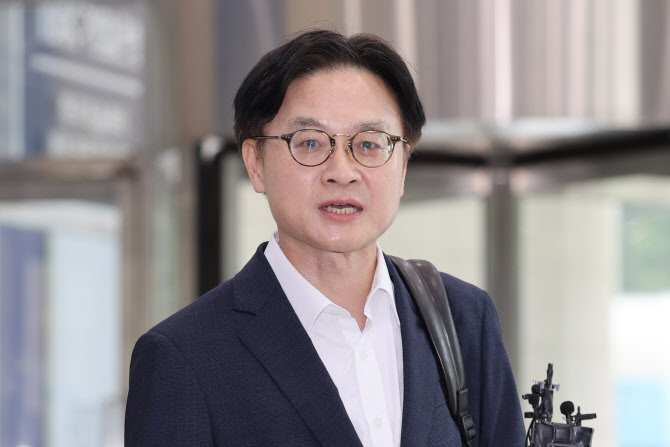
Trade negotiations between the United States and South Korea ended their first day in Washington without a resolution, South Korea’s Yonhap News Agency reported, after President Donald Trump warned of possible increases in tariffs on Korean exports. The talks are aimed at easing growing friction over the implementation of a trade agreement reached last year.
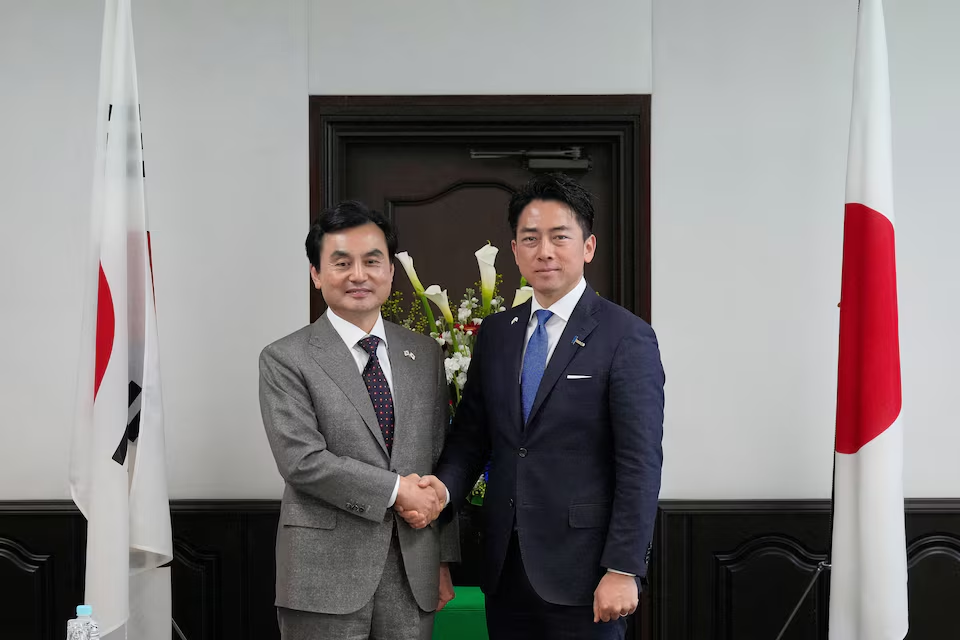
South Korea’s Industry Minister Kim Jung kwan met US Secretary of Commerce Howard Lutnick at the Commerce Department on Thursday, but officials from both sides stopped short of announcing any concrete progress. Kim is expected to return for further discussions on Friday as negotiators attempt to narrow differences and calm market concerns.
The renewed talks come after a sharp warning from President Trump earlier in the week, when he accused South Korea’s parliament of delaying legislation needed to enforce the agreement. Trump said the prolonged delay could lead Washington to impose higher duties on South Korean automobiles and other major exports, a move that would directly affect one of Seoul’s most important industries.
Read Also: Kim Keon Hee Trial Ruling Looms In South Korea
Those remarks appeared to catch officials in Seoul off guard, prompting swift diplomatic engagement with US counterparts. South Korean officials have stressed that the country remains committed to the agreement, which includes substantial South Korean investment in US business projects in return for tariff reductions and improved market access.
On Tuesday, Trump said the two countries would work toward a solution, suggesting that negotiations remain open despite the warning. His comments offered some reassurance that Washington is still willing to resolve the dispute through dialogue rather than immediate trade action.
Read Also: South Korea Drone Investigation Targets Possible Civilian Flights
As part of Seoul’s response, South Korea’s chief trade envoy Yeo Han koo also traveled to Washington to hold separate meetings with US Trade Representative Jamieson Greer. The parallel discussions highlight South Korea’s effort to prevent a broader trade dispute with its closest security partner and one of its most critical export destinations.
South Korea’s Industry Ministry declined to provide immediate comment on the substance of Thursday’s talks, citing the ongoing nature of the negotiations.
The United States and South Korea maintain one of the most significant bilateral trade relationships in Asia, with strong links in the automotive, technology, and manufacturing sectors. Analysts warn that any escalation in tariffs could disrupt supply chains, raise costs for manufacturers, and unsettle financial markets on both sides of the Pacific.