Fela Anikulapo-Kuti

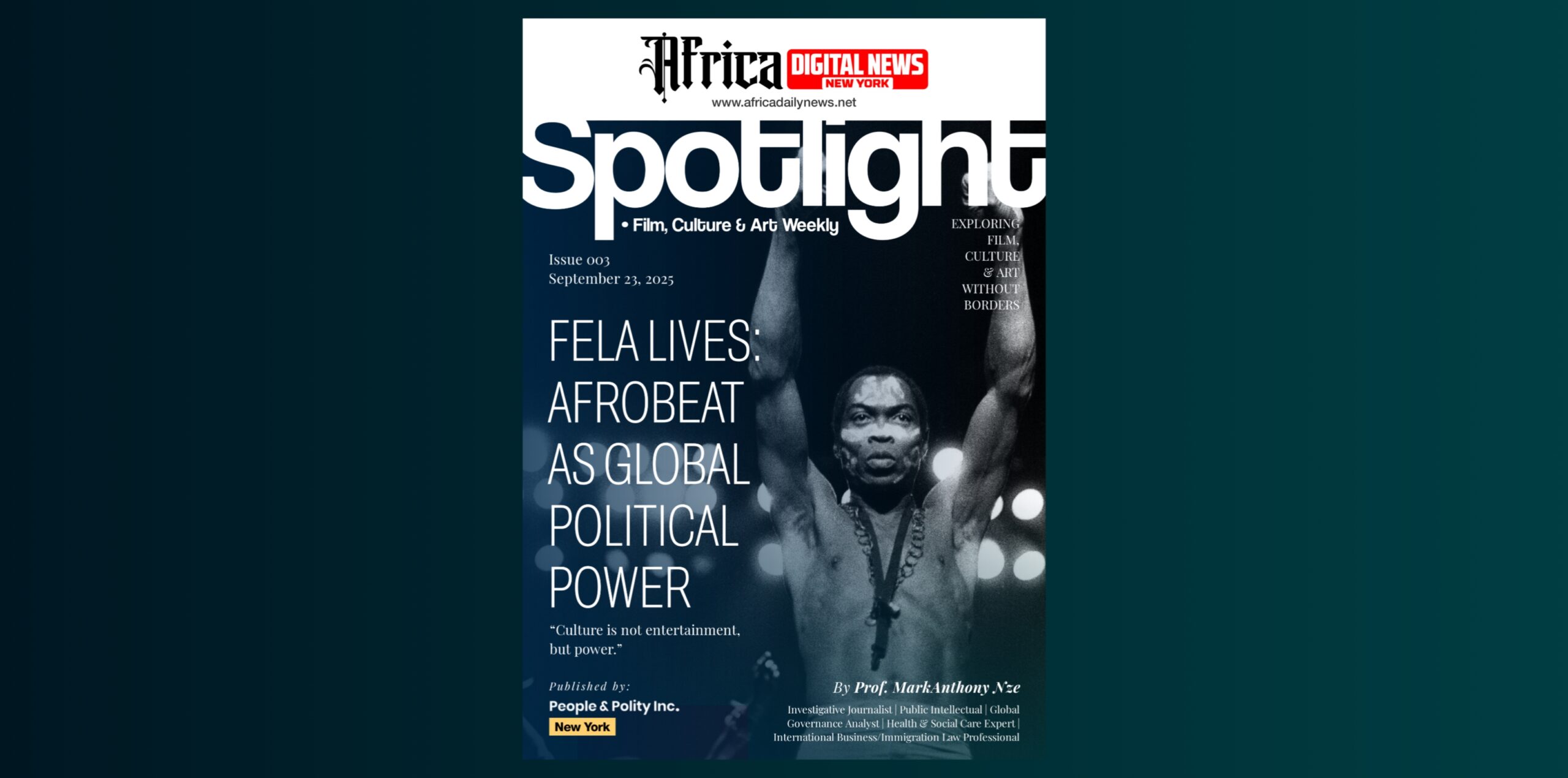
Fela Lives: Afrobeat as Global Political Power

Fela Lives: Afrobeat As Global Political Power

“Culture is not entertainment, but power.”

By Prof. MarkAnthony Nze
Investigative Journalist | Public Intellectual | Global Governance Analyst | Health & Social Care Expert | International Business/Immigration Law Professional

Prologue: The Man Who Refused Silence

There are artists, and then there are architects of history. Fela Aníkúlápó Kútì belongs to the latter order, those rare visionaries who transform music into movement, rhythm into resistance, sound into sovereignty. To speak of Fela is to speak not of entertainment but of insurgency. His art was never an accessory to power; it was its most persistent adversary.

Born in colonial Nigeria, raised …

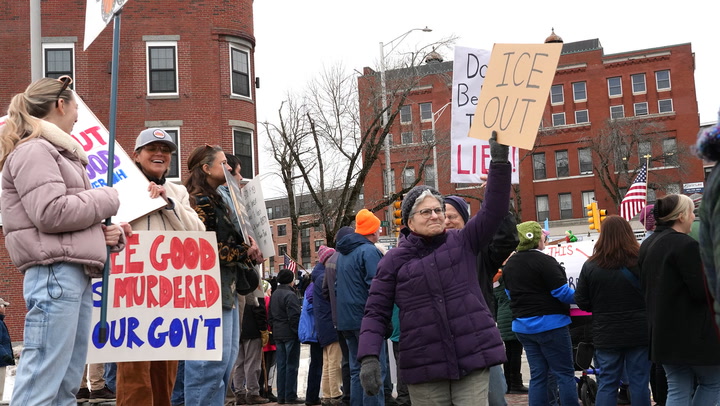
June 12 - Demo-Crazy And Crazy Demonstration

June 12: Demo-Crazy And Crazy Demonstration

Many years ago when the late Afrobeat maestro and prophet, Fela Anikulapo Kuti lamented about our brand of democracy and concluded in his songs that it was rather a demonstration of craze, many did not see what he saw but today he is vindicated.

Since 1999, every administration had always tried to improve the lots of Nigeria, except Buhari’s administration. Not only that he toppled a democratically elected government as a military dictator, he has gone ahead to rubbish all the tenets of democracy in his second coming.
The question arising from happenings today is whether Nigeria still practices democracy …

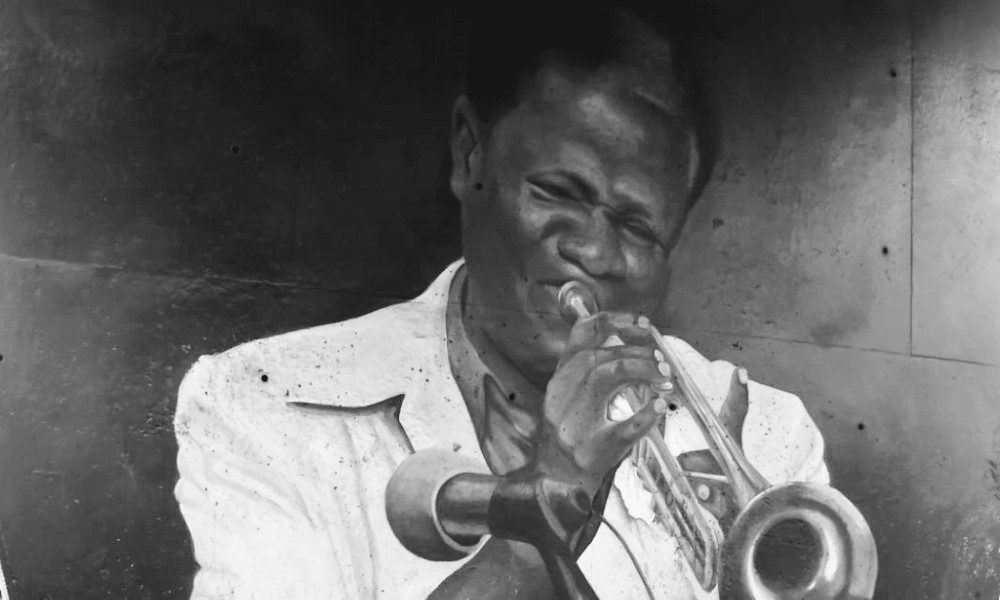
Nigeria's Evil Genius Trumpeter Who Influenced Fela Kuti

Nigeria’s Evil Genius Trumpeter Who Influenced Fela Kuti

Nigeria has been mourning music legend Victor Olaiya, who created Nigeria’s highlife rhythms and influenced a generation of musicians including Fela Anikulapo-Kuti. Nduka Orjinmo looks back at the life of the trumpeter, who died last month at the age of 89.

Just like the well-turned out government filing clerk that he was, Olaiya always carried a pen in his breast pocket. This was not for noting instructions that had to be precisely followed, but rather because he needed to write down the musical notes and phrases as they came to him.

This was at the beginning of the 1950s, his …