Ukraine’s military is reporting initial operational gains on various sectors of the front following SpaceX’s restriction of Russian access to the Starlink satellite internet network, which has been described by Ukrainian officials as having derailed Russian battlefield communications, although the long-term military impact remains unclear.
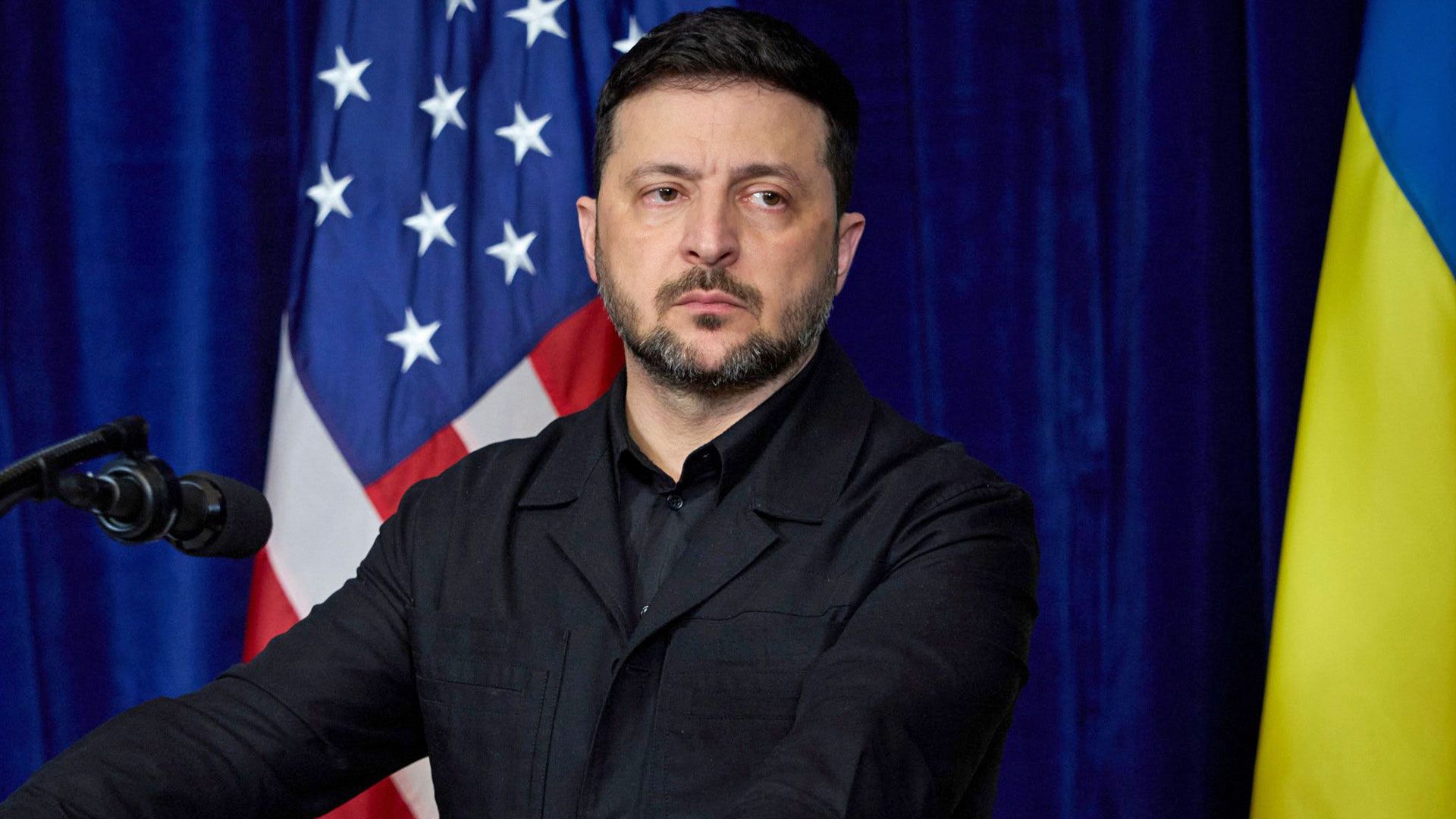
The move came after a call from Ukraine’s digital transformation minister, Mykhailo Fedorov, who asked the U.S.-based company founded by Elon Musk to restrict the unauthorized use of Starlink terminals by Russian forces.
Starting from Feb. 1, SpaceX blocked access in Ukraine unless the terminals were authorized via a government-controlled authorization process, according to Ukrainian officials and military sources.
The satellite communications system of Starlink has become a key communication means in the nearly four-year war, as it enables high-speed and jam-proof internet access in regions where the communication infrastructure has been destroyed.
Both Ukrainian and Russian forces have used the portable terminals to coordinate their troops, send drone footage, and establish command links over a front line of hundreds of kilometers.
Ukrainian military officials and experts believe that the restriction of access has caused immediate problems for Russian troops, who were used to having real-time information about the battlefield.
A Ukrainian drone operator, who goes by the handle Giovanni, said that Russian troops had been having problems coordinating their movements since the restriction of access.
Table of Contents
ToggleRead Also: Zelenskiy Says Trump Unfairly Pressures Ukraine In Talks
“The Russians… lost their ability to control the field,” he said, adding that there had been a reduction in attacks and drone activity in his area. The extent of the reduction has not been verified by Reuters or any other independent news organization.
There have been initial reports of problems east of the southern city of Zaporizhzhia, where Ukrainian military officials say that Russian troops have pulled back from some of their forward positions.
This came after the Ukrainian government determined that the Russian military was relying on Starlink terminals to control drones with live video feeds, which greatly improved the accuracy of strikes.
Several attacks in recent weeks have been attributed to control systems that utilize satellite technology, including a deadly attack on a passenger train in the Kharkiv region of Ukraine last month, which is believed to have been carried out by a drone with a Starlink internet connection.
As part of the new rules, civilians in Ukraine were required to re-register their terminals with personal identification before service was restored.
Ukrainian security agencies indicated that the Russian military was attempting to circumvent the system by encouraging Ukrainian nationals to register terminals on their behalf.
The Security Service of Ukraine (SBU) indicated that it had identified individuals who were suspected of working with these efforts and warned that anyone assisting the Russian military may be guilty of treason.
However, the tighter controls also provided a chance for Ukrainian volunteer cyber activists. Members of the investigative group, InformNapalm, reported an online operation in which they posed as middlemen who offered help in reconnecting devices.
Mykhailo Makaruk, the group’s spokesman, stated that Russian soldiers were led into closed messaging channels and encouraged to share the technical specifications of their equipment.
Makaruk reported that the group discovered 2,425 Starlink terminals spread across the occupied Ukrainian territory and neighboring areas, including Crimea and parts of Belarus. Some soldiers were allegedly convinced to pay a total of $5,000 in hopes of having their terminals restored.
Ukrainian authorities claim that once the areas close to the front lines were identified, some of these positions were later hit by artillery or drone attacks.
Read Also: Ukraine’s Small Businesses Face Power Outages Amid Attacks
The SBU also reported that it was continuing its efforts to thwart Russian forces’ attempts to obtain alternative registrations and urged Ukrainians to inform the SBU of any suspicious calls.
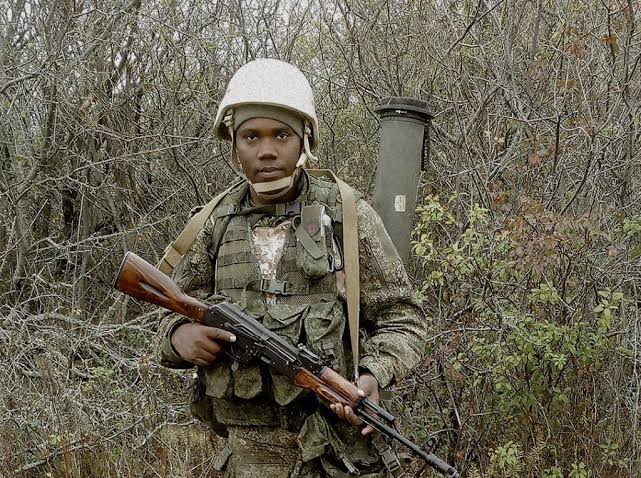
On the front lines, Ukrainian soldiers reported that Russian forces have started to resort to traditional means of communication.
“The enemy units in my region have switched to radio communication, making it easier to intercept their movements,” said a Ukrainian soldier, who asked not to be named for security reasons.
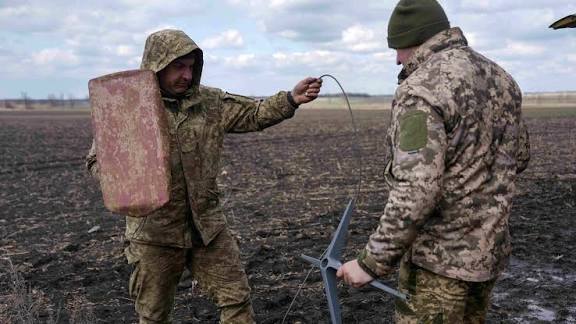
Others reported the quick installation of wired communication lines as Russian commanders looked for alternative means of communication.
“This has made the Russians’ work with drones more complicated, especially those that attack logistics centers and infrastructure that is far from the front line,” Artem, a soldier of the engineering unit of the Ukrainian army, said.
According to Ukrainian military analyst Serhii Kuzan, Russian operators had been controlling drones that attacked targets up to 250 kilometers away but now seemed to lack this capability.
Russian authorities have played down the effects.
Military analysts on Russian state television said that Starlink was only used by limited units and that its loss has not had a significant effect on their operations.
The Ukrainian soldiers also have mixed views on the effects. Some have noticed a reduction in coordinated attacks, while others say that artillery battles and drone attacks remain much the same.
It has been observed that both countries have continued to adjust to technological changes during the conflict.