Iran has indicated its readiness to reduce some aspects of its nuclear program in exchange for the removal of sanctions and recognition of its right to enrich uranium, a senior Iranian official said, as Iran and the US try to revive negotiations that have stalled in recent weeks due to rising tensions in the region and the threat of military action.
This is the first sign that Iran is ready to make concessions since the end of negotiations last week, as the two sides failed to make any visible progress.
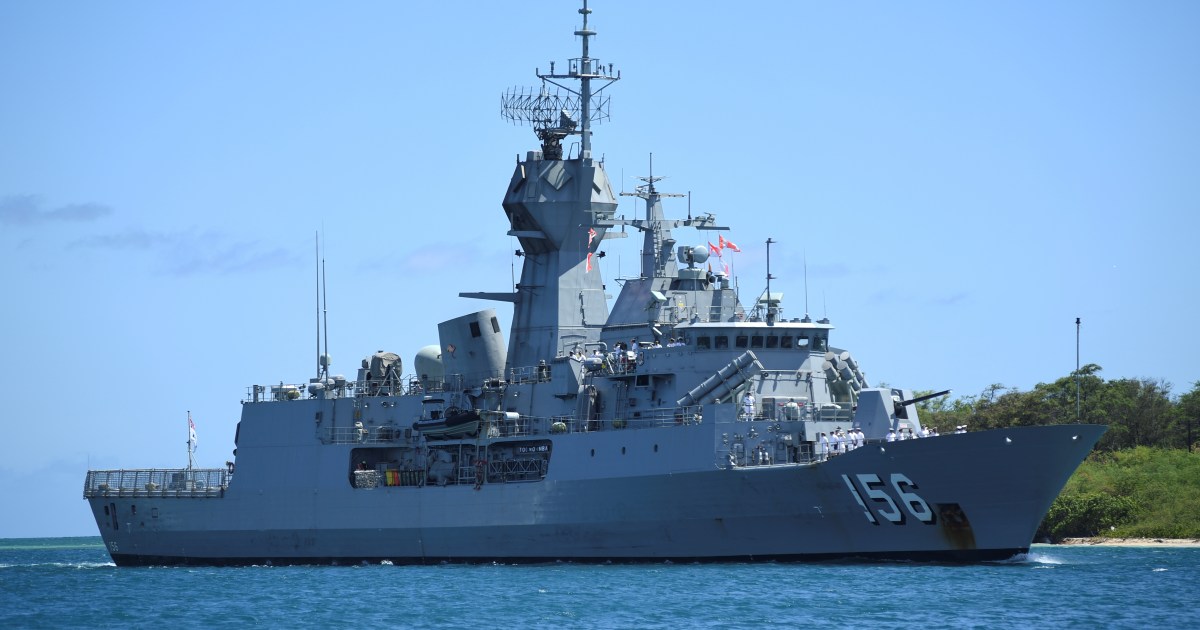
The development comes at a time when Iran is trying to avoid military action by the US, which has escalated its military presence in the region in the past few weeks.
Speaking on the condition of anonymity, the Iranian official stated that Iran would consider exporting about half of its supply of highly enriched uranium outside of the country, while the remaining uranium would be diluted under an interim agreement.
Iran is also willing to join a regional multinational uranium enrichment program, which has been proposed several times in previous nuclear talks but has never been put into practice before.
Iranian officials are demanding that the U.S. lift its economic sanctions and recognize Iran’s right to engage in peaceful uranium enrichment in return for their concessions.
Read Also: Iran FM Holds Technical Talks With IAEA Chief Amid US Deal
Iranian officials believe that uranium enrichment for peaceful purposes is allowed by international law, while the U.S. has always maintained that uranium enrichment in Iran could lead to the development of nuclear weapons, although Iran denies this claim.
The White House did not immediately respond to a request for comment on the proposed plans.
Talks resumed this month after months of stalled diplomacy and rising tensions in the wake of military exchanges between Israel and Iranian-backed militias across the region.
U.S. officials have said that all options remain on the table if diplomacy fails, while Iranian leaders have threatened to retaliate against American bases in the Middle East in the event of an attack.
According to the Iranian official, there have been major differences in the recent talks, especially on the issue of when sanctions will be removed.
Iran wants a clear timeline based on mutual actions, while the U.S. has proposed a gradual process based on confirmed nuclear program restrictions
The latest round of negotiations has revealed that U.S. proposals on the extent and process of lifting sanctions are not aligned with Iranian demands,” the official added, stating that a “logical timetable” based on common interests must be agreed upon.
Nevertheless, the official confirmed that the chance for an interim agreement was still on the table.
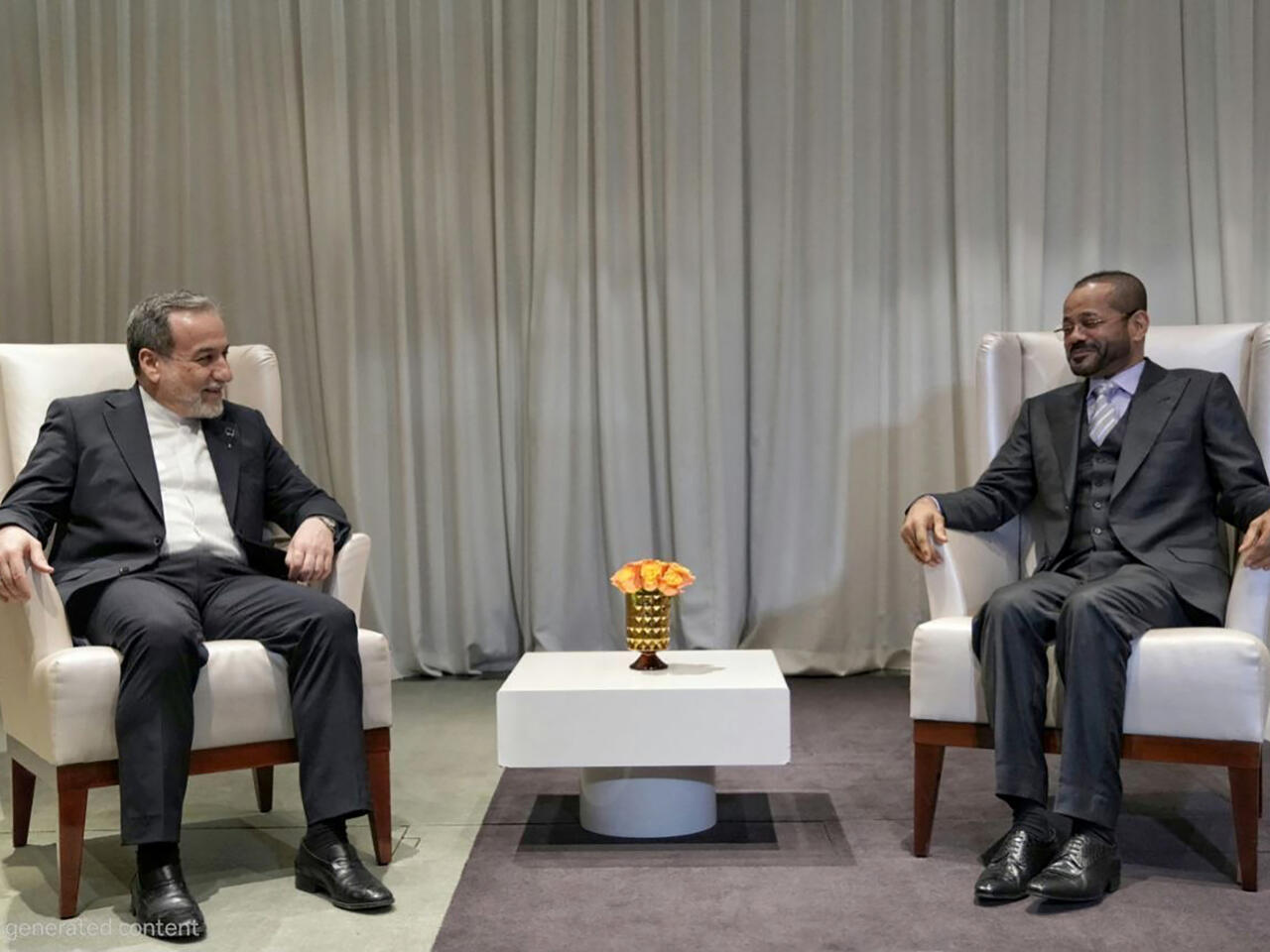
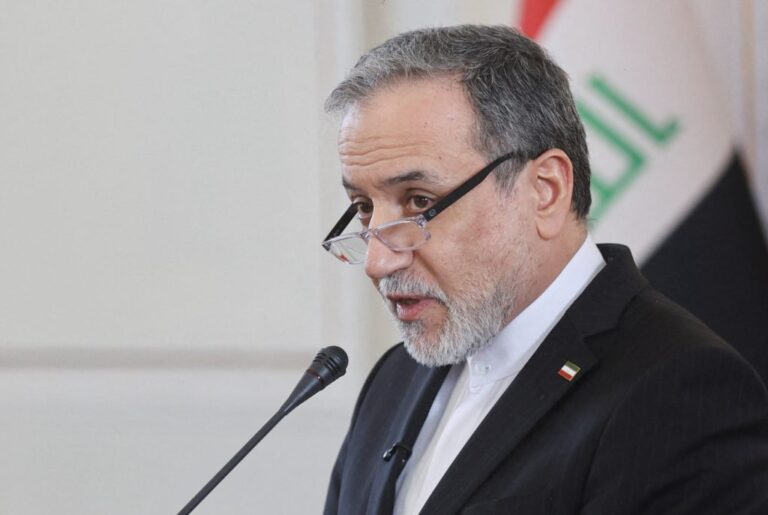
Iranian Foreign Minister Abbas Araqchi announced on Sunday that he looks forward to a meeting with U.S. President Donald Trump’s special envoy, Steve Witkoff, in Geneva later this week.
Araqchi expressed that there was still “a good chance” for a successful diplomatic effort and that Iran would soon submit a formal counter-proposal.
Read Also: Trump Signals Indirect Role in Iran Nuclear Talks
U.S. President Donald Trump has already stated publicly that he is considering limited military action against Iranian targets in case negotiations fail.
This reflects the sense of urgency that pervades the negotiations. As Reuters has reported earlier, citing officials and diplomats in Europe and Gulf states, both parties seemed to be drifting closer to a confrontation as the prospects for a negotiated agreement faded.
Witkoff, in a television interview on Sunday, expressed his surprise at Iran’s failure to accept U.S. demands to limit its nuclear program despite mounting pressure.
“Why, under this pressure, with the amount of seapower and naval power over there, why haven’t they come to us and said, ‘We profess we don’t want a weapon, so here’s what we’re prepared to do’?” he asked on Fox News.
At the heart of the standoff is Iran’s uranium enrichment program. The U.S. has been insisting on “zero enrichment,” which Iran has consistently refused as inconsistent with its sovereignty and scientific development. U.S. negotiators have also insisted that Iran give up its highly enriched uranium stockpile.
Ali Larijani, an Iranian supreme leader adviser, stated that Iran would be ready to accept extensive monitoring by the U.N. nuclear agency to prove that its program is peaceful.
The agency has been trying for months to gain access to several nuclear facilities that were bombed during U.S. military strikes last year after a brief Israeli bombing campaign.
Iranian authorities have stated that enrichment operations at these facilities have ceased, although inspectors have called for further verification.
But aside from nuclear matters, the United States has also called on Iran to agree to restrictions on its long-range ballistic missile program and to stop its support for regional militant groups loyal to Tehran.
Iranian officials have already refused to discuss any matters related to its missile programs but according to Reuters, citing sources close to the negotiations, support for regional proxies may not be completely off the table in wider diplomatic talks.