The United States is preparing a sweeping new import tariff after the Supreme Court curtailed the legal basis for some trade penalties imposed during Donald Trump’s presidency, signaling that Washington’s reliance on tariffs as an economic policy tool is set to continue despite the judicial setback.
In a 6–3 decision on Feb. 20, the U.S. Supreme Court ruled that many tariffs introduced under the International Emergency Economic Powers Act of 1977 were unlawful, finding the emergency statute could not be used to impose certain import duties.
The judgment removes the legal foundation for a large portion of the emergency tariffs collected in recent years.
The ruling did not affect tariffs imposed through other authorities. Duties on steel, aluminum, copper, vehicles and auto parts remain in place because they were enacted under national security and trade enforcement statutes rather than emergency powers.
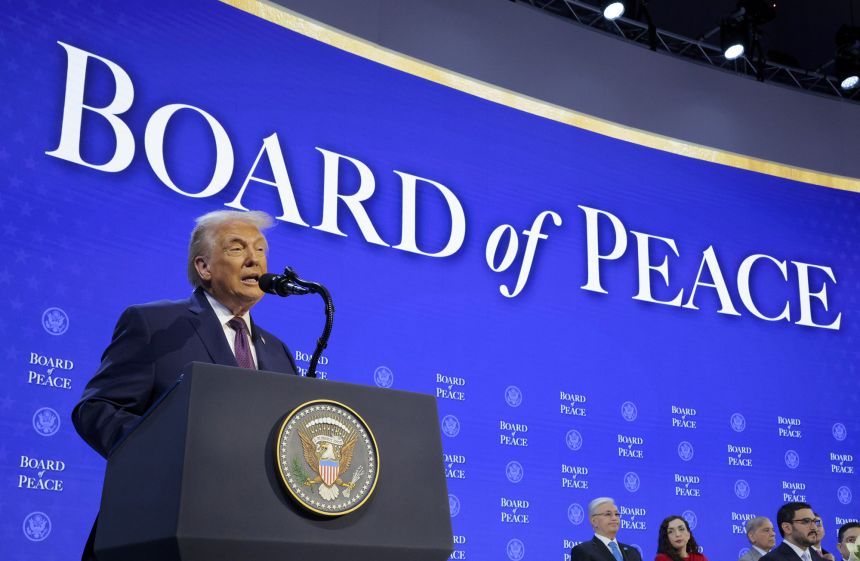
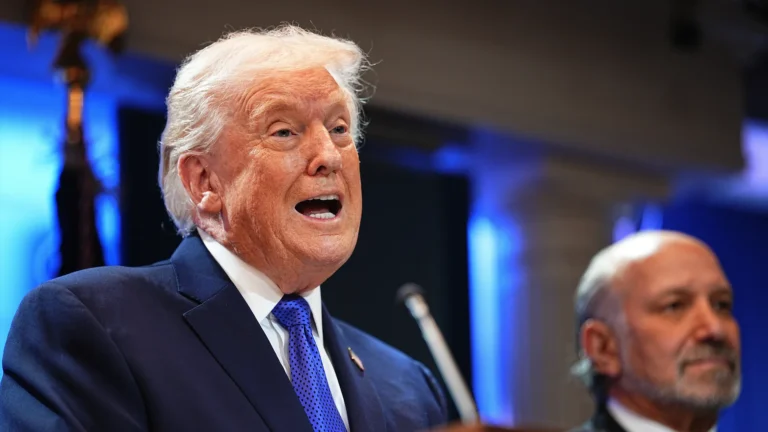
Speaking after the decision, Trump indicated the broader trade program would continue through alternative legal channels.
He said the court’s decision narrowed one method but left others available to the executive branch, and he emphasized that national security tariffs and trade enforcement duties would remain active.
“Therefore, effective immediately, all national security tariffs under Section 232 and existing Section 301 Tariffs remain fully in place and in full force and effect,” he said. “Today, I will sign an order to impose a 10% global tariff under Section 122 — over and above our normal tariffs already being charged. We’re also initiating several Section 301 and other investigations to protect our country from unfair trading practices of other countries and companies.”
Read also: IMF: Venezuela Economy, Humanitarian State ‘Quite Fragile’
Officials said the new levy will operate as a temporary, across-the-board duty applied to imports from all trading partners and is expected to last 150 days. The measure would be layered on top of existing tariffs already applied to specific industries and countries.
The administration’s approach effectively shifts from emergency economic powers, which the court rejected, to more traditional trade authorities. Section 122 of the Trade Act of 1974 allows the government to impose short-term tariffs while longer trade measures are evaluated, and Sections 232 and 301 have historically been used to address national security concerns and unfair trade practices.
The court ruling also raises the prospect of major financial consequences. Businesses that paid the invalidated tariffs may be entitled to refunds, with estimates suggesting repayments could reach as much as $170 billion, more than half the revenue collected under the emergency tariff program. Federal agencies have not yet clarified how any reimbursement process would be handled.
Trump argued the decision would not undermine his broader strategy, maintaining that tariffs remain central to strengthening domestic industry and encouraging companies to invest within the United States.
He suggested the administration would pursue other legal mechanisms if necessary to maintain trade protections.
Trade policy analysts note the ruling could significantly reduce the U.S. average effective tariff rate if the emergency tariffs are permanently removed.
However, the proposed universal import levy and continuation of other duties indicate the overall direction of U.S. trade policy may remain restrictive.
The implications extend well beyond American borders. A global tariff increases costs for U.S. importers and consumers but also affects exporters worldwide. Manufacturers in Asia, commodity producers in Africa and Latin America, and suppliers across Europe could face reduced competitiveness in the U.S. market.
Read more: Supreme Court Strikes Down Trump Tariffs On China Summit Day
Earlier rounds of tariffs during Trump’s presidency triggered retaliatory duties from China and the European Union, particularly targeting American agricultural exports and industrial goods. Economists say similar countermeasures remain possible depending on the scope and implementation of the new tariff.
Legal challenges are also likely. Companies affected by the measures have historically filed cases before the U.S. Court of International Trade, and the scale of the new duties could invite further litigation.
The administration appears to be adjusting its legal strategy rather than retreating from tariffs. The Supreme Court restricted the use of emergency authority, but the policy objective remains unchanged, with officials preparing new enforcement investigations and trade actions under existing statutes. Federal agencies are expected to release implementation guidance once the executive order is signed.