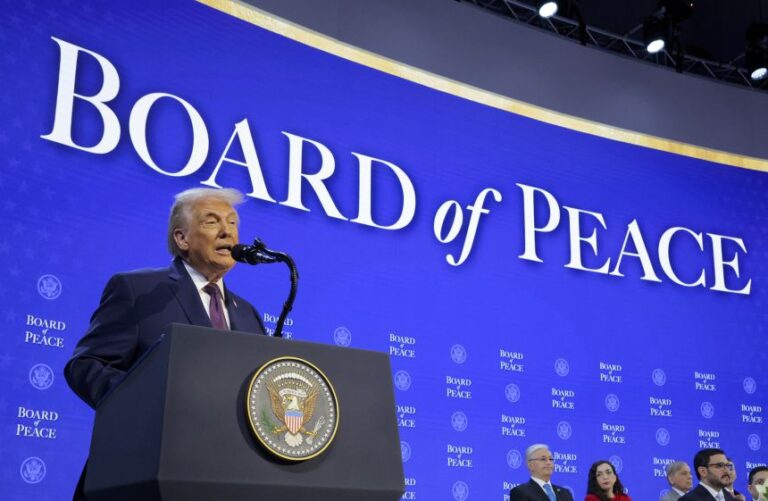
President Donald Trump convened the inaugural session of his Board of Peace in Washington on Thursday, gathering representatives from 47 nations and the European Union to announce $17 billion in pledged contributions toward Gaza’s reconstruction, a headline figure that nonetheless arrived alongside frank admissions from officials inside the meeting that the hardest and most consequential questions about Gaza’s future remain unanswered.
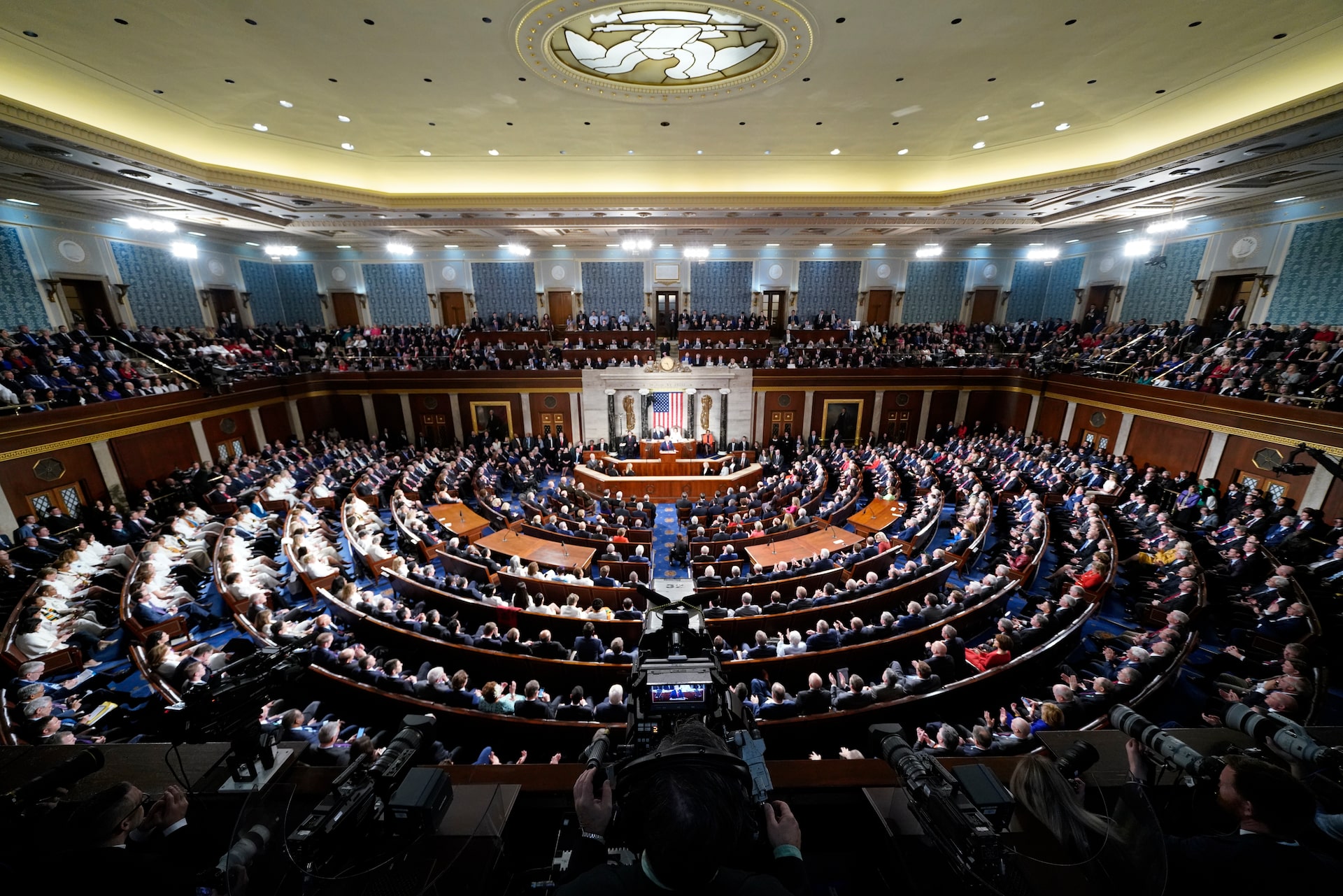
The session was held at the newly renamed Donald J. Trump United States Institute of Peace, a building the president recently rechristened in his own name. He chaired the meeting himself, surrounded by foreign ministers, heads of state, and senior administration figures including Secretary of State Marco Rubio, envoys Steve Witkoff and Jared Kushner, and former British Prime Minister Tony Blair, who is expected to take a senior advisory role within the board’s structure. The atmosphere, by multiple accounts from those present, periodically resembled a campaign event. Music from Trump’s personal playlist, ranging from Elvis Presley to the Beach Boys, played as participants arrived. Red Trump-branded hats were distributed to attendees.
Trump announced that member states had collectively pledged $7 billion for Gaza reconstruction, with the United States committing an additional $10 billion of its own, bringing the combined figure to $17 billion.
The Gulf states of the United Arab Emirates and Kuwait each contributed $1.2 billion toward the fund, according to a U.S. official.
Trump described the total as a down payment on what independent analysts and international institutions estimate will need to be a far larger sum.
The United Nations, the World Bank, and the European Union have jointly estimated that rebuilding Gaza will cost approximately $70 billion. Trump also said FIFA would raise $75 million for football-related projects in Gaza, and that the UN had pledged $2 billion for humanitarian assistance.
Table of Contents
ToggleRead Also: Vietnam Leader To Attend Trump’s Board Of Peace Event
The pledges were not universally translated into certainty. Analysts cautioned publicly that announced commitments do not always materialise, and that many nations indicated their funds remained contingent on tangible progress on the question that has paralysed implementation of the peace framework since its inception: the disarmament of Hamas.
The Board of Peace was established through UN Security Council Resolution 2803 in November 2025, which endorsed the second phase of Trump’s 20-point Comprehensive Plan for Gaza, a framework that secured an October 2025 ceasefire between Israel and Hamas and brought about the release of all remaining hostages. Phase two calls for Hamas to decommission its weapons, for Israeli forces to progressively withdraw and hand over security responsibilities, and for an international stabilization force to deploy alongside a Palestinian technocratic governing committee. None of those three pillars has yet been realised.
Hamas holds thousands of rockets, anti-tank missiles, and tens of thousands of assault rifles. Some ideas under discussion include Hamas “freezing” its arms in sealed depots under external supervision, or surrendering heavy weapons while retaining small arms for a policing role.
Neither Israel nor the United States had indicated willingness to accept such compromises as of Thursday. Israeli Prime Minister Benjamin Netanyahu, speaking from Jerusalem, framed the choice in blunt terms: Hamas would face “a dilemma, to disarm peacefully or be disarmed forcefully.” He said the window for a voluntary resolution was closing rapidly.
Hamas’s own response was measured but non-committal. Spokesperson Hazem Qassem said the group was prepared to discuss disarmament in principle, but insisted any international stabilization force must focus on monitoring the ceasefire and preventing ongoing Israeli military action, not on coercive disarmament.
Both Hamas and Palestinian Islamic Jihad have stated explicitly that any party attempting to forcibly disarm them would forfeit its status as a neutral actor and become a belligerent. The conditions each side has attached to the process are, at present, incompatible.
The stabilization force itself is not expected to deploy for weeks or months, with a senior board official describing its readiness as one of several urgent unresolved matters.
Indonesia has committed thousands of troops to the prospective mission, expected to be ready by the end of June. Italy’s foreign minister said Rome was prepared to help train a future Gaza police force. But no firm, finalised troop commitment has been secured from any additional country, and the force’s rules of engagement, command structure, and relationship to Israeli military operations inside Gaza remain undefined.
Read Also: White House Sets First Board Of Peace Meeting
A board member who spoke on condition of anonymity said the flow of humanitarian aid into Gaza was “disastrous” and in urgent need of a scale-up, adding that even if aid volumes increased substantially, it was still unclear who would be responsible for distributing it.
The Palestinian technocratic governing committee, led by Ali Shaath and appointed under Trump’s framework to administer the territory, has not yet entered Gaza, operating instead from Egypt while its mandate and Hamas’s formal cession of administrative authority remain unresolved. The committee cannot function unless Hamas hands over power and ceasefire violations cease, according to High Representative for Gaza Nickolay Mladenov.
The Board excludes Palestinian representatives entirely, a structural decision that has generated sustained criticism from rights organisations and several governments, including those that opted not to join.
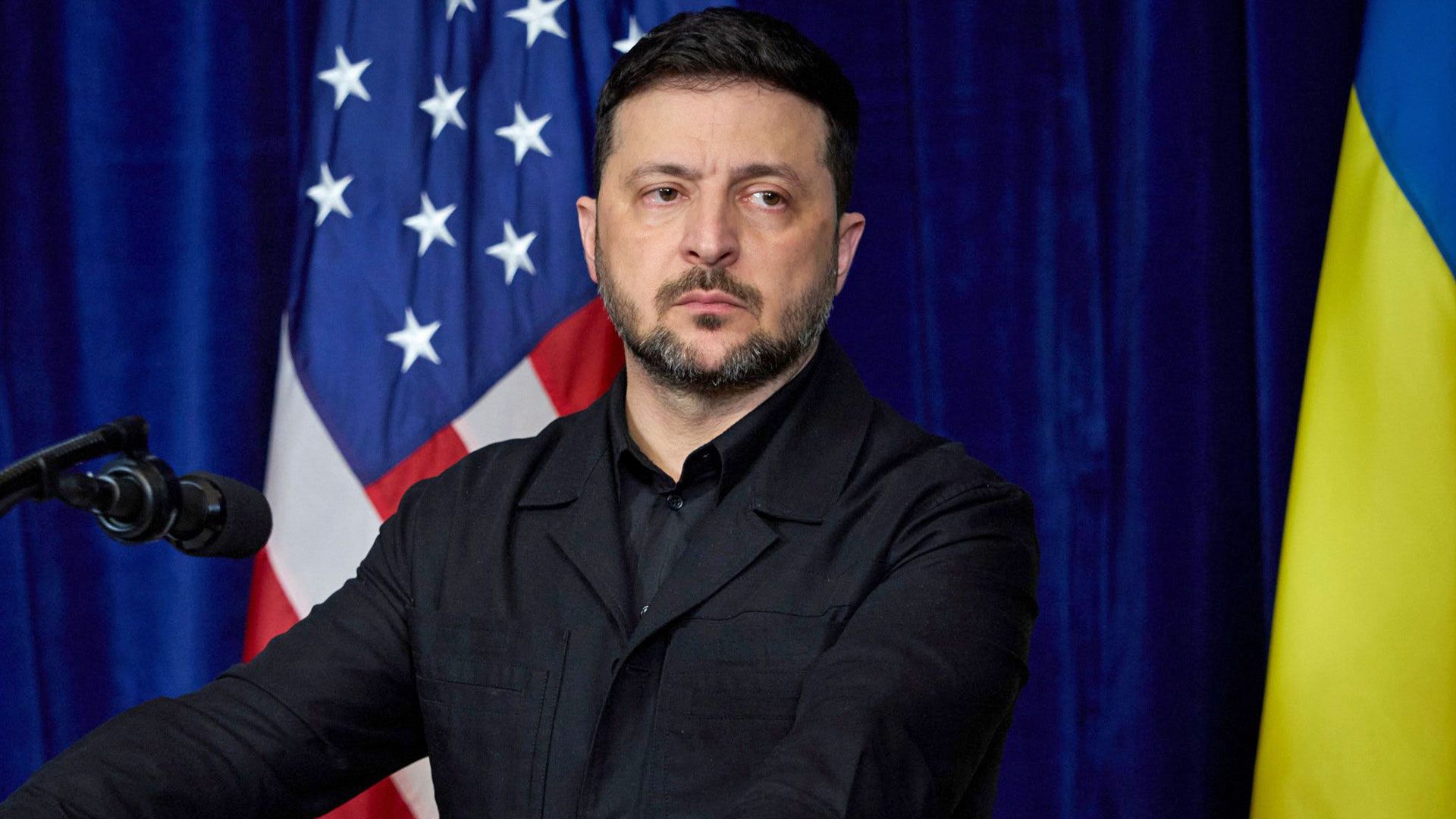
Notable absentees from Thursday’s meeting included France, the United Kingdom, Germany, Russia, China, and European Commission President Ursula von der Leyen. France, Germany, Greece, Italy, Norway, Slovenia, Sweden, and Ukraine formally declined Trump’s invitation to join the board. Several attended Thursday as observers rather than members. Canada was excluded altogether after Prime Minister Mark Carney delivered a speech at the World Economic Forum criticising the direction of U.S. foreign policy.
Trump moved to address anxieties about the Board’s expanding mandate and its potential to sideline the United Nations. “Someday I won’t be here, the United Nations will be, I think it’s going to be much stronger,” he said. “The Board of Peace is going to almost be looking over the United Nations and making sure it runs properly.” He added that the U.S. would help the UN financially and ensure it remained “viable.” The framing did not appear to fully satisfy those who had raised the concern. A UN Security Council session on Gaza had been moved up by one day specifically to allow diplomats to attend both events without conflict.
The meeting also came as Trump issued a fresh warning regarding Iran, telling reporters he expected to know within ten days whether a meaningful nuclear deal was achievable. Countries attending the board’s first session discussed the Iran situation on the sidelines, with participants broadly reiterating that military action in the region should be avoided, given its potential impact on global oil supply and international shipping lanes.
The board’s next formal session has not been scheduled. Trump said he hoped Hamas would disarm without the use of force but did not rule out coercive measures. A 60-day Israeli ultimatum to Hamas, demanding full disarmament or a resumption of full military operations, remained in effect as the meeting concluded.