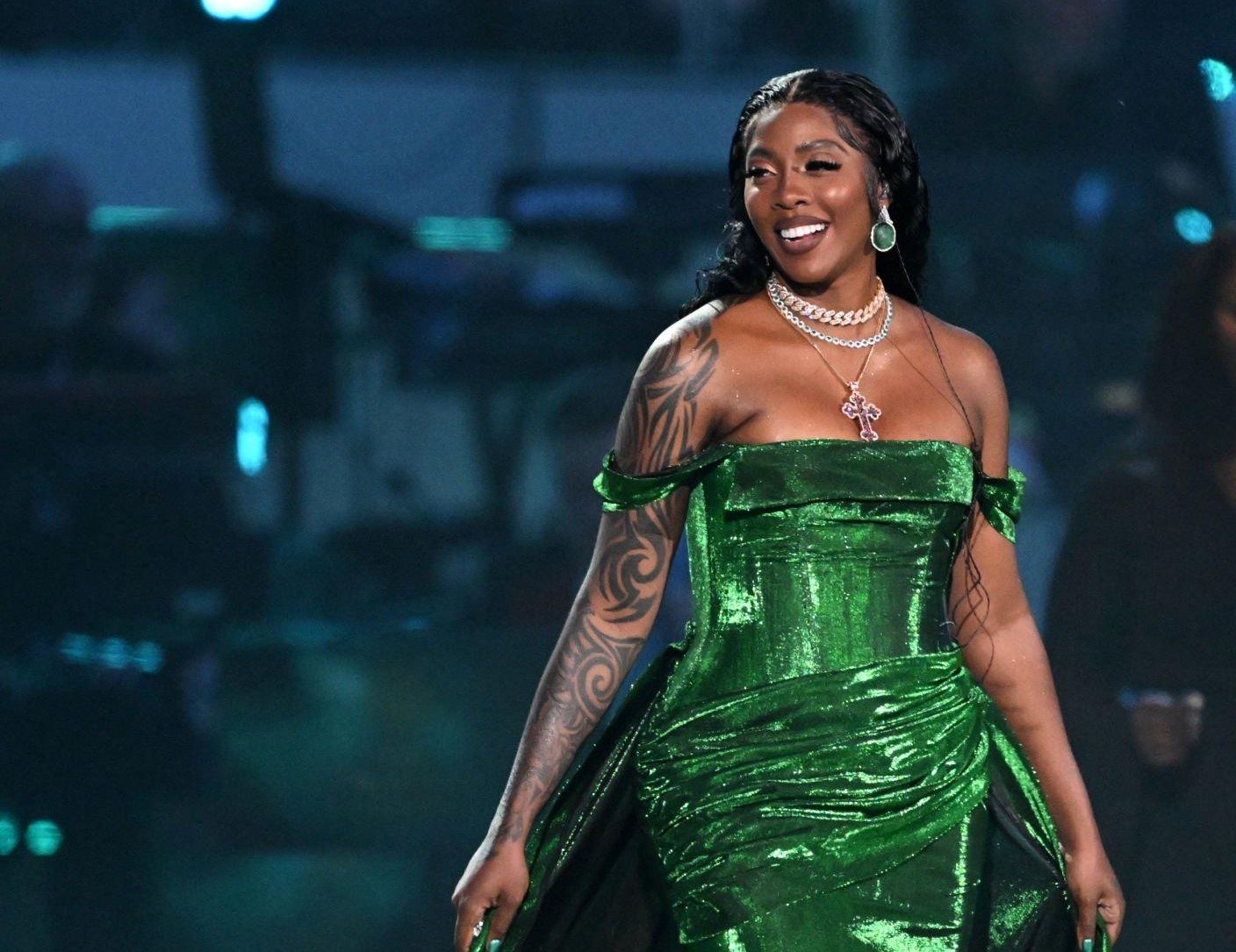

Nigerian singer Davido is currently involved in a legal dispute over custody arrangements concerning his daughter, Imade Adeleke, a matter that has drawn renewed public attention due to the artist’s prominence and the broader context of his personal life in recent years.
Court proceedings relating to custody are typically private and highly sensitive, particularly when they involve minors. In this case, filings and public statements indicate that the dispute centres on parental access and shared responsibility rather than a request for sole custody. Reports widely circulated in Nigerian media state that Davido is seeking a 50/50 co-parenting arrangement, which would allow him expanded time and involvement in his daughter’s upbringing.
Read Also: Peru Considers Ousting President Jeri After Four Months
The case unfolds against the backdrop of a profound personal tragedy for the singer. In October 2022, Davido’s three-year-old son, Ifeanyi Adeleke, died in a drowning accident at the family’s residence in Lagos. The incident generated widespread public mourning and sympathy across Nigeria and internationally. Authorities confirmed at the time that an investigation was conducted into the circumstances surrounding the accident. The loss marked one of the most painful moments in the artist’s life and led to a prolonged period away from the public spotlight.
Since returning to music and public engagements, Davido has continued to speak about fatherhood and personal growth, describing family as central to his priorities. While he remains one of Africa’s most commercially successful artists, much of the recent public discussion surrounding him has focused not on his career but on family matters and legal proceedings.
Custody disputes, especially involving high-profile individuals, often attract significant social media commentary. However, verified court documents and credible reporting indicate that the current proceedings are primarily concerned with structured parenting time and shared decision-making responsibilities. Legal experts note that joint custody arrangements are common in many jurisdictions and are generally designed to ensure that both parents remain actively involved in a child’s life, provided the court determines that such arrangements serve the child’s best interests.
Family law typically prioritises the welfare and stability of the child above all other considerations. Judges weigh multiple factors when determining custody or shared parenting agreements, including each parent’s ability to provide a safe and supportive environment, the existing relationship between parent and child, and practical considerations such as schooling and living arrangements. Emotional history, public profile or online commentary do not automatically determine legal outcomes.
The earlier death of Ifeanyi remains a matter of public record, but legal professionals emphasise that each custody case is assessed independently. The presence of past tragedy does not, by itself, dictate future parental rights. Courts require evidence and legal arguments grounded in current circumstances rather than speculation or public opinion.
Davido, born David Adeleke, has built a global career over the past decade, becoming one of the leading figures in Afrobeats and African pop music. Despite his international success, he has frequently spoken about balancing fame with family responsibilities. Those close to the proceedings indicate that the present legal matter is being handled through appropriate judicial channels rather than through public confrontation.
Observers note that the intense media spotlight surrounding celebrity cases can sometimes complicate otherwise routine legal disputes. Public narratives may amplify emotional aspects, but the formal process remains guided by statutes and evidentiary standards. In custody matters, hearings can involve mediation sessions, submission of affidavits, and, in some cases, negotiated settlements before final rulings are made.
Read Also: Male Menopause & Prostate: What Men Should Know—Part 7
So far, no final court judgment detailing the long-term custody arrangement has been publicly released. Legal representatives for the parties have not issued extensive public commentary beyond confirming that proceedings are ongoing. As is common in family law cases, confidentiality protections surrounding minors limit the amount of information that becomes publicly available.
The broader conversation sparked by the case reflects how closely audiences follow the personal lives of public figures. Yet family law specialists caution against drawing conclusions from partial information circulating online. Verified details confirm only that a custody matter is before the court and that shared parenting arrangements are under consideration.
As the process continues, the ultimate decision will rest on legal standards governing child welfare and parental responsibility. Regardless of public attention, custody determinations are grounded in what a court finds to be in the best interests of the child. Until a ruling is delivered or official statements are released, much of the detail surrounding the case remains confined to the courtroom rather than the public domain.