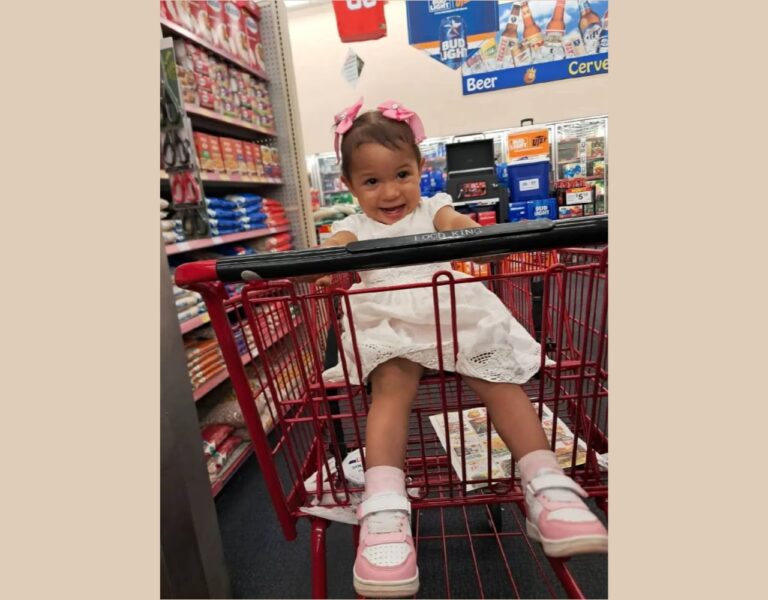
An 18-month-old girl identified as “Amalia” was returned to U.S. Immigration and Customs Enforcement (ICE) custody and denied critical medications following treatment for a life-threatening respiratory illness, according to a federal lawsuit filed this week in U.S. District Court in Texas. The complaint, which prompted the family’s release from detention, alleges serious lapses in medical care and conditions at the Dilley Immigration Processing Center, where the child and her parents were held.
Amalia’s case has drawn renewed attention to the treatment of migrant families under President Donald J. Trump’s immigration enforcement policies.
Attorneys for the family argue that detaining a medically fragile infant, and then returning her to custody without necessary medications, constituted an avoidable risk to her health.
According to the complaint, Amalia and her parents, Venezuelan nationals who have lived in the United States since 2024, were taken into custody on December 11, 2025, during a routine immigration check-in and held at the Dilley facility in South Texas. Amalia, who is a Mexican citizen, initially was reported to be in generally good health upon detention. By early January, however, her health deteriorated rapidly. The lawsuit states she developed a high fever, reaching 104 degrees Fahrenheit, frequent vomiting, inability to breathe easily, and other acute symptoms. Despite numerous requests by her parents to the detention center’s medical staff, the family says she received only basic fever medication before her oxygen levels plunged to dangerously low levels.
On January 18, with oxygen saturation at life-threatening levels, Amalia was transported to a children’s hospital in San Antonio, Texas, where doctors diagnosed her with COVID-19, respiratory syncytial virus, viral bronchitis, and pneumonia. She was placed on supplemental oxygen and treated for severe respiratory distress over the next 10 days.
Read Also: Minneapolis Protests Ignite After ICE Shooting
Despite clear medical instructions that Amalia required ongoing nebulizer treatments, respiratory medications, and nutritional support to regain strength, the lawsuit alleges these prescribed items were confiscated upon her return to the Dilley facility on January 28. Her parents then struggled to obtain the medication through the facility’s “pill line,” where detainees wait in long, outdoor queues each day, only to be repeatedly denied the medicines doctors had prescribed.
Elora Mukherjee, an attorney for the family and director of the Immigrants’ Rights Clinic at Columbia Law School, said in a court filing that Amalia’s detention was never appropriate given her medical needs. “Baby Amalia should never have been detained. She nearly died at Dilley,” Mukherjee said, highlighting both the severity of her illness and the alleged lapses in care at the detention center.
The lawsuit stated that dozens of families and children at the Dilley facility face insufficient access to clean drinking water, nutritious food, education services, and proper medical care. In addition to Amalia’s case, other legal challenges and media reports have described outbreaks of communicable diseases, including measles, among detainees, compounding worries about safety standards in long-term family detention.
Hours after attorneys filed an emergency habeas corpus petition challenging the continued confinement of the family, all three were released from ICE custody on Friday evening. The lawsuit sought their release on the grounds that Amalia’s medical condition made ongoing detention unlawful and potentially life-threatening. During her hospital stay, doctors also documented that the toddler lost approximately 10% of her body weight and needed supplemental nutrition to regain strength, another form of care the lawsuit alleges was withheld upon her return to the detention facility.
Read Also: Prof. Nze Seeks Review Of U.S. Visa Practices Affecting Scholars
The Department of Homeland Security (DHS) did not immediately respond to requests for comment on the lawsuit. Past DHS statements on family detention have stressed that detainees are provided “basic necessities” and that the agency works to ensure safety, including during medical emergencies, though such assertions have been disputed by advocates.
Amalia’s experience arrives when there is already heightened national scrutiny over immigration enforcement practices under the Trump administration. Previous court rulings have faulted U.S. immigration authorities for detaining children and families in ways that contravene federal protections. For example, a Michigan federal judge criticized the government’s handling of a separate case involving a 5-year-old boy detained in Minnesota, ordering his release and sharply rebuking the administration’s policies.
Advocates point to federal data showing a marked increase in family detention since late 2025, including the use of facilities like Dilley to detain parents and young children together. Independent investigations and media reports have noted multiple cases where children experienced prolonged detention, inadequate medical care, or both — raising questions about enforcement priorities and humanitarian obligations.
Amalia’s case shows the ongoing legal and policy debates over how and when families and young children should be detained by immigration authorities. As the lawsuit progresses, her attorneys may seek broader judicial oversight of detention conditions, particularly for vulnerable populations with acute health needs. Immigration policy experts and child welfare advocates are closely watching how courts balance enforcement interests with medical and humanitarian protections, especially in light of increasing legal challenges from families detained under current policies.
With their release secured, Amalia and her parents are reportedly preparing to move forward with an asylum application in the United States, potentially continuing their legal fight for residency while also addressing their daughter’s health issues.