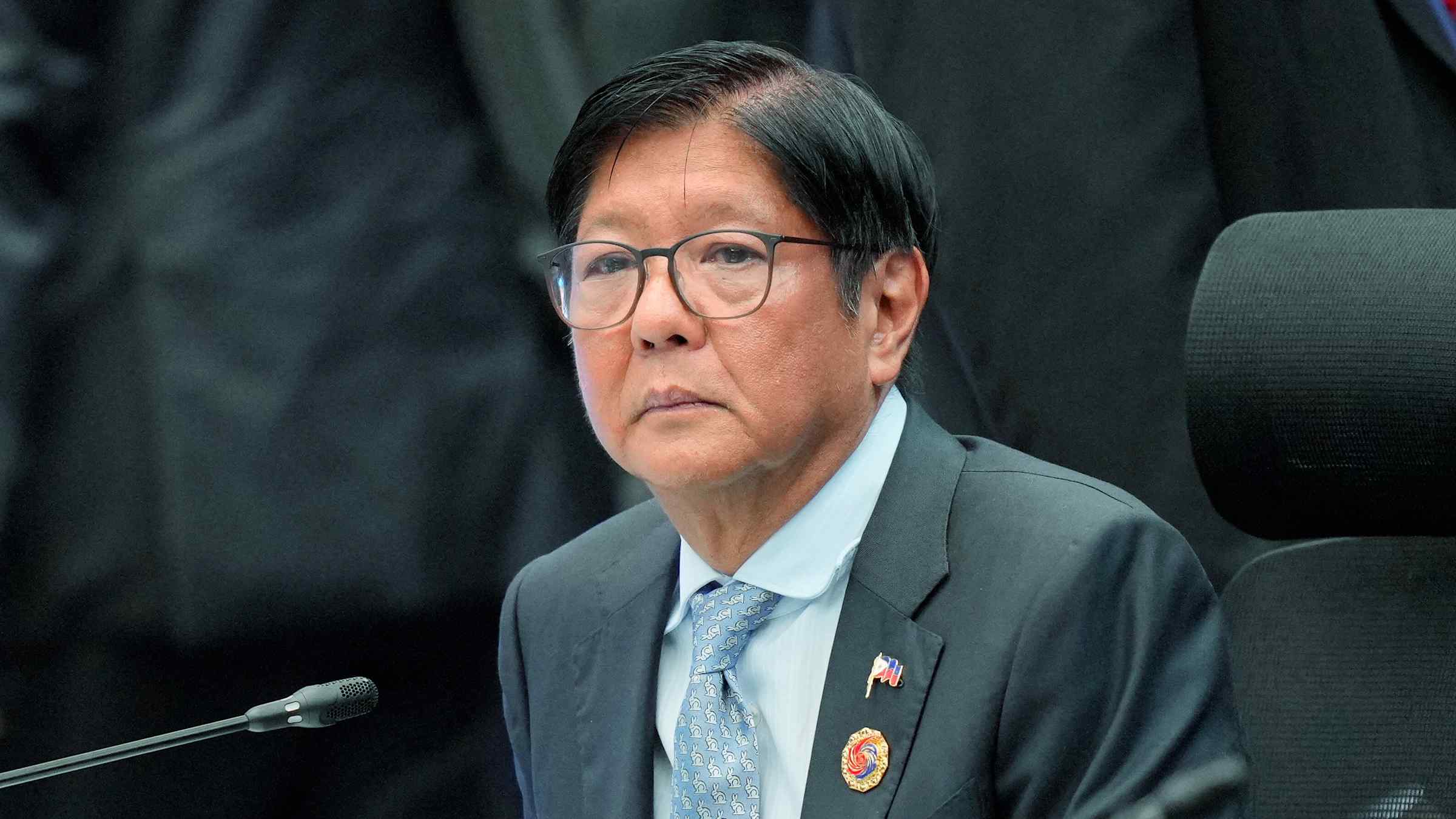
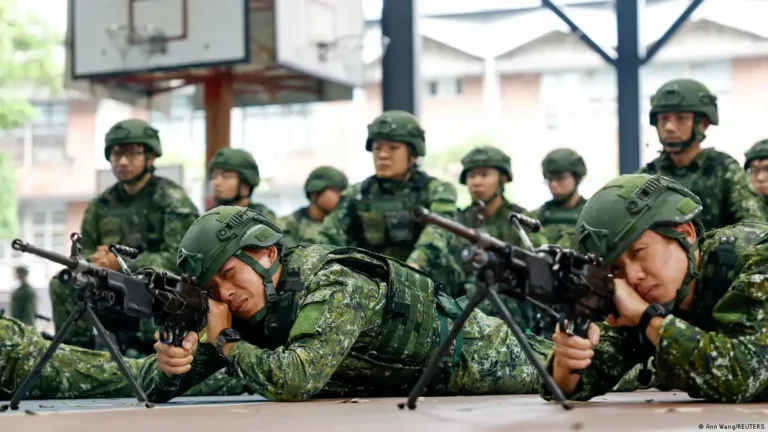
Taiwan President Lai Ching te warned on Wednesday that prolonged delays in approving a proposed forty billion dollar defense spending package could undermine international confidence in the island’s resolve to defend itself, as opposition lawmakers continue to block the plan in parliament.
The warning comes amid rising pressure from the United States, Taiwan’s most important security partner, as Washington watches closely how Taipei responds to growing military pressure from China.
Speaking at a meeting of his Democratic Progressive Party, Lai said continued obstruction of the additional defense budget risks slowing urgent upgrades to Taiwan’s military capabilities.
He said that delaying the plan could lead the international community to misread Taiwan’s determination to protect itself and preserve stability in the Indo Pacific region, according to remarks released by his party.
Read Also: Taiwan President Says Force Cannot Bring Peace
The proposed package includes funding for missiles, drones, and a new T Dome air defense system, all aimed at strengthening Taiwan’s ability to deter threats from China, which claims the self governed island as its own.
Concerns in Washington intensified this week after Taiwan’s opposition controlled parliament moved to scale back Lai’s defense proposal.
On Monday, U.S. Senator Roger Wicker, chair of the Senate Armed Services Committee, said on social media that he was disappointed by opposition efforts to cut the defense budget. Wicker is among the strongest congressional supporters of Taiwan.
Another senior U.S. lawmaker, Senator Dan Sullivan, directly criticized Taiwan’s largest opposition party, the Kuomintang, whose senior members are currently visiting Beijing.
“It doesn’t take a genius to figure out what’s going on here,” Sullivan wrote, adding that reducing Taiwan’s defense spending while engaging with China was “playing with fire.”
Read Also: Taiwan Offers Talks With Ukraine After Missile Parts Allegation
The Kuomintang has rejected claims that it is weakening Taiwan’s security, saying it supports stronger defenses but insists on thorough oversight of government spending.
In an English language statement, the party said it appreciated input from U.S. senators but would not approve what it described as blank checks.
“The KMT remains fully committed to safeguarding Taiwan’s security, strengthening our defense capabilities, and engaging constructively through dialogue to advance peace and stability across the Strait,” the statement said.
Opposition lawmakers have proposed funding selected U.S. weapons systems rather than approving the full defense package put forward by Lai’s administration.
Taiwan relies heavily on U.S. military support and arms sales, even though Washington does not maintain formal diplomatic relations with Taipei. U.S. officials have repeatedly urged Taiwan to accelerate defense reforms and increase spending as tensions with China intensify.
As the budget standoff continues, diplomats and analysts say the outcome will be closely watched by allies and adversaries alike, with implications that extend well beyond Taiwan’s domestic politics.