Senior officials from the United States and Iran are set to resume nuclear talks in Istanbul on Friday, as regional leaders warn that another military confrontation would further destabilize the Middle East.
The renewed diplomacy comes amid heightened tensions following a U.S. naval buildup near Iran and after weeks of unrest inside the country. Regional governments are pressing both sides to pursue negotiations to prevent escalation.
Speaking at a panel during the World Governments Summit in Dubai, Anwar Gargash, diplomatic adviser to UAE President Sheikh Mohamed bin Zayed Al Nahyan, said the region cannot afford another crisis between Washington and Tehran.
“I think that the region has gone through various calamitous confrontations,” Gargash said. “I don’t think we need another one.”
He added that sustained, direct negotiations between the United States and Iran were essential to prevent recurring flashpoints.
Read Also: Putin Raises Iran Concerns In Talks With UAE President
“I would like to see direct Iranian-American negotiations leading to understandings so that we don’t have these issues every other day,” Gargash said.
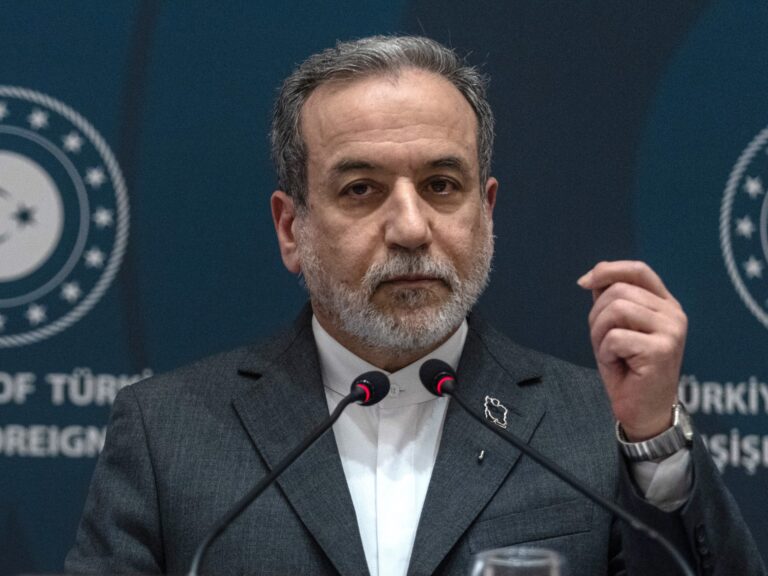
According to Reuters, U.S. Special Envoy Steve Witkoff and Iranian Foreign Minister Abbas Araqchi will meet in Istanbul in an effort to revive stalled diplomacy over Iran’s nuclear program. A regional diplomat said representatives from countries including Saudi Arabia and Egypt are also expected to participate.
The talks come as U.S. President Donald Trump warned that “bad things would probably happen” if negotiations failed, noting that large U.S. warships were moving toward Iran.
Tensions have intensified following a violent crackdown on anti-government protests in Iran last month, described by human rights groups as the deadliest domestic unrest since the country’s 1979 Islamic Revolution.
Read Also: Trump Iran Military Options Signal Major Policy Shift
Iranian President Masoud Pezeshkian said Tehran remains open to talks with Washington, provided negotiations are conducted without pressure.
“Talks with the U.S. should be pursued to secure national interests as long as threats and unreasonable expectations are avoided,” Pezeshkian wrote in a post on X on Tuesday.
He said the decision to resume engagement followed appeals from friendly regional states.
“Taking into account demands from friendly regional countries to respond to the U.S. president’s suggestion for talks, I instructed the foreign minister to prepare the ground for equitable and fair negotiations,” Pezeshkian said, adding that progress depends on an atmosphere “free of threats and unreasonable expectations.”
Iran and the United States have been locked in a prolonged dispute over Tehran’s nuclear ambitions since Washington withdrew from the 2015 nuclear accord in 2018. Efforts to restore or replace the deal have repeatedly stalled amid mutual mistrust and regional tensions.