Russia said on Tuesday it is prepared for a world without nuclear arms control limits as the New START treaty with the United States is set to expire this week, raising fresh concerns about strategic stability amid wider global tensions.
Unless Moscow and Washington reach a last-minute bilateral understanding, the landmark treaty—signed in 2010—will lapse on February 5, ending decades of formal restrictions on the world’s two largest nuclear arsenals.
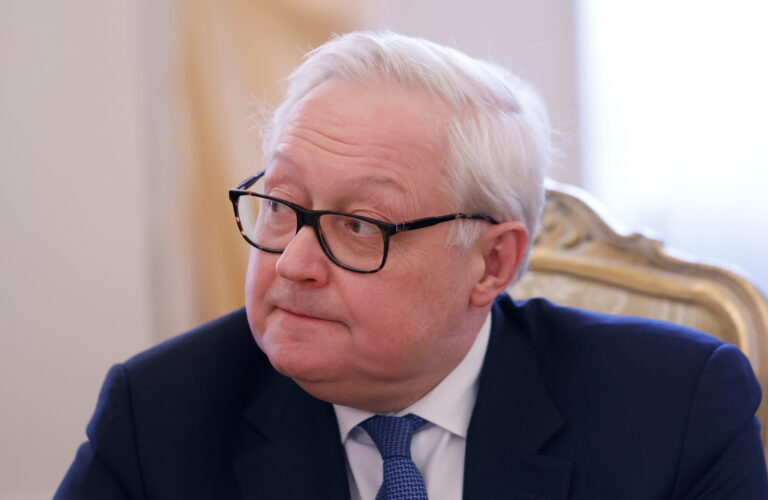
Speaking in Beijing, Russian Deputy Foreign Minister Sergei Ryabkov said Moscow had received no response to proposals aimed at extending or preserving elements of the agreement. “The lack of an answer is also an answer,” Ryabkov said, according to Russia’s state news agency TASS.
He added that Russia was ready for what he described as a “new reality” in which the United States and Russia operate without binding limits on deployed nuclear weapons for the first time since the Cold War.
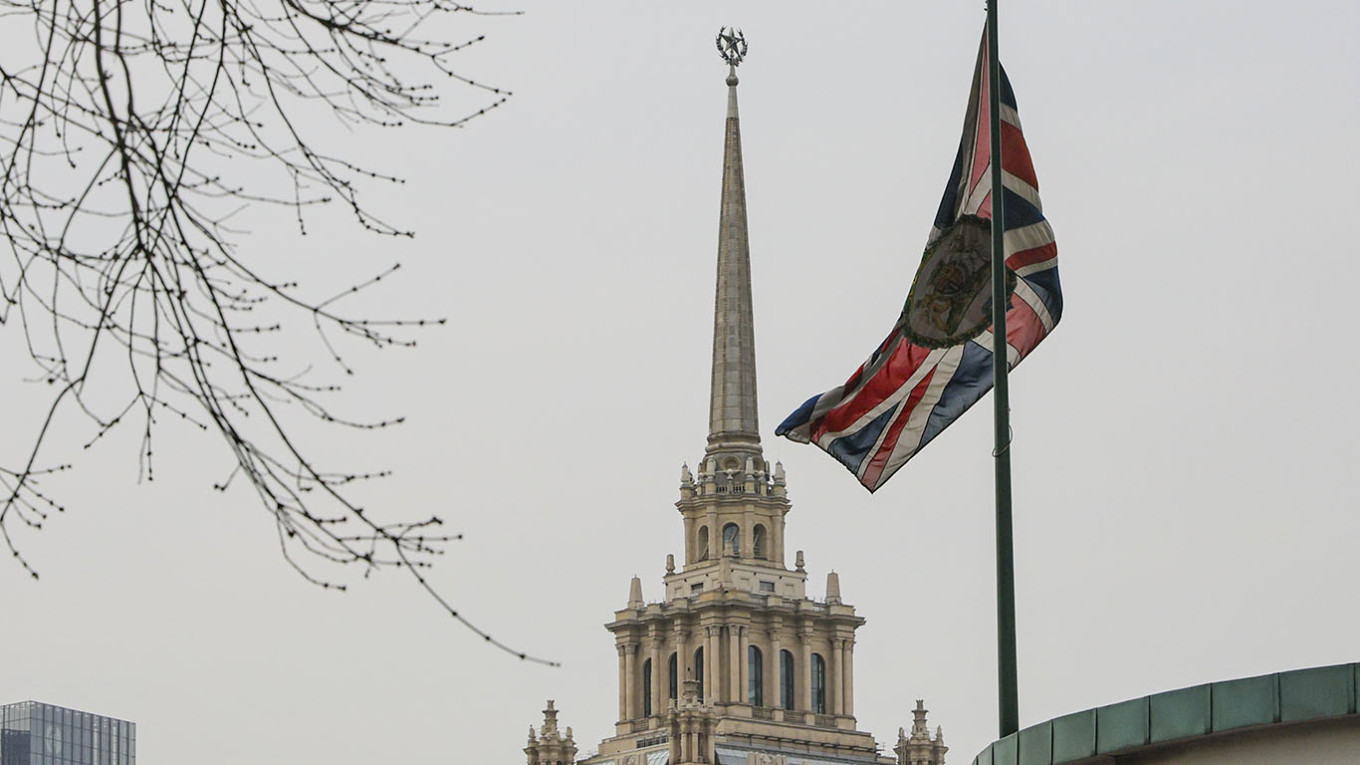
Read Also: UK Expels Russian Diplomat After Moscow Removes Brit
New START caps deployed strategic nuclear warheads at 1,550 each and limits delivery systems such as intercontinental ballistic missiles and heavy bombers. Its expiration would remove inspection and verification mechanisms that both sides have relied on for transparency.
Ryabkov said Russia supports China’s position on arms control, a reference to Beijing’s long-standing resistance to entering trilateral nuclear talks with Washington and Moscow.
He also warned that U.S. missile defense deployments could prompt a military response from Russia.
“If the United States pumps large quantities of missile defense systems into Greenland, Russia will be forced to take compensatory measures in the military sphere,” Ryabkov said.
The United States has argued that its missile defense systems are designed to counter limited threats from states such as North Korea and Iran, not to undermine Russia’s strategic deterrent.
Read Also: Russian Drone Attack On Odesa Kills 3, Energy Sites Hit
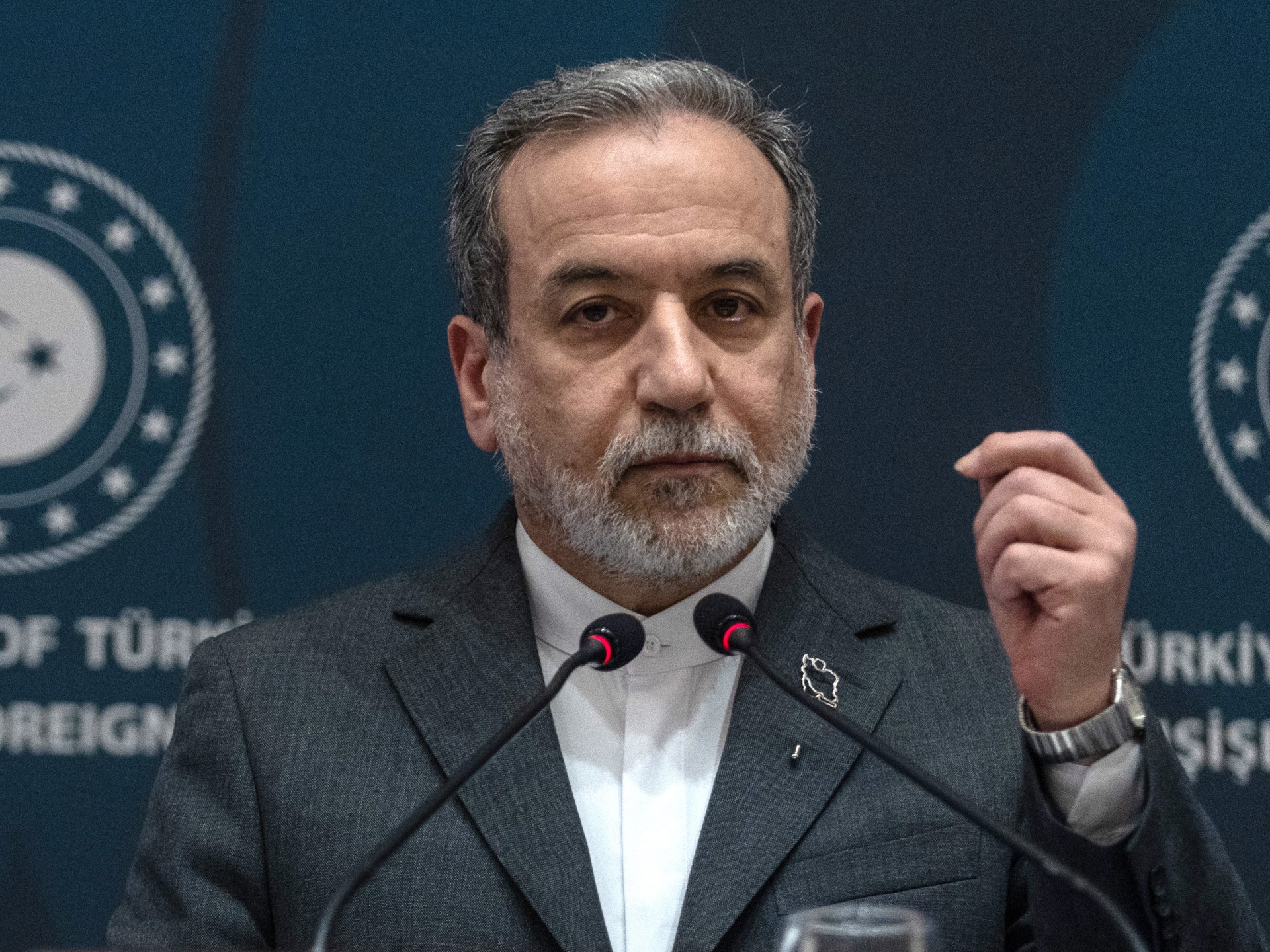
Ryabkov’s remarks came as the United States and Iran resumed nuclear negotiations in Istanbul, with regional officials urging restraint and diplomacy to avoid another confrontation in the Middle East.
On Iran, Ryabkov criticized Washington’s approach, saying U.S. proposals to Tehran amounted to ultimatums rather than genuine negotiations.
The parallel developments underscore growing strain across multiple diplomatic fronts, as arms control frameworks erode and geopolitical rivalries intensify.
New START was extended once in 2021 for five years, but talks on a successor agreement have stalled amid the war in Ukraine and deteriorating U.S.-Russia relations.