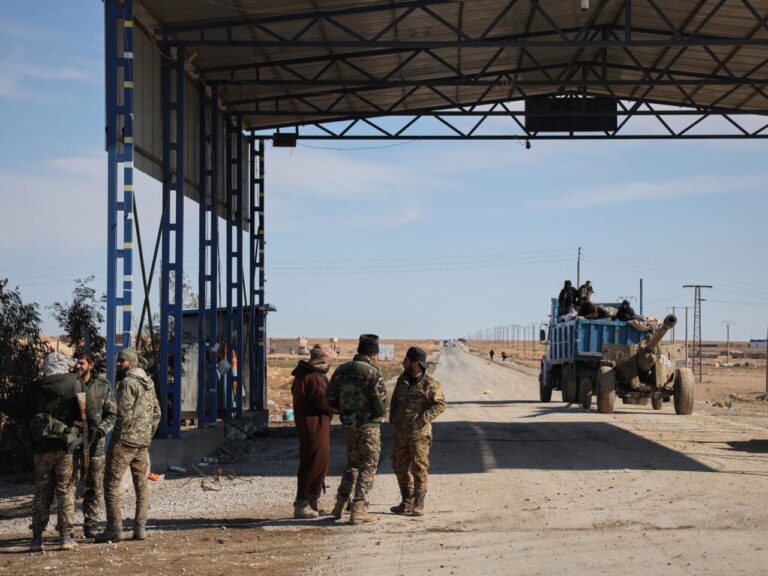
The Syrian government and the Kurdish led Syrian Democratic Forces announced a ceasefire agreement on Friday that sets out a phased plan to integrate Kurdish forces into the state, easing fears of a major battle in the country’s northeast.
The deal was confirmed after government troops under President Ahmed al Sharaa advanced rapidly this month across northern and eastern Syria, forcing SDF fighters to retreat into a smaller enclave. The agreement pauses the escalation and opens a path toward political and military reintegration after months of uncertainty.
The future of the SDF has been one of the most sensitive issues in Syria since Islamist fighters led by Sharaa overthrew longtime leader Bashar al Assad fourteen months ago. At its height, the SDF controlled more than a quarter of Syrian territory, backed by Western support during the fight against the Islamic State.
Under the terms of the agreement, forces massed along northern front lines will pull back, while Interior Ministry security units will deploy to the centers of Hasakah and Qamishli, two major northeastern cities previously under SDF control, according to official statements.
Read Also: Syrian President Al-sharaa Criticizes Israel Military Actions
The arrangement also calls for the creation of a new military division that will include three SDF brigades. A separate brigade will be formed from fighters in the town of Kobani, also known as Ain al Arab, and placed under the authority of the Aleppo governorate.
Civil institutions established by Kurdish led authorities in the northeast will be merged into Syrian state structures, a move aimed at restoring centralized governance after years of de facto autonomy.
United States envoy Tom Barrack, who played a key role in mediation efforts, described the agreement as “a profound and historic milestone in Syria’s journey toward national reconciliation, unity, and enduring stability,” according to comments reported by Reuters.
Read Also: German Charges Syrian Official Over Prison Torture
Damascus and the SDF had previously reached an integration deal in March last year, but little progress was made before a year end deadline expired. That failure paved the way for the latest government offensive, which sharply altered the balance of power on the ground.
Noah Bonsey, a senior adviser at the International Crisis Group, said the agreement could mark a turning point if fully implemented.
“It looks like both sides have succeeded in defining a middle ground that works for both of them on some incredibly difficult questions,” Bonsey said. He added that while the deal avoids a violent showdown, implementation would be complex and fraught with challenges.
In a statement, the SDF said the agreement “aims to unify Syrian territory and achieve full integration in the region by strengthening cooperation between the concerned parties and unifying efforts to rebuild the country.”