Australia’s main conservative alliance has fractured after a dispute over new hate speech laws, dealing a fresh blow to the opposition and casting uncertainty over the leadership of Liberal Party chief Sussan Ley.
The Liberal-National Coalition formally split on Thursday after the Nationals refused to support a joint shadow cabinet position on legislation introduced following last month’s deadly attack on a Jewish festival at Sydney’s Bondi Beach.
The rift centers on how the opposition should respond to government reforms aimed at curbing hate speech and religious extremism after the December 14 shooting that killed 15 people.
While both Coalition parties opposed tighter gun control measures, the Liberals broke ranks with their coalition partner earlier this week by siding with Prime Minister Anthony Albanese’s Labor government to pass the hate speech reforms in parliament.
The Nationals abstained in the lower house and voted against the legislation in the Senate, defying a shadow cabinet agreement and violating longstanding Coalition rules on unity.
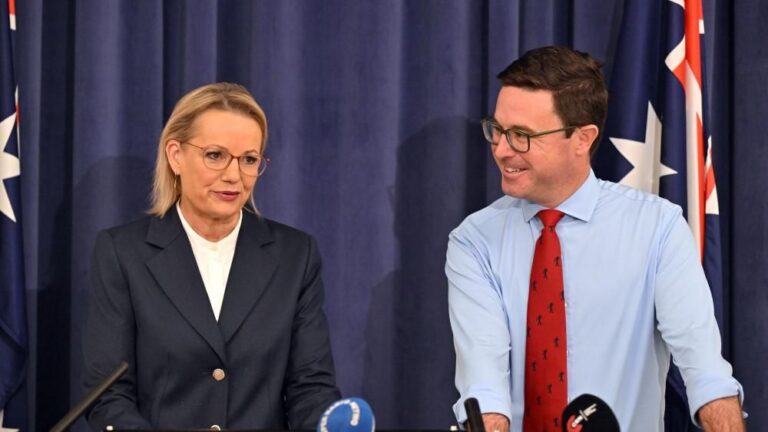
Nationals leader David Littleproud announced his party would no longer sit under Ley’s leadership, declaring the Coalition arrangement unworkable.
“Our party room has made it clear that we cannot be part of a shadow ministry under Sussan Ley,” Littleproud told reporters, adding that the Coalition “was made untenable.”
Although he did not rule out reuniting in the future, Littleproud suggested time apart could be constructive. “It’s probably a good thing,” he said, “if Australia’s two conservative parties spend some time apart.”
Ley, who became the Liberal Party’s first female leader following last year’s heavy election defeat, has not commented directly on the split.
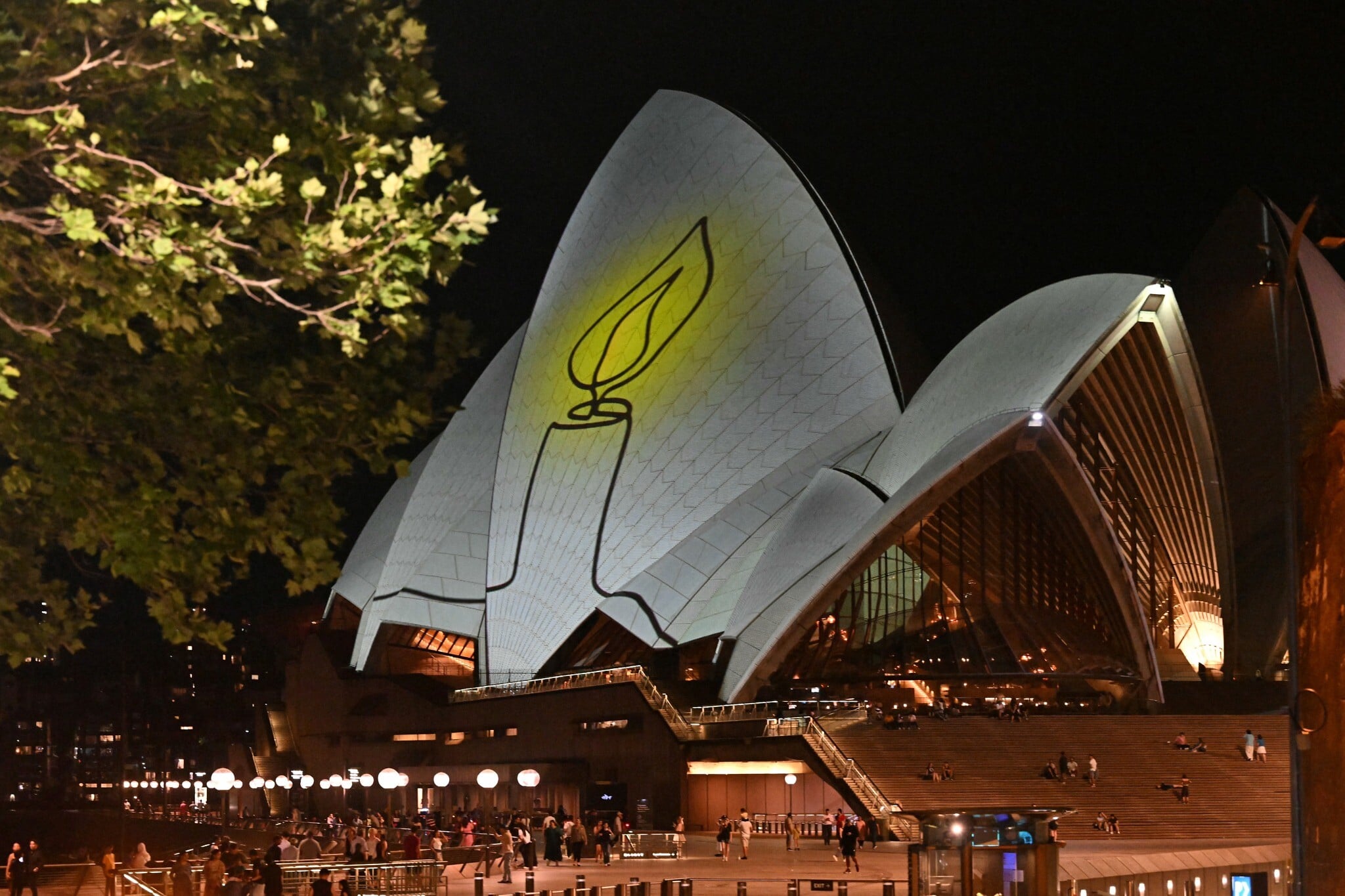
She issued a statement on Thursday marking the national day of mourning for victims of the Bondi Beach attack, saying her responsibility “as leader of the opposition and leader of the Liberal Party is to Australians in mourning.”
Read Also: Tourist Death In Australia Probed As Drowning Or Dingo Attack
Her leadership has already faced scrutiny, with analysts predicting internal challenges before the end of last year — speculation that has intensified following Thursday’s events.
The crisis escalated on Wednesday when three Nationals frontbenchers resigned in protest over Ley’s handling of the dispute.
“This process wasn’t all Sussan Ley’s fault,” Littleproud said. “Prime Minister Anthony Albanese put her in this position. But it has been mismanaged by Sussan Ley.”
The contested legislation includes provisions to ban organizations deemed to promote hate and imposes tougher penalties on religious and political figures who advocate violence.
Nationals lawmakers argued the laws were rushed and could threaten free speech, despite broad public support following the deadly attack.
Senior Nationals senator Bridget McKenzie criticized the timing of the split but defended her party’s stance.
“I think the timing’s appalling,” she told ABC Radio, “but the question is unfair,” when asked why leadership issues were being raised on a day of national mourning.
Former Liberal Prime Minister Malcolm Turnbull also weighed in, telling the ABC both party leaders had “mismanaged” the standoff and now faced an electoral credibility crisis.
“It looks like just a smoldering wreckage,” Turnbull said of the Coalition.
By contrast, former Prime Minister John Howard defended Ley’s actions, telling The Australian newspaper that she had “no choice” after the Nationals’ revolt and had “behaved absolutely correctly.”
With a federal election approaching in coming years, the breakup raises questions about whether the conservative parties can reunite in time to mount a serious challenge to Labor.