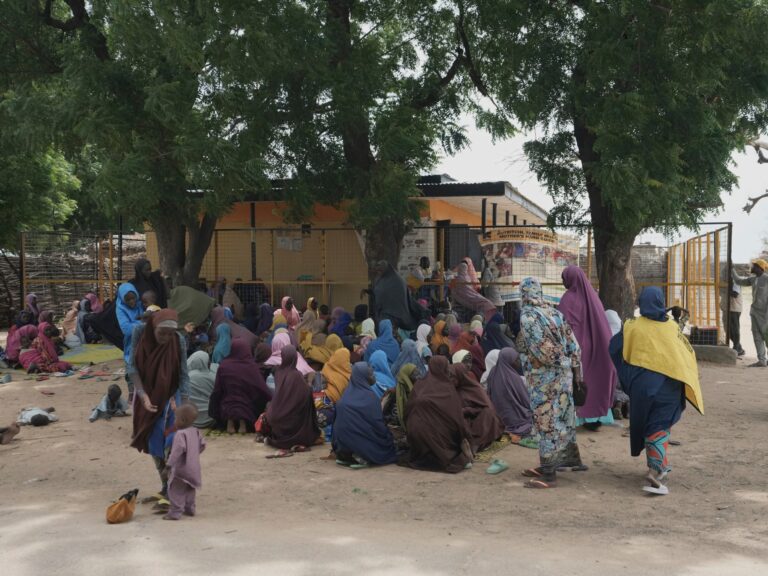
Thousands of people in northeastern Nigeria are facing the risk of extreme hunger for the first time in nearly a decade, as cuts to humanitarian funding worsen food shortages and malnutrition, the U.N. World Food Programme warned on Friday.
The agency said about 15,000 people in Borno state could soon face catastrophic food insecurity, a stark escalation in a region already weakened by years of insurgency and displacement.
The warning comes amid a broader food emergency across West and Central Africa. According to the World Food Programme, around 55 million people in the region are struggling to find enough food, with more than three quarters of those affected living in Nigeria, Chad, Cameroon, and Niger.
While conflict and economic pressures have long driven hunger, the agency said recent funding reductions are pushing vulnerable communities beyond their ability to cope.
“The reduced funding we saw in 2025 has deepened hunger and malnutrition across the region,” said Sarah Longford, the WFP’s deputy regional director for West and Central Africa, in a statement.
Humanitarian agencies have raised concerns since major donor countries began scaling back foreign aid budgets last year, including cuts linked to shifting domestic spending priorities in the United States and parts of Europe.
The WFP estimates that more than 13 million children across West and Central Africa are likely to suffer from malnutrition this year.
Read Also: King Charles III Honors Nigeria’s Wale Edun With Royal Award
In Nigeria alone, funding shortfalls forced the agency to scale back nutrition programs in 2025, affecting more than 300,000 children. The cuts followed earlier warnings that nearly 35 million people across the region could face hunger as resources dwindled late last year.
Elsewhere in the region, ongoing violence continues to disrupt food supplies and aid delivery.
In Mali, insecurity has cut off key supply routes, leaving about 1.5 million people facing crisis levels of hunger, according to the U.N. agency. In Cameroon, more than 500,000 people could lose access to humanitarian assistance in the coming weeks if funding gaps persist.
The World Food Programme said it urgently needs more than $453 million over the next six months to sustain food and nutrition assistance across West and Central Africa.