The United States and Venezuela have reached an agreement allowing up to $2 billion worth of Venezuelan crude oil to be exported to U.S. ports, President Donald Trump said Tuesday, marking a major shift in Washington’s sanctions strategy and potentially redirecting oil supplies away from China.
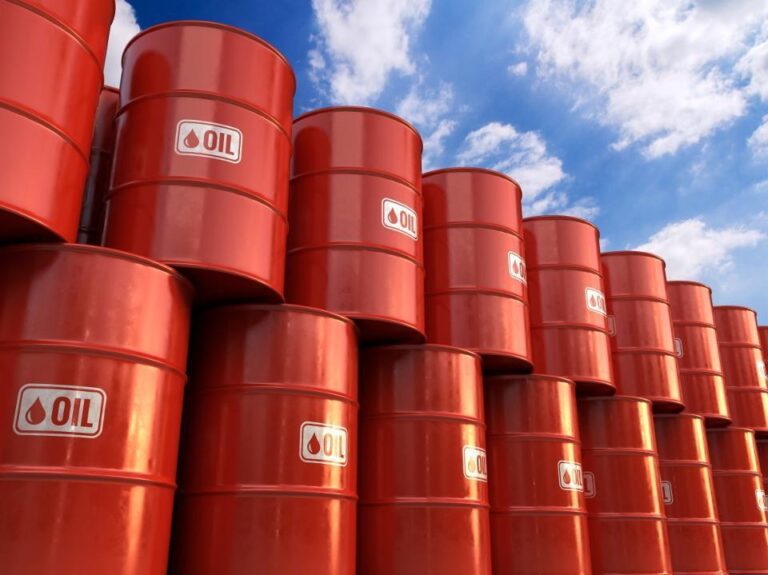
The deal would release millions of barrels of Venezuelan crude currently stranded on tankers and in storage, easing pressure on Venezuela’s oil sector while increasing heavy crude supplies for U.S. refiners along the Gulf Coast.
The agreement comes after weeks of intensified U.S. pressure on Caracas, including a mid-December blockade on Venezuelan oil exports. Trump said the new arrangement reflects progress toward opening Venezuela’s energy sector to U.S. companies, a demand he has repeatedly linked to avoiding further U.S. military action.
In a social media post, Trump said Venezuela would transfer between 30 million and 50 million barrels of oil that had been restricted under sanctions. He added that the crude would be sold at market prices, with proceeds overseen by the U.S. government.
“This oil will be sold at its market price, and that money will be controlled by me, as President of the United States of America,” Trump wrote, saying the funds would be used “to benefit the people of Venezuela and the United States.”
U.S. Energy Secretary Chris Wright has been tasked with implementing the agreement, according to Trump. The oil will be offloaded directly from tankers and shipped to U.S. ports.
At present, Chevron is the only company authorized to export Venezuelan crude to the United States under a special U.S. license. The company has been shipping 100,000 to 150,000 barrels per day, even as broader sanctions restricted most other exports.
Oil markets reacted swiftly. U.S. crude prices fell more than 1.5% following Trump’s announcement, reflecting expectations of increased supply. Traders also reported that price differentials for heavy crude grades in the U.S. Gulf Coast weakened by about 50 cents per barrel.
Venezuela’s flagship heavy crude, Merey, has recently traded at roughly $22 per barrel below Brent, placing the total value of the shipments near $1.9 billion, according to industry estimates.
Read Also: Mexico Response To U.S. Venezuela Attack Signals Tension
According to sources familiar with the negotiations, U.S. and Venezuelan officials are also discussing mechanisms such as auction-based sales to U.S. buyers and the issuance of new licenses to PDVSA’s joint venture partners.
Past licenses have allowed companies including Chevron, Eni, Repsol, Reliance Industries, and China National Petroleum Corporation to lift Venezuelan crude for refining or resale. Some of these firms have begun preparing for renewed shipments, sources said.
The two sides have also explored whether Venezuelan oil could eventually be used to replenish the U.S. Strategic Petroleum Reserve, though Trump did not reference that option publicly.
U.S. Interior Secretary Doug Burgum welcomed the prospect of increased Venezuelan oil flows, calling it beneficial for U.S. energy security and Venezuela’s economy.
“Venezuela has an opportunity now to bring in capital and rebuild,” Burgum said in a television interview. “With American technology and partnership, Venezuela can be transformed.”