London shares reach record level after strong gains in mining, defense and banking stocks cap a standout year for the UK equity market in 2025.
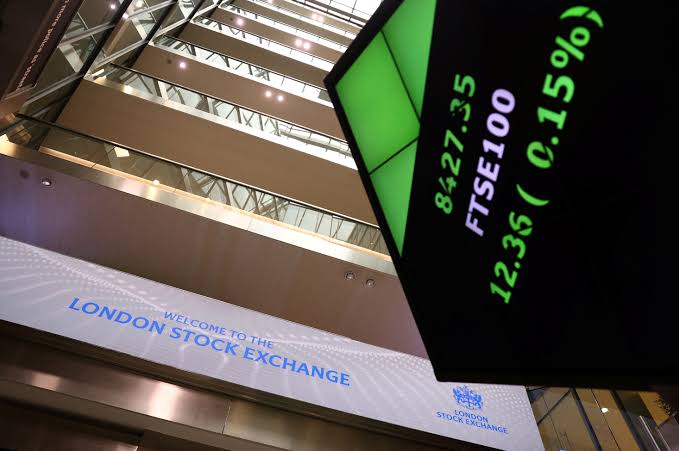
FTSE 100 surged past the 10,000 mark for the first time on Monday, a symbolic milestone for Britain’s blue-chip stock index that underscores a powerful rally driven by commodities, defense, and financial shares.
The benchmark index, which tracks the largest companies listed on the London Stock Exchange, extended gains that began last year, building on a nearly 22% advance in 2025. That performance marked its strongest annual showing since the global financial crisis of 2009 and placed it ahead of both Europe’s broad STOXX 600 index and the U.S. S&P 500.
Market participants said the move reflects a shift in investor focus toward globally exposed British companies that benefit from higher interest rates, resilient demand for raw materials, and increased government spending on security and infrastructure.
Mining stocks were among the strongest contributors to the rally. Precious metals producer Fresnillo and other resource firms gained on firm commodity prices and expectations of sustained global demand, particularly from emerging markets and the energy transition.
Read Also: Bitcoin: Capitulation Signal Revives $180,000 Rally Case Now
Defense and aerospace companies also played a central role. Shares in Babcock and Rolls-Royce rose sharply over the past year, supported by rising military budgets in Europe and beyond, as governments respond to heightened geopolitical tensions and seek to modernize aging equipment.
Banks added further momentum. Lenders such as Lloyds benefited from elevated interest rates, which have boosted net interest margins, alongside signs of steady, if uneven, economic growth. Analysts said UK banks have been helped by relatively strong balance sheets and improved capital positions compared with the period following the Brexit referendum.
The milestone carries added significance for a market that has struggled for global attention in recent years. UK equities have often traded at a discount to international peers, weighed down by political turbulence, lingering post-Brexit uncertainty, and concerns about public debt and long-term growth prospects.
“This is as much about sentiment as it is about fundamentals,” said one London-based portfolio manager. “The FTSE 100 is heavily international, and investors are rewarding sectors that offer earnings resilience in an uncertain global environment.”
While the index’s advance is unlikely to translate directly into broad domestic prosperity, economists note it could help improve confidence in UK assets and attract fresh international capital.
Still, some analysts caution that future gains may be harder to sustain. Much will depend on the path of global interest rates, commodity prices, and economic growth in major markets.
For now, the FTSE 100’s of 10,000 stands as a rare bright spot for UK markets, signaling renewed momentum after years of skepticism and subdued performance.