
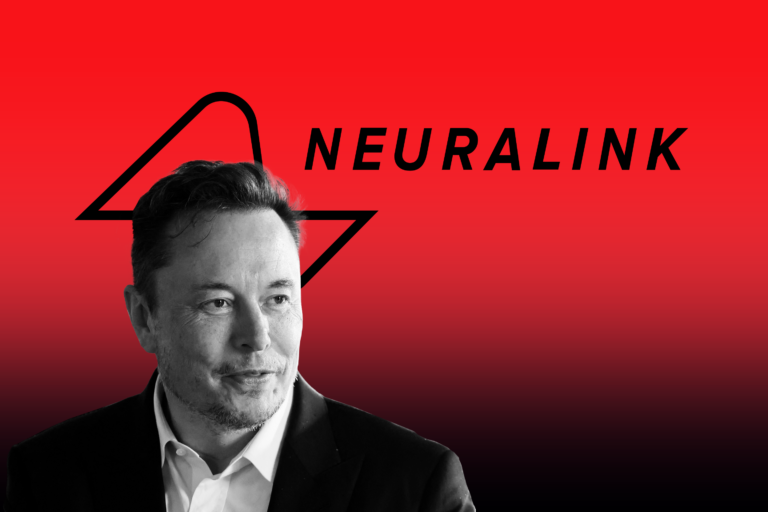
Elon Musk’s Neuralink plans high-volume brain chip production in 2026 while automating implantation, expanding trials for paralysis and neurological patients.
Elon Musk says his brain-computer interface company, Neuralink, is preparing to move into high-volume production of its brain implants in 2026, alongside a major shift toward automating the surgical procedure used to place the devices in patients.
In a series of posts on X this week, Musk said Neuralink plans to scale manufacturing of its brain chips while streamlining implantation into what he described as an “almost entirely automated” process. The move signals a new phase for the startup as it seeks to transition from early human trials to broader clinical use.
Neuralink, which Musk co-founded in 2016, is developing implantable microchips designed to allow people to control computers directly with their brains. The company’s initial focus is on helping patients with paralysis, severe neurological disorders, or sensory impairments communicate and regain independence.
According to Musk, the automated procedure would allow the device’s ultra-thin threads to be inserted through the Dura, the tough outer membrane surrounding the brain and spinal cord, without removing it. He called the development a significant advance over current methods, which require a surgeon to remove a small portion of the skull before a robotic system inserts the implant.
Read Also: Elon Musk Warns “Artificial Intelligence” Will Rule Humanity
The Neuralink chip is roughly the size of a coin and connects to the brain through dozens of flexible threads, each far thinner than a human hair. These threads transmit neural signals that can be decoded by computers, allowing users to type, browse, or control digital devices without physical movement.
The technology has already been tested in a limited number of people. Neuralink’s first human patient, Noland Arbaugh, who is quadriplegic, received an implant in January 2024. He has said the device helped him regain a sense of independence, communicate more easily, and reconnect socially. As of September 2025, the company reported that 12 people worldwide were actively using the implant.
Musk has previously suggested Neuralink could expand to more than 1,000 patients by 2026. Late last year, the company began hiring manufacturing technicians and microfabrication specialists, signaling preparations for scaled production.
Beyond medical applications, Musk has repeatedly outlined more ambitious long-term goals, including the possibility of linking human cognition more closely with Artificial Intelligence (AI). Those ideas have drawn both excitement and skepticism from scientists and ethicists.
For now, Neuralink’s immediate challenge lies in proving that its technology can be produced, implanted, and used safely at scale. If successful, the company’s push toward automation and mass production could mark a turning point in the emerging field of brain-computer interfaces.