Microsoft founder Gates praises AI’s promise in healthcare but urges vigilance as leaders warn the fast-moving technology could displace jobs and be abused.
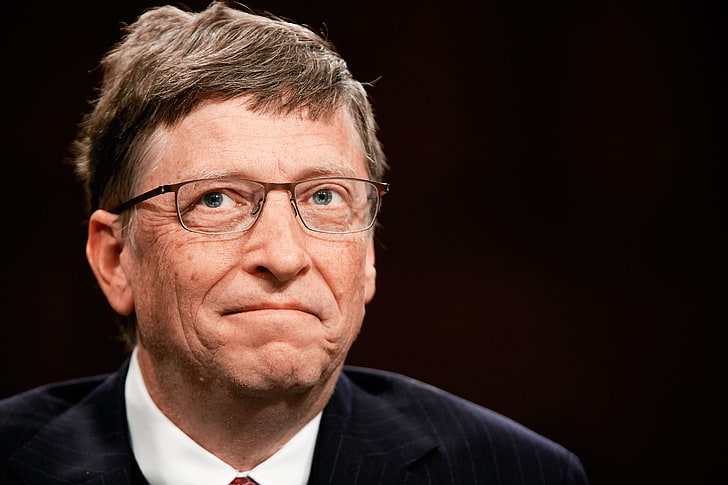
Microsoft founder Bill Gates has warned that Artificial Intelligence (AI), could produce “scary” consequences if it falls into the wrong hands, even as he described the technology as one of the most powerful tools humanity has ever created.
Speaking in recent broadcast interviews, Gates said AI has the potential to transform daily life, particularly in healthcare, where he believes it could dramatically improve access and quality of care within the next decade. He said AI systems could support doctors, reduce misdiagnosis, and help address staff shortages in both wealthy and low-income countries.
“Your AI will be with you your entire life,” Gates said, pointing to a future in which patients routinely interact with advanced digital assistants during medical consultations. He described the technology as a breakthrough that could ease pressure on overstretched health systems worldwide.
At the same time, Gates cautioned that the same tools could be dangerous if misused. He warned that AI’s power to influence decisions, automate complex tasks, and operate at massive scale makes it vulnerable to exploitation by actors with harmful intentions. Governments, he argued, must respond with stronger oversight and consider higher taxes on companies that control the most advanced systems.
Read Also: Elon Musk Revives Feud With Microsoft Gates Over Tesla Short
Concerns about AI risks were echoed by Mustafa Suleyman, head of Microsoft’s artificial intelligence division, who said public anxiety about the technology is justified. Suleyman said a degree of fear is “healthy and necessary” to ensure that innovation is matched with responsibility and safeguards.
Suleyman described AI as a fundamentally labor-replacing technology that is already affecting jobs such as call center work. He said future waves of automation are likely to reach white-collar roles, including some legal and accounting positions, raising fresh questions about workforce disruption.
He also warned against the pursuit of so-called Superintelligent AI systems that could surpass human abilities across nearly all tasks. Systems designed to self-improve, set their own goals, and operate autonomously, he said, could become uncontrollable.
“If we can’t control it, it isn’t going to be on our side,” Suleyman said, warning such systems could overwhelm human decision-making.
Despite his concerns, Suleyman stressed that AI can still be a force for good if it is designed to serve humanity. He also acknowledged the broader social impact of digital technologies, saying constant connectivity has left many people overwhelmed and anxious.
Both leaders emphasized that the challenge ahead is not stopping AI’s progress, but guiding it carefully. As investment accelerates and adoption spreads, they said, the choices made now will shape whether AI becomes a tool for shared benefit or a source of profound global risk.