Rallies enter third day as Rial plunges, prices soar, and Iranian government reshuffles central bank leadership amid pressure from sanctions abroad unrest now.
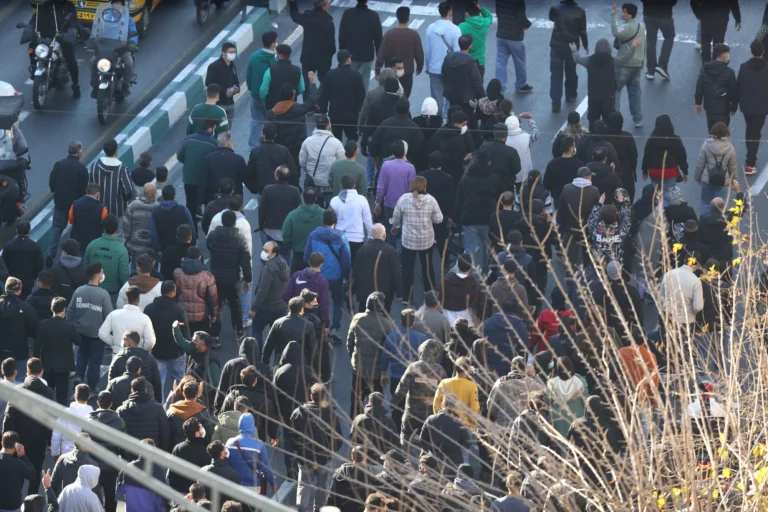
Protests over rising prices and economic hardship spread across Iran on Tuesday December 30, 2025, after the national currency fell to a record low against the U.S. dollar, intensifying public anger over inflation and declining living standards.
Demonstrations were reported in several major cities, including Tehran, Isfahan, Shiraz, and Mashhad, as crowds gathered to protest sharp increases in the cost of food, medicine, and basic services. Videos shared on social media showed protesters chanting slogans critical of the government and calling for urgent economic relief.
The unrest follows a steep slide in the Iranian Rial, which has lost significant value in recent weeks, accelerating price pressures across the economy. According to local reports, food prices have risen by about 72 percent compared with a year earlier, while medical costs are up roughly 50 percent, placing severe strain on households.
The protests entered a third day as authorities acknowledged the depth of the crisis. President Masoud Pezeshkian accepted the resignation of Central Bank Governor Mohammad Reza Farzin, signaling an attempt to contain the fallout and restore confidence in economic management. Pezeshkian also instructed the interior minister to engage with protesters and report back on their demands, according to state media.
Read Also: British Couple Detained In Iran Faces ‘Espionage’ Allegations
Despite those moves, tensions remained high. Some demonstrations escalated into confrontations with security forces, while anti-government chants echoed in several locations. Iranian officials have not released official figures on arrests or injuries.
Iran’s economic troubles are rooted in a combination of long-standing structural problems and external pressure. U.S. sanctions have sharply curtailed Iran’s oil exports, restricted access to foreign currency, and limited its ability to engage with international financial systems. The result has been persistent inflation, reduced purchasing power, and growing public frustration.
For a global audience, Iran’s turmoil underscores how currency instability can quickly translate into social unrest, particularly in countries where wages fail to keep pace with rising prices. Analysts say the latest protests reflect deeper dissatisfaction that extends beyond the exchange rate, touching on governance, transparency, and economic opportunity.
The government has pledged to stabilize the Rial and rein in inflation, but concrete measures have yet to be announced. Previous attempts to control prices through subsidies and currency interventions have delivered limited and temporary relief.
As protests continue, the pressure is mounting on Iran’s leadership to demonstrate that it can manage the crisis and address public grievances. Whether the resignation of the central bank chief will calm markets or streets remains uncertain, but the unrest highlights the fragile balance between economic policy and social stability in the country.
For now, Iran faces a familiar challenge: restoring confidence at home while navigating powerful external constraints that continue to shape its economic reality.