
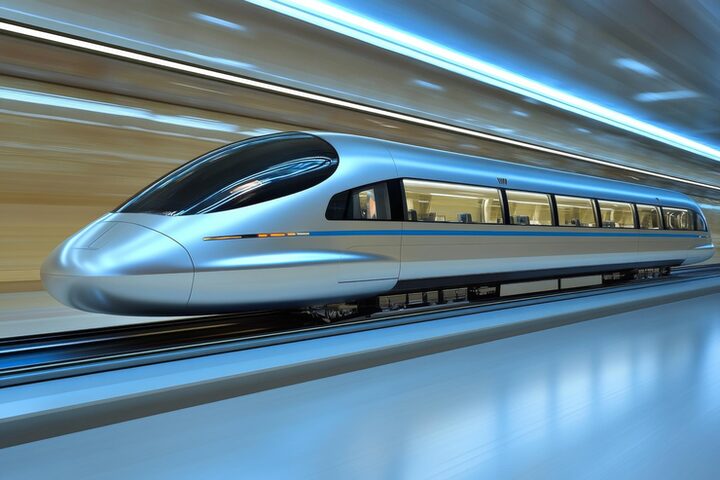
From high-speed links to luxury sleepers, rail operators across Europe and Asia are unveiling new trains and routes that signal a global renaissance in long-distance travel.
Few moments in travel rival the quiet thrill of standing in a major rail station, eyes fixed on a glowing departure board, imagining where the next train might take you. Whether you are a frequent traveler or setting off for the first time, that pause before departure carries a promise of possibility.
In global hubs such as Zurich, London, Vienna, Tokyo, and Shanghai, the scale of modern rail travel makes spontaneity tempting. One platform can lead to another country, another culture, or a journey measured not in hours but in landscapes unfolding outside the window.
That sense of freedom is growing stronger as rail networks expand and modernize. Around the world, governments and private operators are investing heavily in new trains, faster routes, and more comfortable onboard experiences. The result is a wave of launches planned for 2026 that could reshape how millions of people travel.
The coming year is expected to bring a mix of cutting-edge high-speed trains, affordable overnight services, and ultra-luxury rail experiences designed to rival cruise ships and five-star hotels. Together, they reflect a broader shift in travel preferences, as passengers look for alternatives to short-haul flights and more sustainable ways to move between cities.
Read Also: Trump’s Strategy Warns Europe Of ‘Civilizational Erasure’
In Europe, new cross-border high-speed services aim to make rail the default option for trips once dominated by air travel. Operators are promising shorter journey times, seamless ticketing, and improved comfort, including quieter cabins and upgraded dining. Several sleeper routes are also being revived or expanded, offering budget-friendly overnight travel that saves both time and hotel costs.
Asia continues to push the boundaries of rail technology. New train models planned for 2026 are expected to feature faster acceleration, improved energy efficiency, and advanced safety systems. Countries such as Japan and China are also refining passenger experience, with more spacious seating, enhanced digital services, and smoother rides.
At the opposite end of the spectrum, luxury rail travel is undergoing a revival. High-end operators are introducing “land cruises” that focus as much on the journey as the destination, complete with private suites, fine dining, and curated excursions along the route.
Taken together, these developments point to a pivotal moment for global rail travel. With climate concerns, rising airfares, and growing demand for slower, more immersive journeys, trains are no longer just a practical choice. In 2026, they are set to become one of the most compelling ways to explore the world.