
Interoceanic passenger train derails in southern Oaxaca, prompting a major rescue effort as authorities probe the cause and the government deploys emergency response teams.
At least 13 people were killed and nearly 100 others injured after a passenger train derailed in southern Mexico, authorities said, marking one of the country’s deadliest rail accidents in recent years and raising fresh concerns about rail safety.
The crash occurred on Sunday when the Interoceanic Train, a key passenger service linking parts of southern Mexico, derailed near the town of Nizanda in Oaxaca state. Officials said the train was carrying 241 passengers and nine crew members at the time of the incident.
Emergency services reported that 98 people were injured, including five who remain in critical condition. Survivors were rushed to nearby hospitals as rescue teams worked through difficult terrain to reach the wreckage.
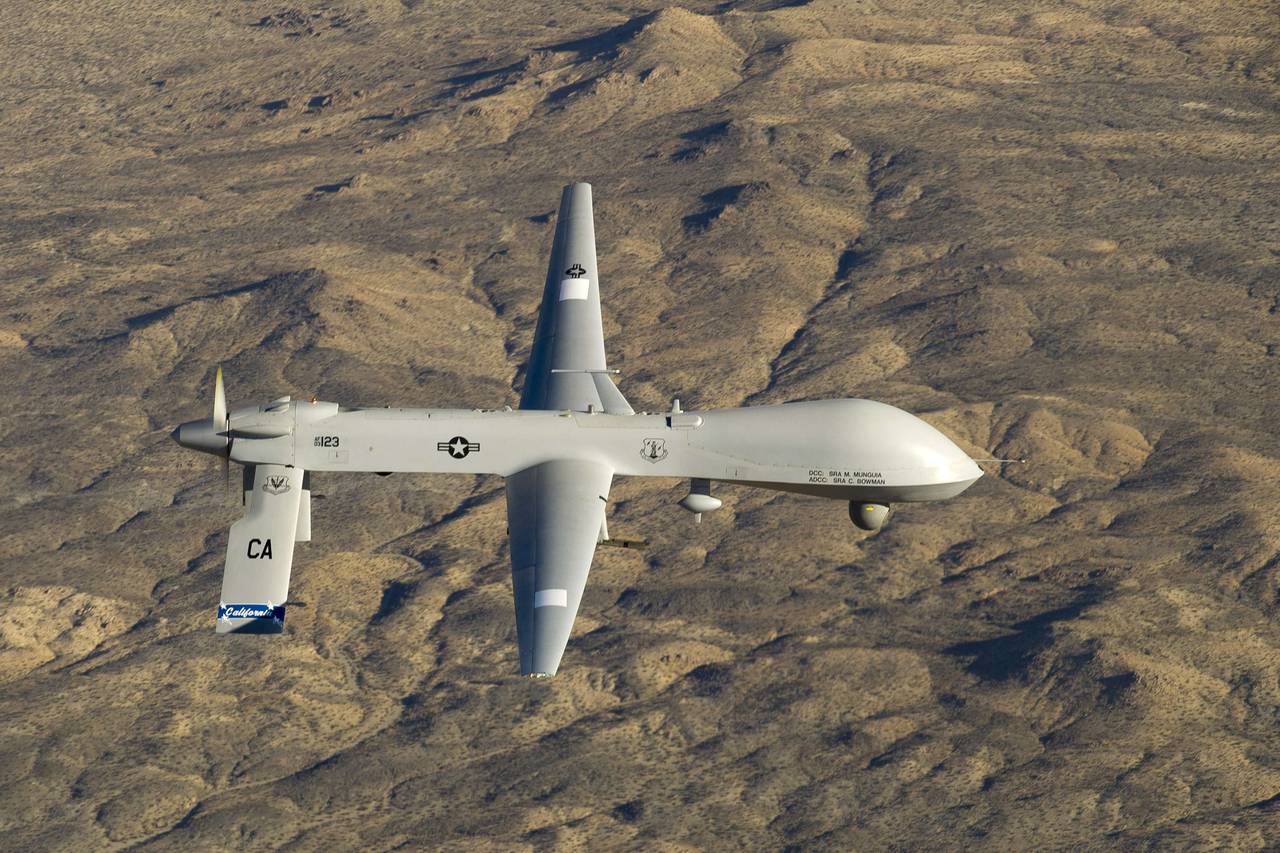
Mexico’s Navy, which operates the national railway network, said it deployed more than 360 personnel to the scene, along with ambulances, helicopters, and drones to support search-and-rescue operations. The use of aerial drones helped responders assess the extent of the damage and locate injured passengers in hard-to-access areas.
President Claudia Sheinbaum expressed condolences to the families of the victims and ordered a full federal response. Her office said senior government officials were dispatched to Oaxaca to coordinate emergency care, assist survivors, and ensure support for affected families.
Read Also: Zhi Zhang: Mexico Extradites Chinese Fentanyl Kingpin To U.S.
“This is a tragedy that demands clarity and accountability,” a government statement said, adding that all available resources had been mobilized to manage the aftermath.
The Interoceanic Train is part of a broader infrastructure push aimed at improving transportation and economic integration in southern Mexico, a region long underserved by major development projects. The route has been promoted as a strategic corridor for both passengers and freight.
Authorities have launched an investigation to determine the cause of the derailment. While officials have not yet released preliminary findings, investigators are examining possible factors including track conditions, mechanical failure, and operational procedures.
Rail accidents are relatively rare in Mexico compared with road crashes, but when they occur, they often expose weaknesses in infrastructure maintenance and oversight. Safety advocates have repeatedly called for stronger monitoring systems and regular inspections, especially as rail usage expands.
Local officials said cleanup operations were ongoing and that rail traffic on the affected line had been suspended until safety checks are completed. Counseling and emergency assistance centers have also been set up for survivors and relatives seeking information.
As the investigation continues, the disaster has renewed public scrutiny of Mexico’s rail modernization efforts and the balance between rapid expansion and passenger safety, with many calling for swift reforms to prevent future tragedies.