Government backs inmate farm work for sentence cuts as part of broader effort to ease overcrowding, boost food output, and reshape justice under Traoré.
Burkina Faso’s military-led government has launched an ambitious prison reform program that allows inmates to reduce their sentences through agricultural labor, a move officials say is aimed at easing overcrowding, improving rehabilitation, and strengthening food production in the conflict-hit West African nation.
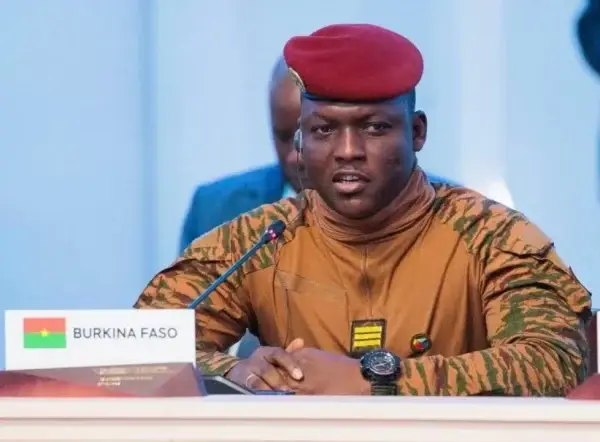
The policy, backed by Captain Ibrahim Traoré’s administration, permits prisoners to earn up to three months off their sentences for every month spent working on state-managed farms. Authorities say the initiative marks a shift away from purely punitive incarceration toward rehabilitation and self-reliance.
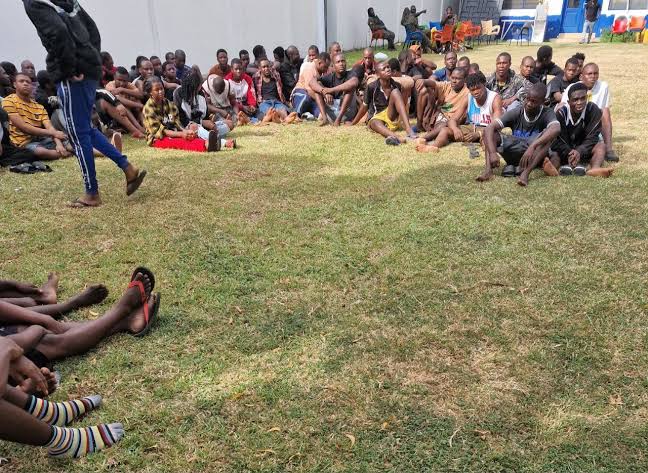
Burkina Faso’s prisons have long struggled with congestion, limited funding, and weak reintegration programs. Rights groups and legal observers have repeatedly warned that overcrowding and poor conditions contribute to high rates of repeat offending, particularly among young and low-income inmates.
Under the new approach, prisoners are assigned to cultivate crops such as grains, fruits, and vegetables, with the produce feeding into national supply chains. Officials describe the farms as training grounds where inmates can acquire practical skills that may help them earn a living after release.
The reform has been paired with a series of presidential pardons. Since early 2025, more than 1,000 inmates have been released, according to government figures, easing pressure on detention facilities and allowing authorities to focus resources on remaining prisoners.
Read Also: Burkina Faso: Grants Asylum For Benin Coup Plot Leader Tigri
Supporters say the policy reflects a broader effort to adapt justice systems to local realities. Burkina Faso remains heavily dependent on agriculture, and officials argue that equipping inmates with farming skills aligns rehabilitation with the country’s economic needs.
“This is about restoring dignity and usefulness,” a government official familiar with the program said, adding that the initiative aims to cut recidivism while contributing to food security.
Human rights organizations, however, have urged caution. Some have raised concerns about whether participation is genuinely voluntary and whether sufficient safeguards exist to prevent exploitation, especially under a transitional military government. They have called for independent monitoring to ensure humane working conditions and transparency.
The reforms are unfolding against a backdrop of severe security challenges. Burkina Faso has been battling a jihadist insurgency for nearly a decade, a conflict that has displaced millions and strained state institutions, including the justice system.
Analysts say the prison initiative illustrates the Traoré government’s broader push for self-reliance and institutional overhaul, but warn that its success will depend on oversight, funding, and long-term support for released inmates.
For now, Burkina Faso’s experiment is drawing attention across the Sahel, where other countries face similar pressures to rethink incarceration, rehabilitation, and public trust in justice systems.