Two of Nepal’s most popular anti establishment figures have joined forces ahead of the country’s March 5 parliamentary elections, setting up a direct challenge to the traditional parties that have dominated politics in the Himalayan nation for more than three decades.
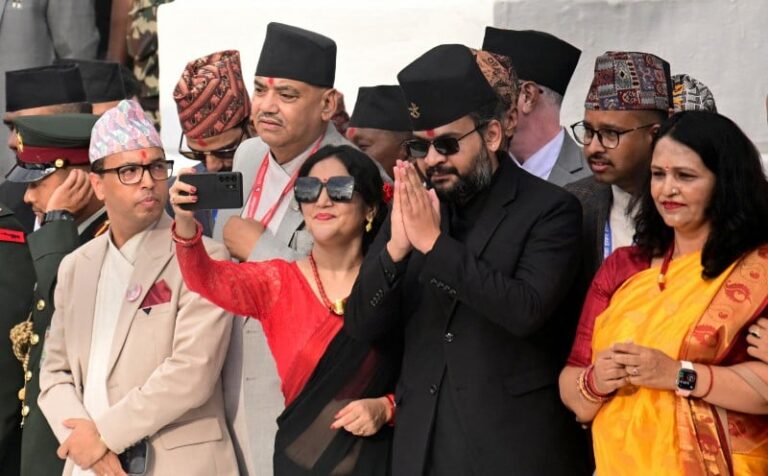
Kathmandu Mayor Balendra Shah, widely known as Balen, has formally aligned with the Rastriya Swatantra Party, or RSP, led by former television host Rabi Lamichhane, according to party officials. The alliance brings together two leaders who gained national followings through youth driven protest movements and anti corruption campaigns, reshaping an already volatile election landscape.
The deal gives the RSP a powerful boost among younger voters, analysts say, at a time when public anger over corruption and political stagnation remains high following deadly protests last year.
Under the agreement, Shah, 35, would become prime minister if the RSP wins the election, while Lamichhane, 48, would continue as party leader. Party officials confirmed the arrangement on Monday, a day after the alliance was finalized.
Both men rose to prominence during or after the September protests led largely by young Nepalis, which targeted entrenched political elites and alleged corruption. The demonstrations left 77 people dead and ultimately forced then Prime Minister K.P. Sharma Oli to resign, according to official figures cited by Reuters.
Shah, a rapper turned politician, emerged as an informal figurehead for many protesters, especially on social media. He later helped form the interim government headed by former Chief Justice Sushila Karki, which is overseeing preparations for the election.
Lamichhane built his reputation earlier as a television journalist known for confronting corruption on air before launching the RSP ahead of the 2022 elections.
“It is a very smart and strategic move by the RSP to bring in Balen and his young supporters into its fold,” analyst Bipin Adhikari said, highlighting the party’s growing appeal among first time voters. “Traditional political parties are in pain for fear of losing their young voters to RSP,” he added.
The Election Commission of Nepal says nearly 19 million of the country’s 30 million people are eligible to vote in March. About one million new voters, most of them young, were added to the rolls following the protests.
Nepal’s two largest parties, the Communist Party of Nepal Unified Marxist Leninist and the centrist Nepali Congress, have alternated power or governed together for much of the past 30 years. Both now face the possibility of losing ground to newer political forces tapping into voter frustration.
Read Also: Nepal’s Gen Z Turns To Discord To Select Interim PM
Shah is expected to be a key challenger to the established parties, particularly in urban areas where dissatisfaction with traditional leadership runs deep.
Lamichhane’s RSP, while still relatively new, has gained traction by positioning itself as an alternative to what it calls a broken political culture. However, Lamichhane is currently out on bail in a case involving allegations of misuse of funds collected by cooperatives from small depositors, an issue his critics say could weaken the party’s credibility.
Not everyone is convinced the alliance will significantly alter the outcome of the election.
Prakash Sharan Mahat, spokesperson for the Nepali Congress, described both leaders as controversial and downplayed the political impact of their partnership. He said the alliance was unlikely to pose a serious threat to established parties.
Shah has also faced criticism for his role during the September protests. Some critics argue he rarely appeared publicly during demonstrations and communicated mainly through online platforms, raising questions about his leadership style.