China has approved sweeping changes to its Foreign Trade Law, a move aimed at strengthening Beijing’s ability to respond to trade disputes, tighten oversight of strategic exports, and modernize rules governing the world’s second-largest economy.
The revised legislation, passed on Saturday by China’s top legislative body, will take effect on March 1, 2026, according to state news agency Xinhua.
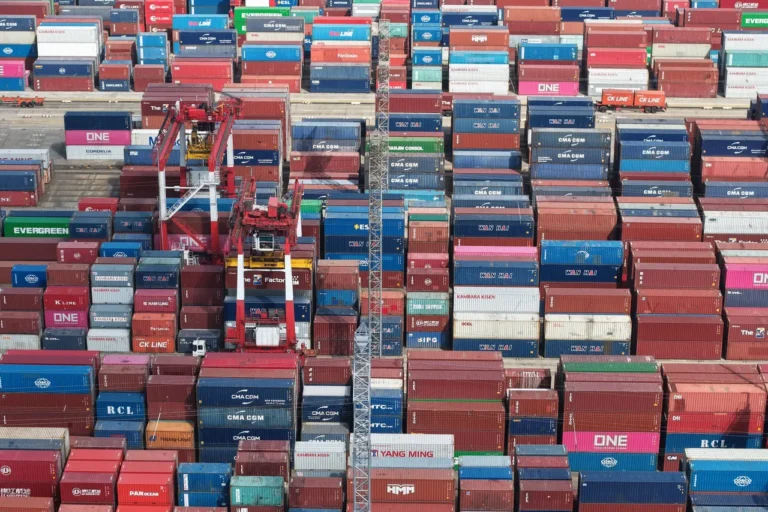
The updated law expands China’s legal toolkit to counter what officials describe as growing external economic pressures, including export controls and trade restrictions imposed by other countries. It reinforces Beijing’s authority to respond to measures that limit Chinese exports and clarifies the government’s power to regulate outbound shipments of sensitive or strategic goods.
Xinhua said the revisions emphasize that foreign trade should “serve national economic and social development” and contribute to building China into a “strong trading nation,” signaling a closer alignment between trade policy and national security goals.
Beyond trade defense, the overhaul reflects Beijing’s push to make its legal framework more compatible with high-standard international trade agreements. Analysts say the changes are partly designed to bolster China’s case for joining the Comprehensive and Progressive Agreement for Trans-Pacific Partnership (CPTPP), a major trade bloc originally formed without China.
Unlike earlier revisions that focused heavily on retaliatory measures during the tariff battles of the first Trump administration, the latest update prioritizes emerging sectors such as digital commerce, green trade, and intellectual property protection—areas where China faces scrutiny from trading partners.
Read Also: Hainan Free Trade Port Signals China Trade Ambitions
First adopted in 1994 and revised several times since China joined the World Trade Organization in 2001, the Foreign Trade Law provides the legal basis for opening restricted sectors to foreign firms through mechanisms such as “negative lists.” The new revision builds on that framework while sharpening regulatory language to address modern trade challenges.
Trade diplomats say Beijing is also refining legal definitions in anticipation of potential lawsuits from private companies, which are playing a growing role in China’s economy and are increasingly willing to challenge regulatory decisions.
“Government ministries have become more sensitive to criticism from the private sector,” said a Western trade diplomat with decades of experience working with China. “China operates under a rule-of-law framework, so if authorities stop a shipment, they need a clear legal basis.”