Former military leader says the government should reject talks, push total military action, and question negotiators amid Nigeria’s banditry crisis in the nation.
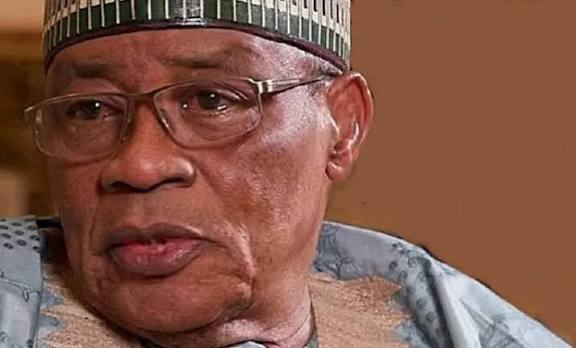
Former Nigerian military ruler Ibrahim Badamasi Babangida has urged the Federal Government to reject any surrender offers from armed bandits, calling instead for a decisive military campaign to completely defeat the groups before considering dialogue.
Babangida, widely known as IBB, made the remarks in a post on his verified account on X, weighing in on Nigeria’s prolonged struggle with armed banditry that has killed thousands and displaced communities across the country’s northwest and north-central regions.
“While the bandits are pleading for surrender, we must not accept their plea until every one of them is neutralized and eliminated,” Babangida wrote. He added that security forces should focus on total military success rather than negotiation while armed groups remain active.
Only after that, he said, should authorities turn their attention to individuals accused of sympathizing with or negotiating on behalf of the bandits. Babangida specifically referenced Islamic cleric Sheikh Ahmad Gumi, who has previously advocated dialogue with armed groups, saying such figures should be invited for questioning once the violence is fully crushed.
Read Also: U.S. Surveillance Flights Over Nigeria Signal Rising Tension
Nigeria has for years grappled with bandit gangs involved in mass kidnappings, village raids, and cattle rustling, particularly in rural areas where state security presence is limited. Successive governments have alternated between military offensives, amnesty-style programs, and negotiations, with mixed results.
Babangida’s comments quickly triggered intense debate on social media, reflecting deep divisions among Nigerians over how best to tackle insecurity. Some users praised his hardline stance, arguing that previous negotiations emboldened armed groups and failed to deliver lasting peace.
Others warned that an exclusively military approach could escalate violence or overlook the social and economic factors driving recruitment into armed gangs. Several commenters also questioned whether decades of similar strategies had produced meaningful improvements in security.
The debate comes as the current government continues to face pressure to demonstrate progress against widespread insecurity, which remains one of Nigeria’s most serious national challenges. Armed banditry has disrupted farming, worsened food insecurity, and forced school closures in affected regions.
Security analysts say public frustration has fueled growing calls for tougher action, even as humanitarian groups urge caution and protection for civilians caught in the conflict.
Babangida, who ruled Nigeria from 1985 to 1993, remains an influential political voice despite leaving office more than three decades ago. His intervention adds weight to a broader national conversation over whether force, negotiation, or a combination of both offers the most realistic path to restoring security in Africa’s most populous country.