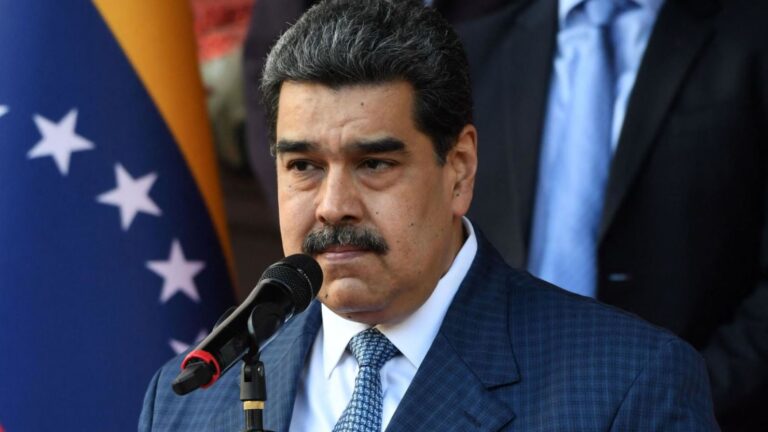
The United States told the United Nations on Tuesday that it will impose and enforce sanctions against Venezuela to the fullest extent possible, escalating pressure on President Nicolas Maduro’s government as Russia and China warned the move could raise tensions across Latin America.
Speaking at a U.N. Security Council meeting in New York, U.S. Ambassador Mike Waltz said Washington aims to cut off what it views as the Maduro government’s remaining sources of income, particularly through oil shipments that have continued despite existing restrictions.
“The single most serious threat to this hemisphere, our very own neighborhood and the United States, is from transnational terrorist and criminal groups,” Waltz told the council, linking Venezuela’s leadership to organised crime and drug trafficking networks.
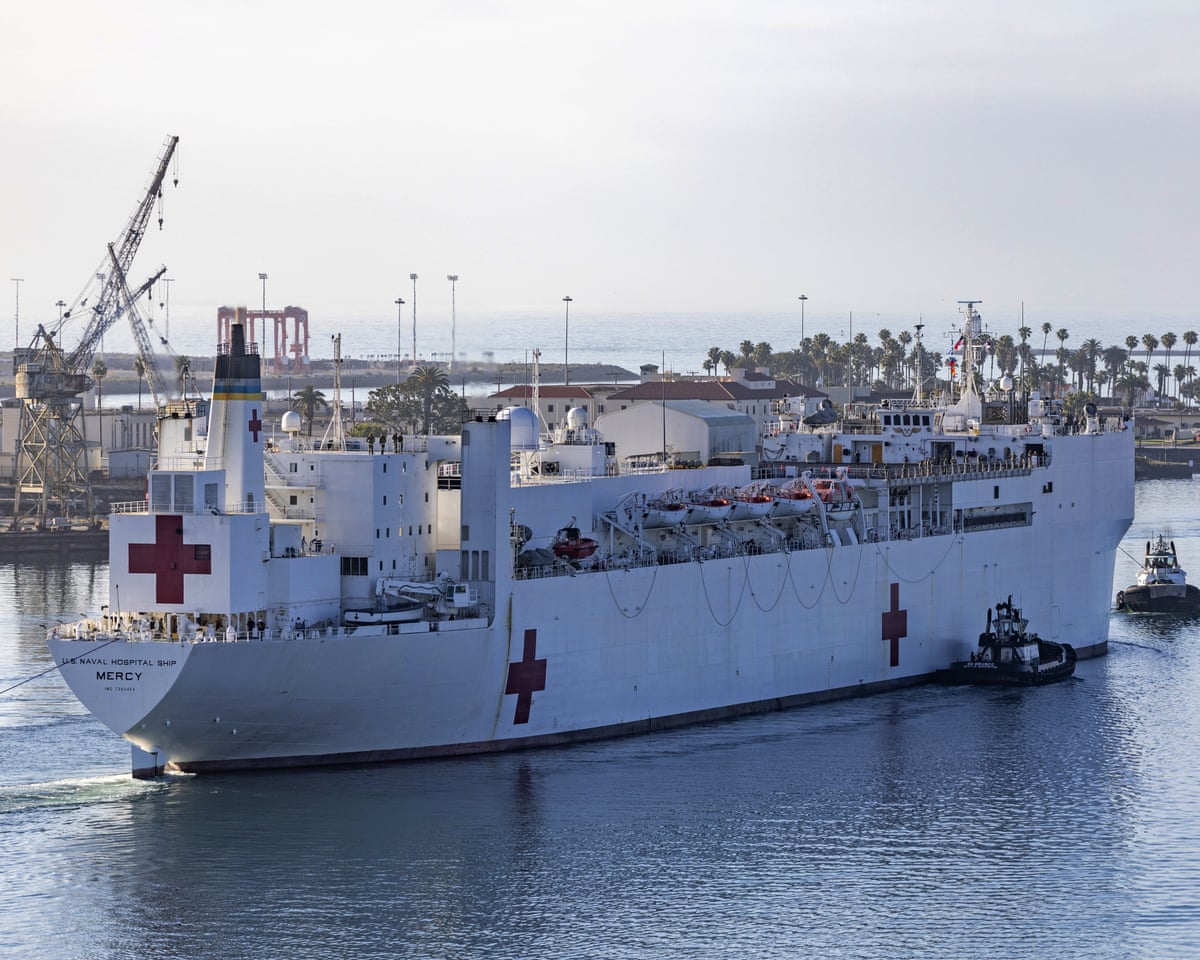
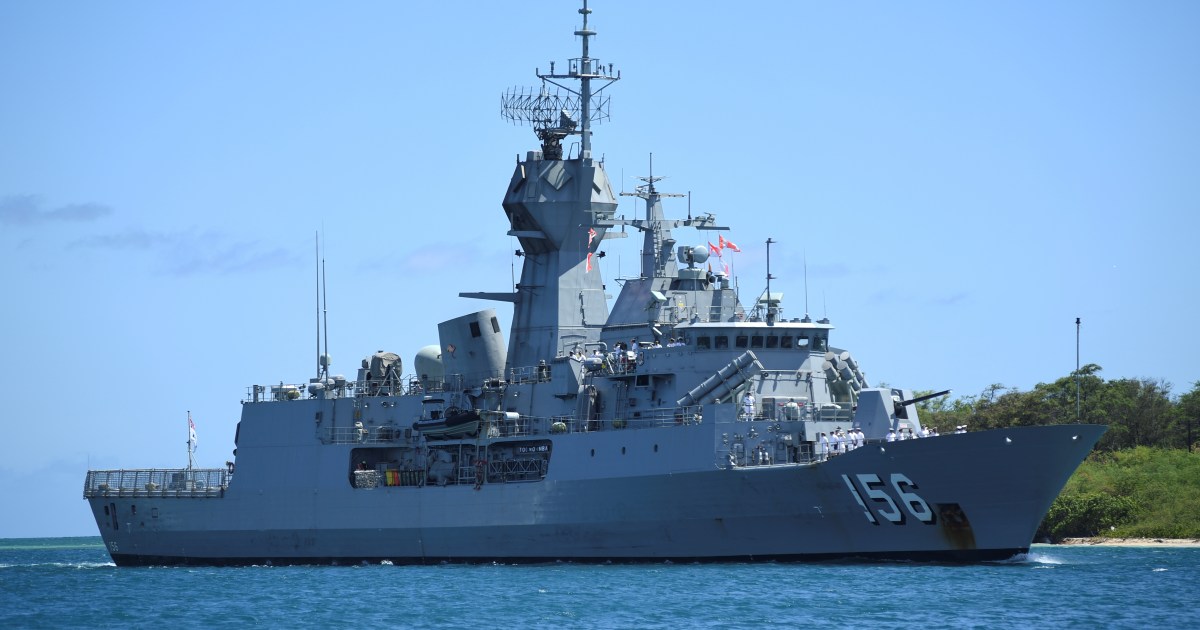
U.S. officials said the measures form part of a broader campaign that includes stepped up naval patrols in the Caribbean Sea and along the Pacific coast of Latin America. President Donald Trump’s administration has also announced a blockade of vessels subject to U.S. sanctions, a move that has already resulted in several interceptions.
According to U.S. authorities, the Coast Guard seized two tankers earlier this month in the Caribbean, both carrying Venezuelan crude oil. A third vessel, which officials said was empty but heading toward Venezuela’s coastline, remains under pursuit.
Waltz told the Security Council that sanctioned oil shipments represent the central economic support for what he described as Maduro’s “illegitimate regime.”
“The reality of the situation is that sanctioned oil tankers operate as the primary economic lifeline for Maduro and his illegitimate regime,” he said, adding that the same revenue stream also finances criminal groups involved in narcotics trafficking.
Late last month, Washington designated the Cartel de los Soles, also known as the Cartel of the Suns, as a foreign terrorist organisation. U.S. officials allege the group has played a major role in transporting illegal drugs into the United States and accuse Maduro of leading it.
Venezuela’s government has strongly denied the accusation, dismissing the designation as “ridiculous” and insisting the group does not exist. Caracas has long accused Washington of using sanctions and legal labels to justify economic pressure and potential military action.
Read Also: Maria Corina Machado Injured Fleeing Venezuela
U.S. officials, however, argue that the designation gives them additional legal tools to target vessels, financial networks, and individuals tied to Venezuela’s oil trade and alleged trafficking operations.
Russia warned that the U.S. approach toward Venezuela could set a dangerous precedent for the region. Moscow’s U.N. Ambassador Vassily Nebenzia said the unfolding intervention could become a model for future use of force against other Latin American countries.
“This intervention which is unfolding can become a template for future acts of force against Latin American states,” Nebenzia told the council, citing a recent U.S. strategy document that emphasised reasserting dominance in the Western Hemisphere.
China also urged restraint. Deputy U.N. Ambassador Sun Lei called on Washington to reverse course, warning that further escalation could undermine regional stability.
China urged the United States to “immediately halt relevant actions and avoid further escalation of tensions,” Sun told council members.
The United States has imposed layers of sanctions on Venezuela over the past decade, targeting its oil industry, financial system, and senior officials. The measures intensified after Washington and several allies recognised opposition leader Juan Guaidó as interim president in 2019, a stance that has since softened under changing diplomatic conditions.
According to reporting by Reuters and the Associated Press, U.S. officials believe increased maritime enforcement is necessary to prevent sanctioned oil from reaching international markets, particularly buyers in Asia and intermediaries operating through shell companies.