U.S. President cites Boko Haram, Islamic State activity and visa overstay data as Nigeria is added to list of countries facing new U.S. travel restrictions.
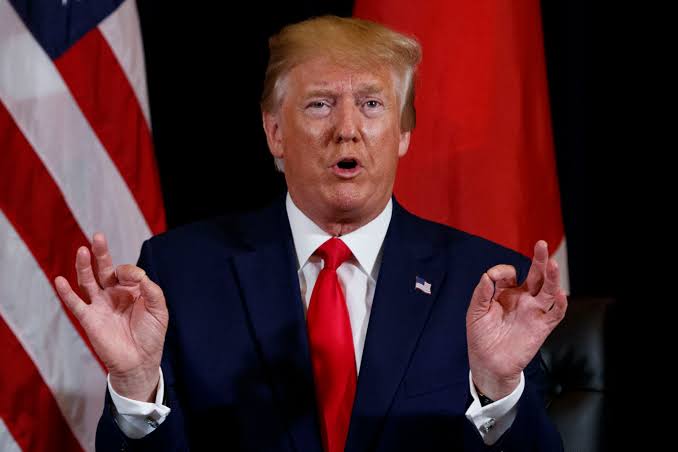
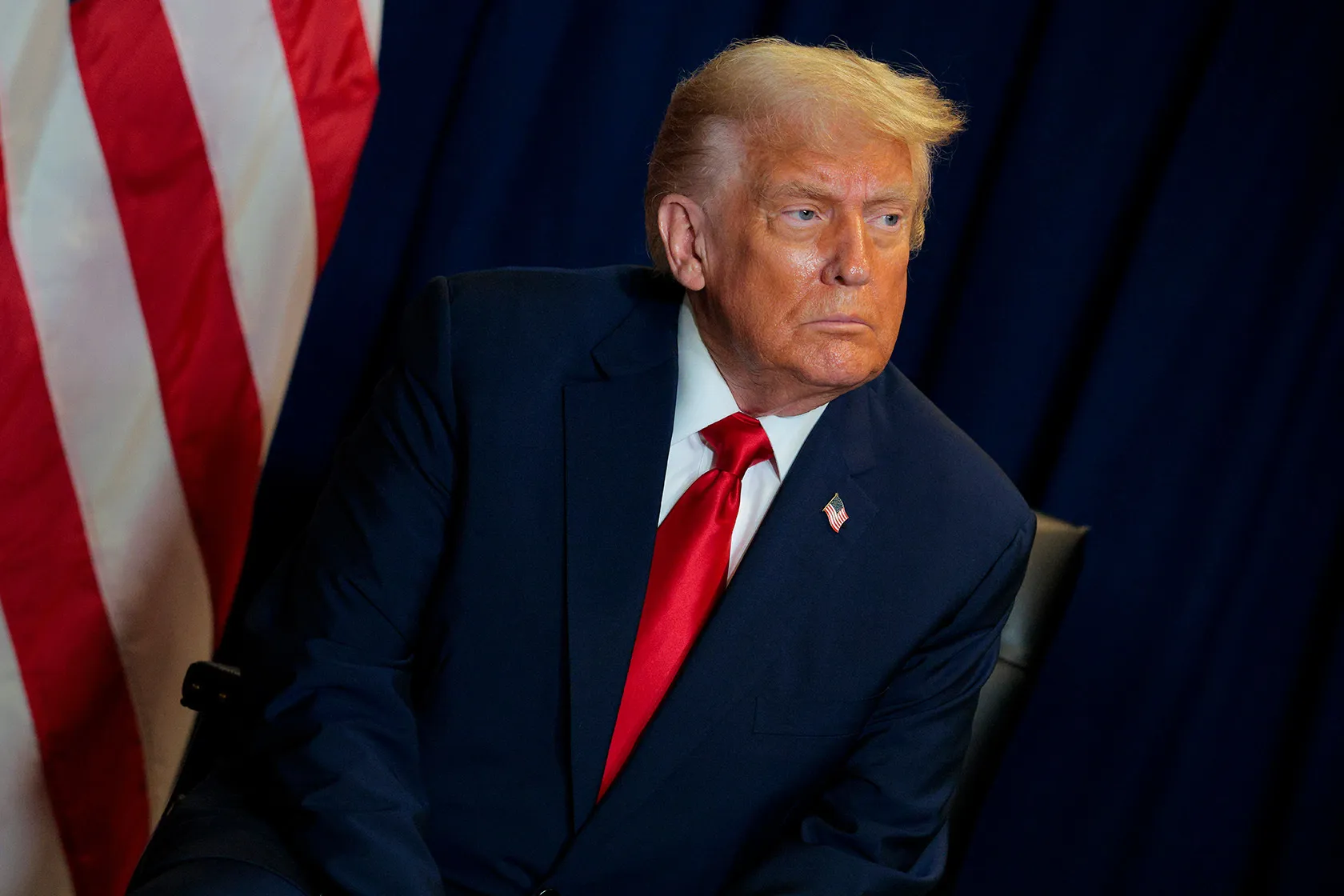
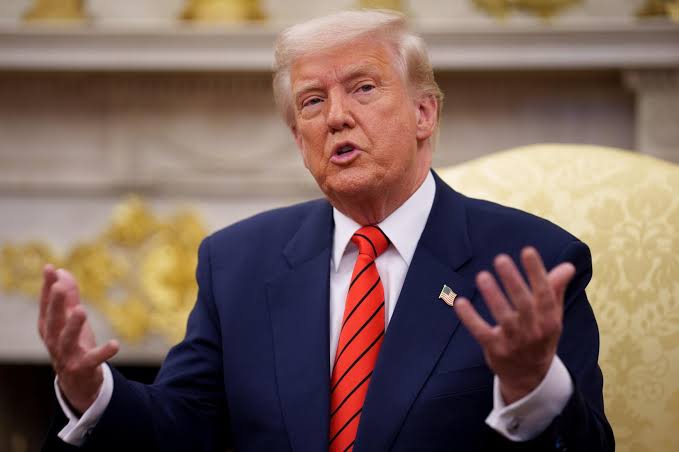
United States President Donald Trump has said Boko Haram, the Islamic State and other extremist groups continue to operate freely in parts of Nigeria, citing the security situation as a key reason his administration imposed new travel restrictions on the West African nation.
In a proclamation issued Tuesday, Trump said the presence of jihadist groups posed concerns for U.S. national security and immigration enforcement.
“Radical Islamic terrorist groups such as Boko Haram and the Islamic State operate freely in certain parts of Nigeria,” Trump said, listing the country among those facing tighter entry conditions into the United States.
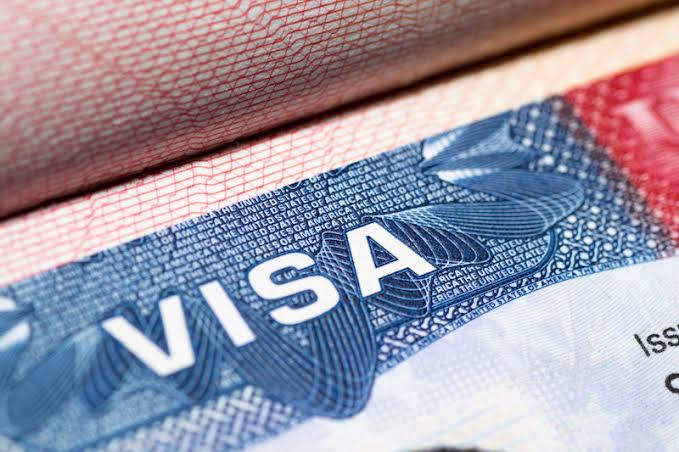
The White House also pointed to visa compliance data, noting that Nigeria recorded a B-1/B-2 visitor visa overstay rate of 5.56 percent and an F, M, and J student and exchange visa overstay rate of 11.90 percent. However, analysts say Nigeria’s overstay figures are among the lowest of the 15 countries newly affected by the restrictions, suggesting security concerns played a larger role in the decision.
A White House fact sheet reviewed by U.S. media shows significantly higher overstay rates for several other countries on the list. Angola recorded a B-1/B-2 overstay rate of 14.43 percent, while The Gambia posted 12.70 percent. Malawi’s rate stood at 22.45 percent, and Benin reported 12.34 percent. Some countries also recorded student and exchange visa overstay rates exceeding 30 percent.
Read Also: U.S. Lawmaker Moore Cite IDP Camp Attacks After Nigeria Tour
Trump’s latest remarks are consistent with a series of statements and actions focused on Nigeria in recent months. The President has repeatedly condemned attacks on Christian communities in parts of the country, blaming Islamist militant groups for widespread violence and displacement.
On October 31, 2025, U.S. administration designated Nigeria a “Country of Particular Concern” under the International Religious Freedom Act, a label reserved for nations accused of severe violations of religious freedom. Trump also warned that the United States could consider deploying forces to confront extremist groups in Nigeria, comments that drew international attention and reactions from countries including China and Russia.
In November 2025, the Trump administration led a United Nations discussion on violence against Christians in Nigeria. The session drew global attention after U.S. officials invited public figures, including musician Nicki Minaj, who had voiced support for raising awareness of the crisis.
That same month, U.S. Ambassador to the United Nations Mike Waltz said the violence in Nigeria was being carried out by “Boko Haram and more than 20 other Muslim extremist terrorist groups.”
In December 2025, Congressman Riley Moore led a U.S. congressional delegation to Nigeria on a fact-finding visit focused on religious persecution and the country’s broader security challenges.
Nigeria’s government has not yet issued an official response to Trump’s latest comments, but Abuja has previously maintained that it is making progress against insurgent groups despite persistent attacks in parts of the north and central regions.