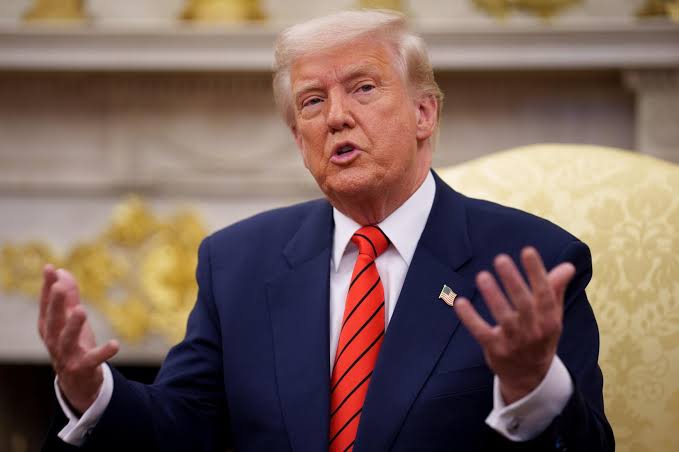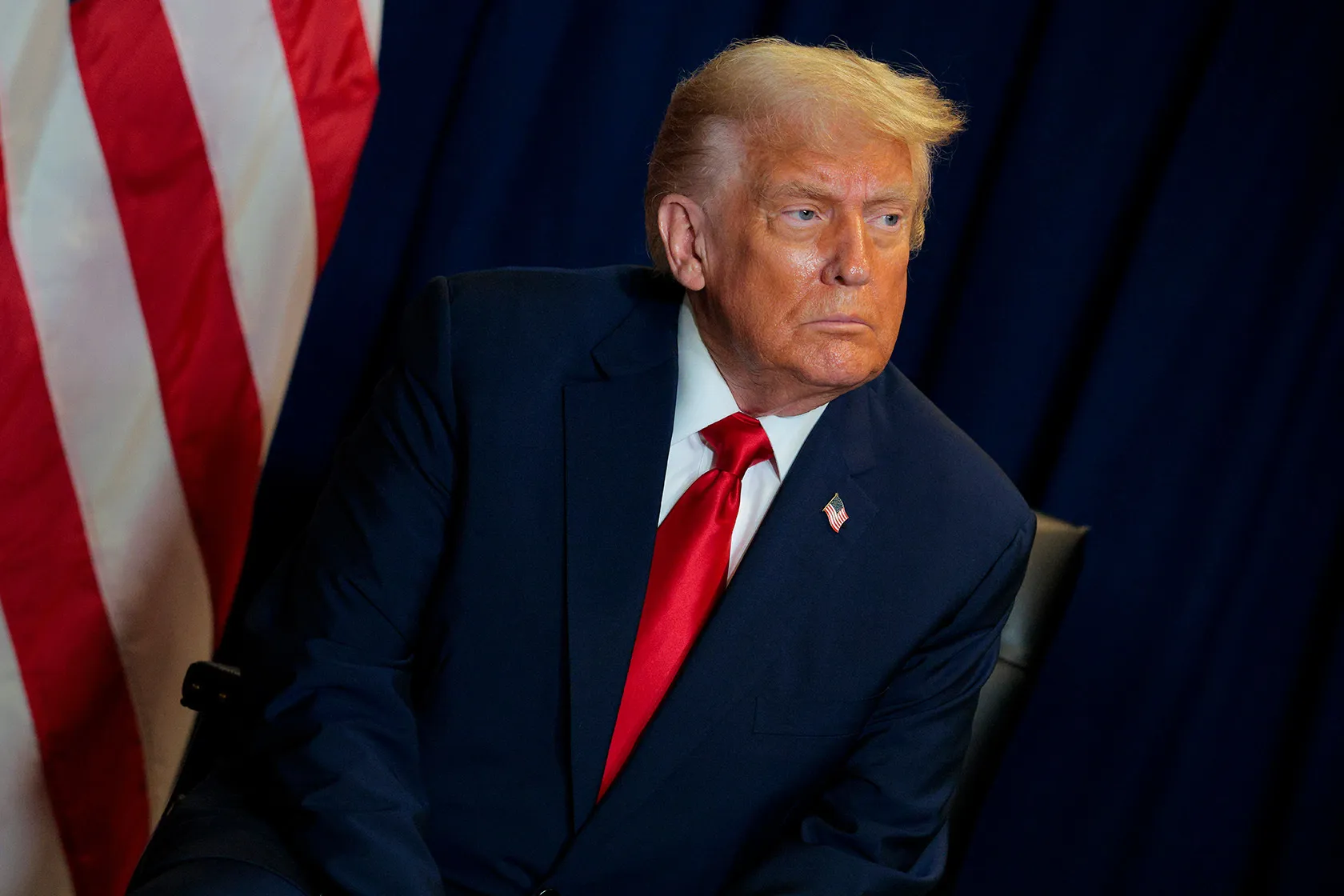
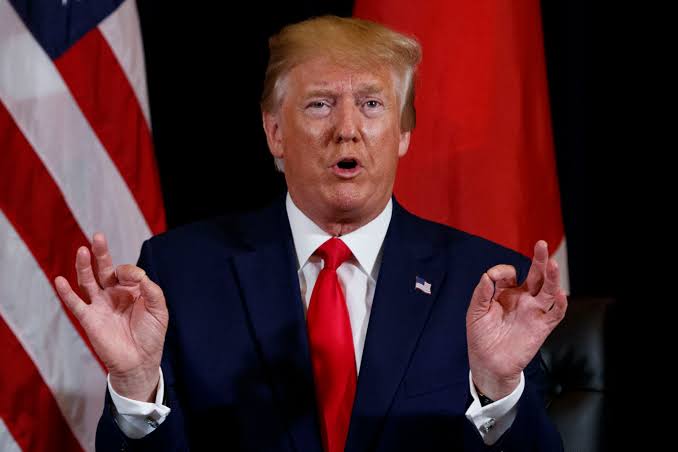
U.S. President Donald Trump signs a proclamation extending full or partial travel restrictions to 39 countries, citing security and vetting concerns.
President Donald Trump on Tuesday expanded the U.S. travel ban to 39 countries, more than doubling the previous list of 19, citing concerns over “severe deficiencies in screening, vetting, and information-sharing,” according to the White House.
The proclamation adds seven nations to the full travel ban: Laos, Sierra Leone, Burkina Faso, Mali, Niger, South Sudan, and Syria. Laos and Sierra Leone had previously faced only partial restrictions.
An additional 15 countries are now subject to partial travel restrictions, including Angola, Antigua and Barbuda, Benin, Cote d’Ivoire, Dominica, Gabon, The Gambia, Malawi, Mauritania, Nigeria, Senegal, Tanzania, Tonga, Zambia, and Zimbabwe.
The expansion also imposes limitations on individuals holding Palestinian Authority-issued travel documents, while lifting a previous ban on nonimmigrant visas for citizens of Turkmenistan, though entry for Turkmen nationals remains suspended.
Exceptions are made for lawful permanent residents, existing visa holders, certain visa categories, and travelers whose entry is deemed in the U.S. national interest, according to the proclamation.
Read Also: Donald Trump Expands U.S. Entry Restrictions To 24 Countries
White House officials said the measure reflects ongoing efforts to strengthen U.S. border security and prevent potential threats from countries deemed to have weak immigration screening systems.
CNN reported earlier this month that Homeland Security Secretary Kristi Noem had recommended widening the list to 30–32 countries, signaling a broader strategy to tighten travel from nations considered high-risk.
The move comes amid heightened domestic security concerns following a recent shooting in Washington, D.C., that killed one National Guard member and critically injured another, prompting the Trump administration to intensify immigration restrictions.
Critics of the policy argue that the expanded restrictions could disrupt global travel, strain diplomatic ties, and disproportionately impact nations already facing economic and political challenges. Supporters, however, view the measure as a necessary step to protect U.S. citizens and allies from potential security threats.
The travel ban expansion represents the latest in a series of aggressive immigration policies under President Trump, highlighting ongoing debates over border security, refugee intake, and the role of the U.S. in global mobility and security enforcement.