Deal cuts tariffs on most exports, expands services access, and aims to double bilateral trade as New Zealand targets India’s vast consumer market Asia.
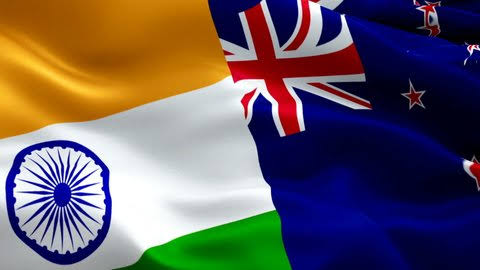
New Zealand and India have finalized a long-awaited free trade agreement, marking a major shift in economic ties between the two countries and opening the door to one of the world’s fastest-growing consumer markets.
The deal will significantly lower trade barriers for New Zealand exporters seeking access to India’s population of about 1.4 billion people. Under the agreement, tariffs will be eliminated or reduced on roughly 95% of New Zealand’s exports to India, with more than half becoming duty-free immediately.
New Zealand officials say the pact is one of the most commercially meaningful trade agreements the country has signed in recent years. It is expected to strengthen economic resilience, diversify export markets, and reduce reliance on traditional trading partners in Europe, North America, and East Asia.
Key New Zealand exports set to benefit include kiwifruit, apples, mānuka honey, seafood, and forestry products. Agricultural exporters, in particular, have long viewed India as a high-potential but difficult market due to steep tariffs and regulatory hurdles.
In return, India will gain broader access to New Zealand’s services sector. The agreement expands opportunities for Indian firms and professionals in areas such as information technology, education, financial services, and digital trade. Officials on both sides say the services component reflects the growing importance of knowledge-based industries in the global economy.
Read Also: New Zealand Opens Dual Immigration Visas For Skilled Migrants
Government projections estimate the deal could lift New Zealand’s annual exports to India by between $1.1 billion and $1.3 billion over the next 20 years. The increase in trade is also expected to support thousands of jobs across farming, manufacturing, logistics, and services.
Beyond direct economic gains, the agreement is seen as a strategic step toward doubling bilateral trade within five years. Trade between the two countries has grown steadily but remains modest compared with India’s commerce with larger economies.
For India, the pact strengthens access to a stable, rules-based economy with advanced agricultural systems and high-quality education services. It also aligns with New Delhi’s broader push to deepen trade ties in the Indo-Pacific region and attract foreign investment.
New Zealand leaders say the agreement reflects a shared commitment to open markets and long-term cooperation. “This is about building a durable economic partnership for the decades ahead,” one senior official said.
While implementation details will be phased in over time, businesses in both countries are already preparing to adjust supply chains and investment plans. Analysts say the deal underscores India’s growing role in global trade and New Zealand’s strategy to position itself more deeply in Asia’s economic expansion.