U.S. President considers executive order to shift cannabis to Schedule III, potentially easing restrictions, boosting research, and opening investment opportunities.
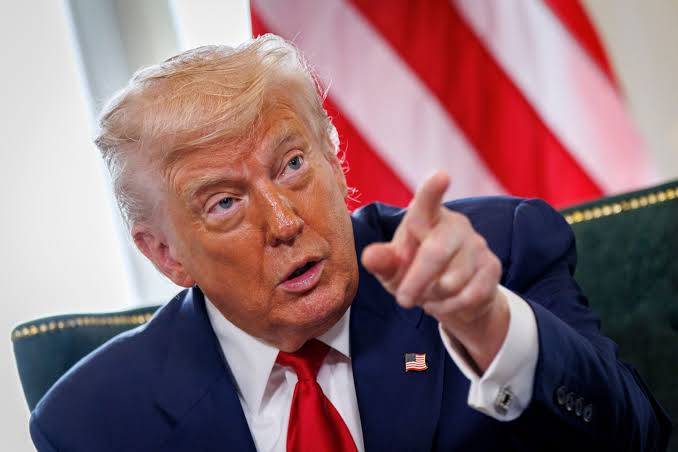
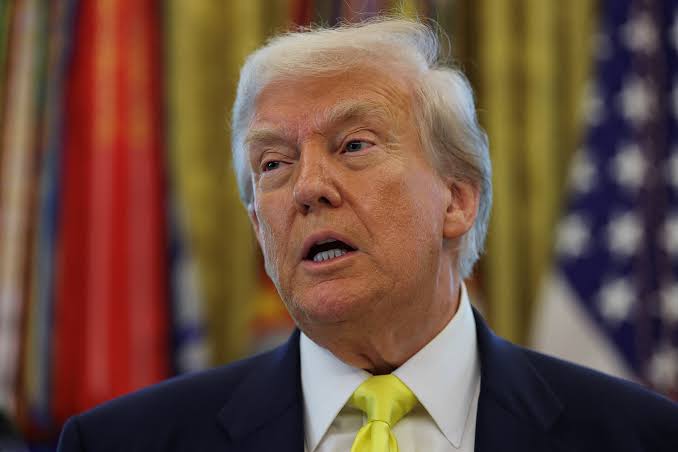
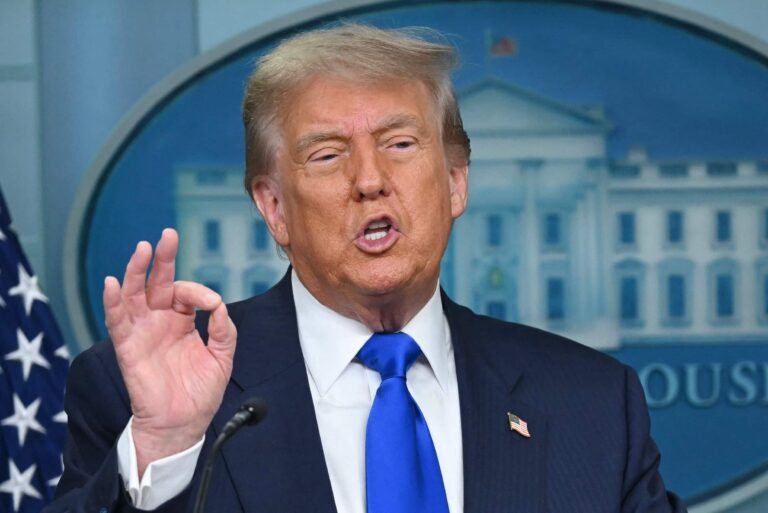
President Donald Trump said Monday December 15, 2025, that he is “looking very strongly” at an executive order to reclassify marijuana, a move that could dramatically reshape the U.S. cannabis industry, reduce criminal penalties, and unlock federal research funding long blocked by current restrictions.
Speaking in the Oval Office, Trump described the potential change as a step toward enabling “tremendous amounts of research that can’t be done unless you reclassify.” Under the current U.S. Controlled Substances Act, marijuana is classified as a Schedule I drug, alongside heroin and ecstasy, implying high potential for abuse and no recognized medical use.
A shift to Schedule III would place marijuana in the same category as common prescription drugs such as codeine, ketamine, and testosterone. Such reclassification would reduce federal oversight, making it easier for producers to secure bank financing and institutional investment while potentially lowering operational costs and taxes.
The news initially sparked a surge in cannabis-related company stocks. However, U.S.-listed cannabis firms—including Canopy Growth, Organigram Global, SNDL, Aurora Cannabis, Trulieve, and Tilray Brands—closed Monday down between 4% and 13%, though values remain higher than before last week’s reports of potential reclassification.
Read Also: Trump Says Birthright Citizenship Was Meant For ‘Slaves’ Only
A spokesperson for Aurora Cannabis described the possible policy change as “a meaningful step forward for the global industry and one that must also come with smart regulation.” Trulieve declined to comment, and other companies did not immediately respond.
A White House official emphasized that “no final decisions have been made on the rescheduling of marijuana,” underscoring that Trump’s statements signal consideration rather than action.
The potential move follows recommendations from the Biden administration’s Department of Health and Human Services last year, which suggested that marijuana be reclassified to Schedule III to facilitate research and reduce regulatory barriers. The final decision rests with the Drug Enforcement Administration.
Analysts say such a change could transform the U.S. cannabis market by normalizing operations and opening avenues for institutional investment, potentially making it one of the most significant federal shifts in marijuana policy in decades.
Despite ongoing federal prohibition, many states have legalized medical or recreational cannabis, creating a fragmented regulatory landscape. Rescheduling marijuana at the federal level could unify enforcement standards and expand research on its medical applications.
For now, Trump’s remarks have signaled to investors, regulators, and advocates that the White House is seriously exploring reforms that could redefine America’s approach to cannabis production, investment, and research.