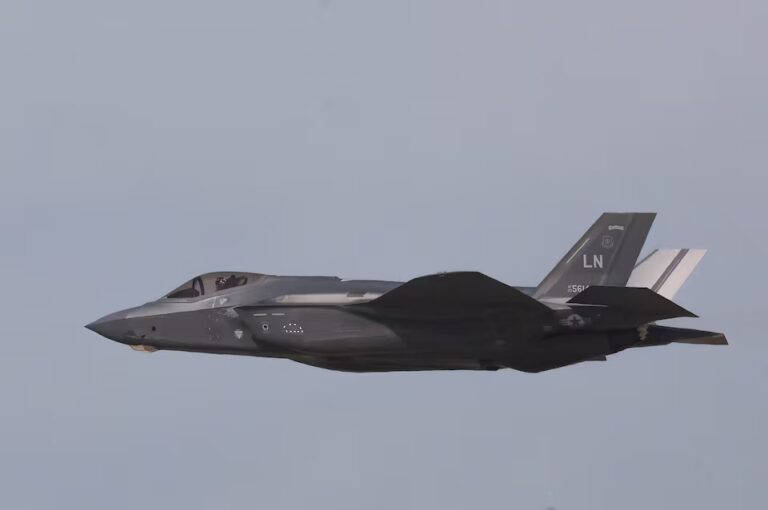
The United States and Turkey are holding renewed talks on Ankara’s possible return to the F 35 fighter jet program, raising hopes of a breakthrough after years of tension triggered by Turkey’s purchase of Russian air defense systems.
The discussions mark the clearest sign yet that Washington and Ankara are testing options to reset defence cooperation following Turkey’s removal from the program and the imposition of US sanctions in 2020.
US Ambassador to Turkey Tom Barrack said discussions are ongoing but stressed that US law remains clear on one core issue. In a post on X, Barrack said Turkey cannot operate or possess the Russian made S 400 missile defense system if it wants to rejoin the F 35 project.
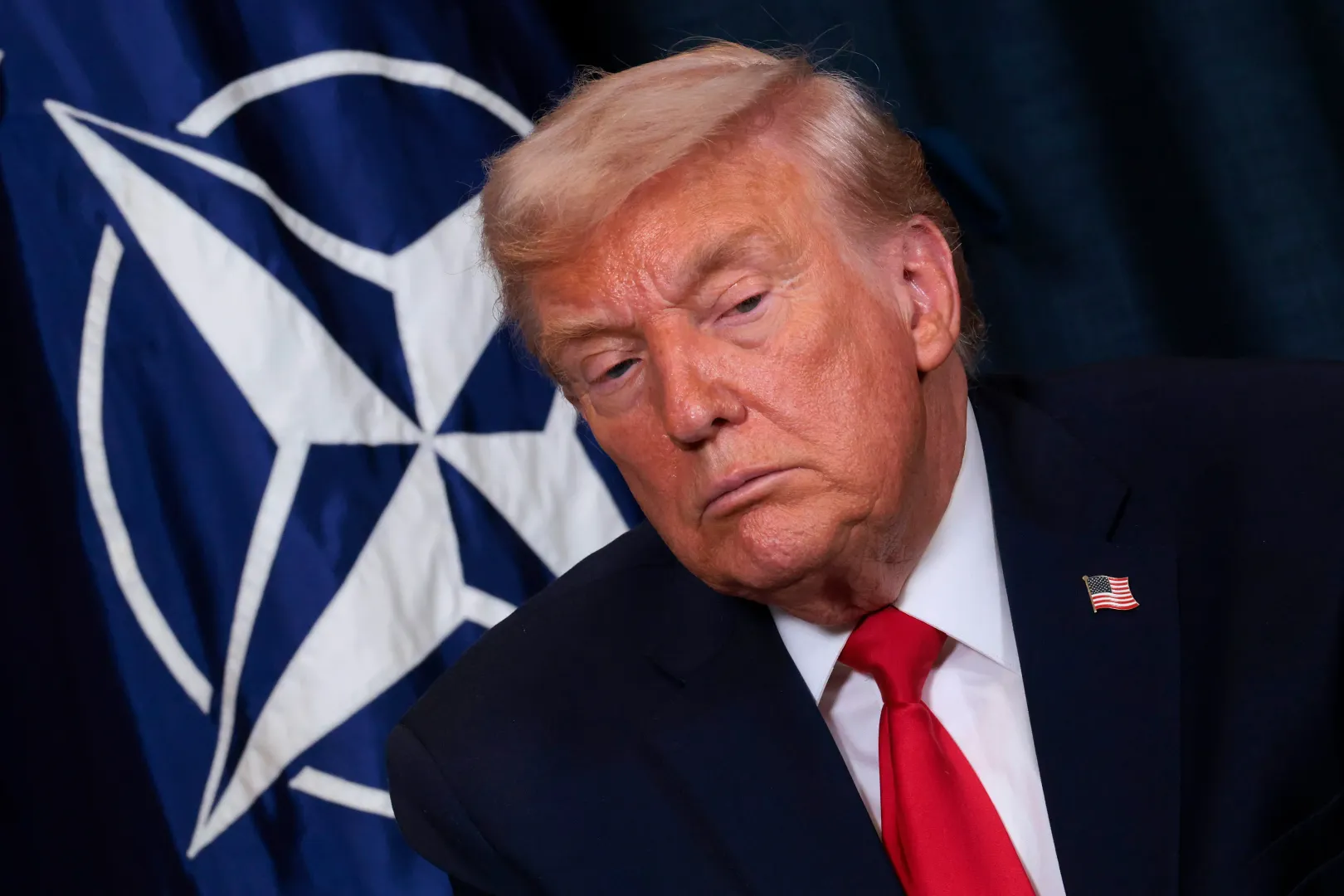
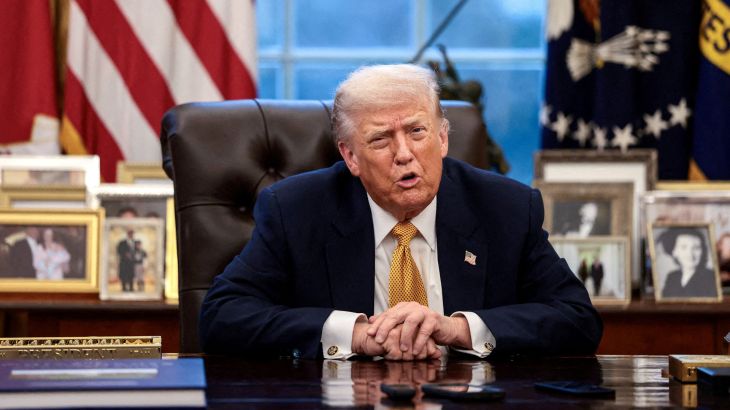
He added that improving ties between US President Donald Trump and Turkish President Recep Tayyip Erdogan have created a more constructive tone. According to Barrack, the current engagement has produced “the most fruitful conversations we have had on this topic in nearly a decade,” adding that Washington hopes the talks will deliver results within months.
Turkey was dropped from the F 35 program after it acquired the S 400 system from Russia, a move Washington said posed risks to the stealth fighter and NATO defence infrastructure. The US also imposed sanctions under federal law.
Read Also: Pope Leo Turkey Visit Highlights Unity Call For Middle East
Turkey has long rejected that position, arguing that the S 400s would not be linked to NATO systems and do not threaten allied security. Ankara has maintained that its removal from the program was unfair.
Turkish Foreign Minister Hakan Fidan told Reuters that he believes the two NATO allies will soon find a way to lift US sanctions, saying joint technical work on the issue has already begun.
Still, Turkey has repeatedly ruled out giving up the S 400 system as a condition for reentry, leaving the issue as the main hurdle in negotiations.
For now, both sides appear focused on dialogue rather than deadlines, with officials framing the talks as a test of whether security concerns and political realities can finally be reconciled.