Elon Musk says SpaceX could handle 99% of global orbital payloads once Starship flies multiple times daily, reshaping the space launch market.
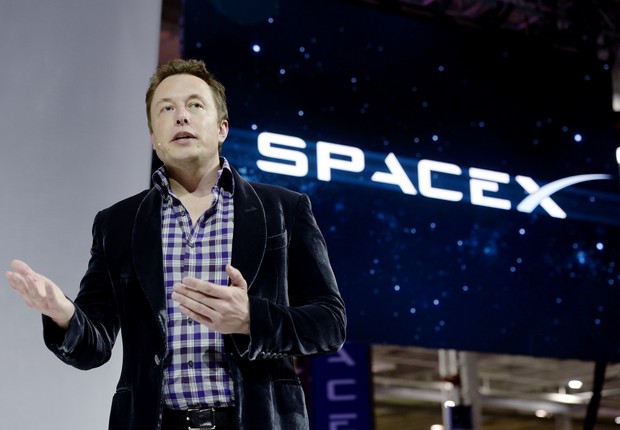
SpaceX CEO Elon Musk has projected that his company could eventually carry nearly all of the world’s orbital payloads, once its Starship vehicle reaches a high-frequency launch schedule.
In a recent post on X, Musk said SpaceX is “accelerating rapidly” and predicted that Starship, flying “several times a day,” could handle about 99% of Earth’s total orbital payload mass—even if rival launch providers triple their current rates.
The comments followed third-quarter launch data highlighted by longtime SpaceX investor Steve Jurvetson. According to Jurvetson, SpaceX already accounts for 97% of the kilograms launched to orbit from the United States and 83% of the global total. By comparison, launches from the eight main Chinese providers make up just 8.6%, while smaller operators, such as Rocket Lab and Israel’s space program, account for a fraction of remaining launches.
Read Also: Elon Musk Warns “Artificial Intelligence” Will Rule Humanity
Musk shared the data alongside his Starship projection, reinforcing the company’s potential to dominate the space launch market once the vehicle enters routine operation. SpaceX completed its 11th Starship test flight in October, moving the vehicle closer to operational readiness.
Long-term, Musk envisions Starship supporting ambitious missions, including cargo transport to Mars by 2030, at an estimated cost of $100 million per ton. He has also floated more speculative ideas, such as deploying 300 gigawatts of solar-powered satellites annually, far surpassing current orbital infrastructure.
For now, SpaceX’s Falcon family of rockets continues to operate at a pace unmatched by competitors. Once Starship is fully integrated, the company’s lift capacity could expand by orders of magnitude, potentially reshaping the global launch market and reducing demand for other providers.
Industry analysts say Musk’s prediction underscores a rapidly consolidating market, where national space agencies and private companies are increasingly reliant on a single operator for orbital access. Questions remain about the broader implications for international space commerce, regulatory oversight, and supply chain resilience if one company captures nearly all Earth-bound payload launches.
As SpaceX moves toward daily Starship flights, the space industry is entering a new era where operational dominance, cost efficiency, and technological scale may redefine what is possible for commercial and scientific missions beyond Earth.