Abia Governor cites surge in state revenues as proof that fair, transparent taxation can spur development when aligned with public trust and accountability.
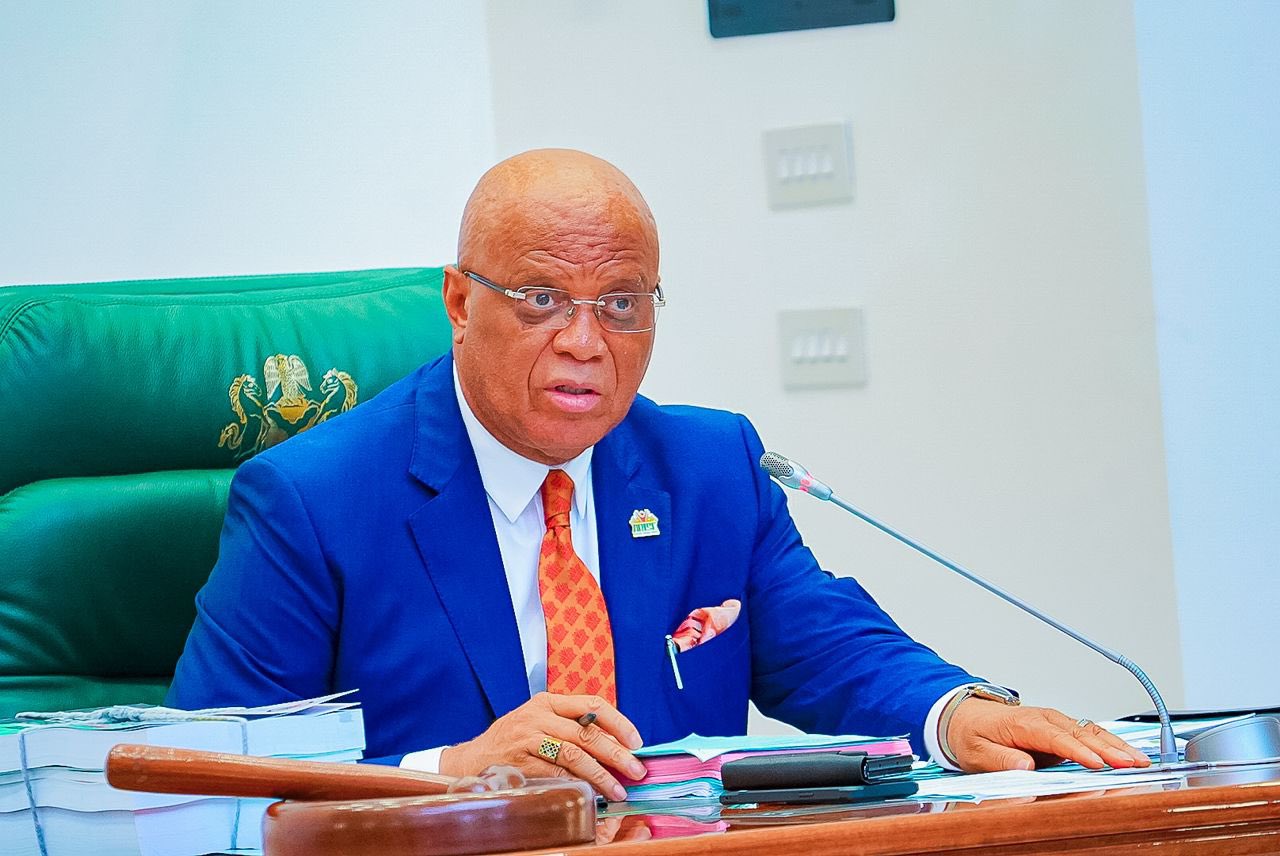
Abia State Governor Alex Otti says taxation must serve as a tool for economic development rather than a mechanism of intimidation, arguing that transparent tax administration has helped his government nearly quintuple the state’s internally generated revenue in less than two years.
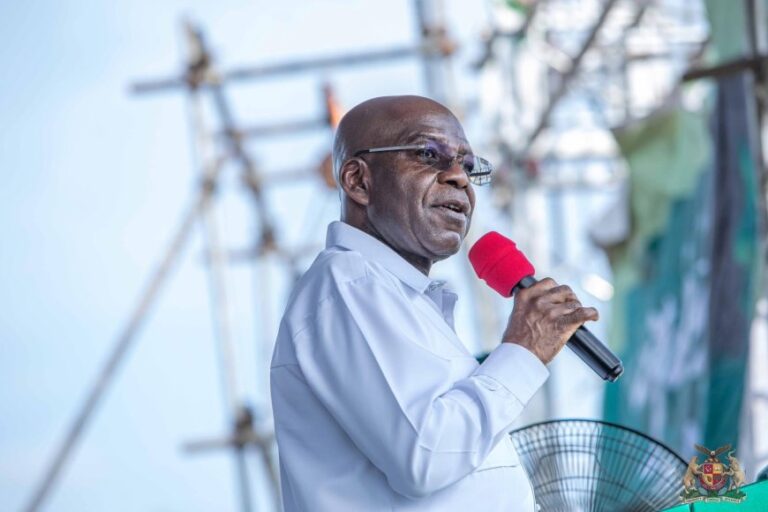
Speaking at the 37th convocation lecture of the Federal University of Technology, Owerri, Otti said Abia’s annual internally generated revenue has risen to nearly ₦100 billion—up from about ₦20 billion before he took office in 2023. The gains, he said, stem from a deliberate shift toward a tax philosophy built on trust, technology, and visible public investment.
Governor Otti—who delivered a lecture titled “Beyond Oil: Exploring Alternative Revenue Potentials for Economic Growth and Sustainable Development in Nigeria”—argued that Nigeria’s long-standing dependence on crude oil has weakened efforts to build a robust, credible tax system. This dependence, he said, has also fueled abuse by political actors and self-styled consultants who intimidate citizens and businesses with arbitrary levies.
“We hardly pay attention to these anomalies because those who should care have found a safe haven in Abuja, where we run every month to share oil money,” he said.
Read Also: Abia Partners With Foreign Firms To Convert Waste Into Wealth
The Governor emphasized that citizens are more willing to comply with tax obligations when they see the proceeds used to support legitimate economic activity. “Taxes are the government’s share of the prosperity they helped create,” he said. “They must be conceived and administered as instruments of development, not extortion.”
Governor Otti said one of his administration’s first actions was to suspend revenue collection from informal businesses for six months while the state focused on rebuilding roads, clearing waste, improving security, and settling salary and pension arrears. During the pause, the state streamlined tax categories, harmonized processes with local governments, and introduced digital payment systems that allow residents to pay remotely.
The updated system, he said, removed room for touts and strengthened transparency, contributing to Abia’s recent recognition as one of Nigeria’s top-ranked states for fiscal performance.
The Governor added that major business owners in Aba have begun voluntarily contributing to state revenues as confidence improves and new investors return to the commercial hub.
Beyond taxation, he urged governments to invest aggressively in solid minerals, agriculture, and other non-oil sectors, warning that overreliance on petroleum has stifled employment and long-term growth.