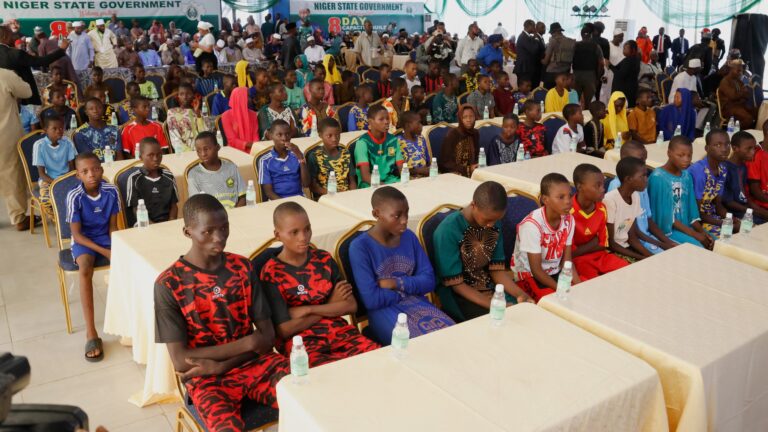
For families in the quiet farming town of Papiri, the news arrived the way hope often does in Nigeria’s troubled middle belt — in murmurs, then in a rush. Officials confirmed on Monday that nearly 100 schoolchildren, kidnapped in a sweeping raid last month on St. Mary’s Catholic School, had been released after weeks of uncertainty and fear.
The state police chief, Adamu Abdullahi Elleman, and Bishop Bulus Dauwa Yohanna, who oversees the school, told the BBC they had been informed of the children’s release by the national security adviser. Still, the timeline for their return home remains unclear, and even the bishop admitted he does not know where the children are at the moment.
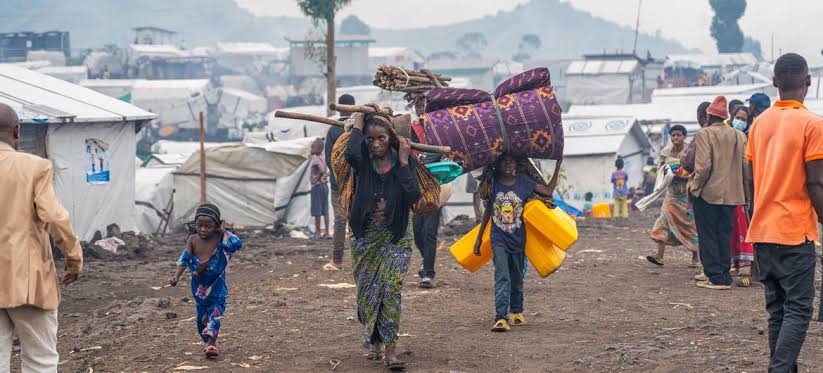
More than 250 students and a dozen staff were seized on 21 November, part of a grim pattern that has become familiar in northern and central Nigeria. The attack came amid a string of similar kidnappings — churchgoers taken during worship, Muslim students seized from their dormitories, families ambushed on dusty rural roads. The motives often blur together, but the trauma lands in the same place: communities already stretched thin by violence and thinly resourced security agencies.
Details of the children’s release remain closely held. Officials have not said whether the authorities negotiated with the abductors, paid a ransom, or used force. Governor Abdullahi Sule of neighboring Nasarawa state suggested the federal government played the decisive role, but insisted the methods could not yet be disclosed.
The back-channel efforts became more visible last week when National Security Adviser Nuhu Ribadu visited Papiri, promising anxious families that the children would return soon. That assurance, at least, has now been partly fulfilled.
Read Also: Court Jails Woman Who Blackmailed Son Heung-min
Though Nigeria has outlawed the payment of ransoms, many citizens believe money continues to change hands — a shadow economy that has emboldened criminal networks. Some analysts trace the violence to loosely organized bandit groups; others point to jihadist elements seeking new footholds. The government maintains both could be involved.
The country’s overlapping crises briefly drew global attention last month when former U.S. President Donald Trump warned that Washington might intervene if Nigeria “continues to allow the killing of Christians.” Nigerian officials pushed back, noting that victims cut across religion and ethnicity — a reminder that insecurity here is less about identity than about a nation struggling to protect its own.