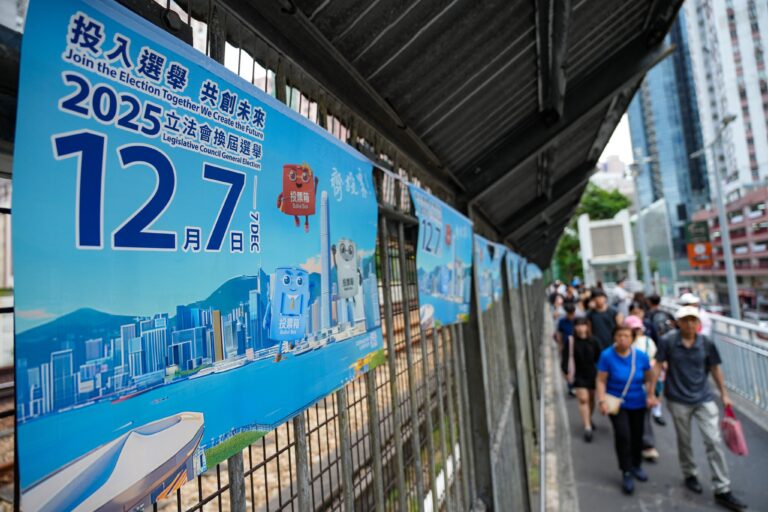
Hong Kong residents headed to the polls on Sunday for a Legislative Council election overshadowed by the city’s deadliest fire in nearly eight decades. Officials tightened security and appealed for calm as public anger over the tragedy, which killed at least 159 people, threatened to depress turnout and deepen distrust in the government.
The vote is the latest under Hong Kong’s overhauled electoral system, which allows only China-vetted “patriots” to run for office. With opposition voices sidelined and residents still reeling from the November 26 blaze, the election has become a critical test of public sentiment and Beijing’s political grip on the city.
In Tai Po, a northern district near the mainland border, police maintained a heavy presence around Wang Fuk Court, the residential complex where the fire burned through seven towers before being extinguished nearly two days later. About 100 officers patrolled the neighborhood early Sunday as investigators continued examining how substandard building materials used during renovations may have accelerated the flames.
The government has launched criminal and corruption probes, and officials have promised to determine accountability. A sign posted at a makeshift memorial outside the charred estate said authorities planned to clear the area after polls closed at midnight—a signal, residents said, of anxiety over public demonstrations.
Some residents expressed deep frustration with the government’s handling of the disaster and the broader political climate.
Cheng, a man in his late 70s who lives near the burned-out towers, said he had no intention of voting.
“I’m very upset by the great fire,” he said during a morning walk. “This is a result of a flawed government. There is not a healthy system now, and I won’t vote to support those pro-establishment politicians who failed us.”
He declined to share his full name, citing fears of retaliation for criticizing authorities.
The government criminalized publicly encouraging election boycotts in 2021 as part of sweeping political reforms. Since then, turnout has fallen sharply, especially among the pro-democracy electorate, which historically made up roughly 60% of voters.
Beijing’s national security office in Hong Kong issued a strong warning ahead of the vote, saying it would crack down on any “anti-China” activity related to the fire. The office also cautioned residents not to use the tragedy to “disrupt Hong Kong.”
According to local reporting, national security officials met senior editors from several foreign media outlets on Saturday and warned them not to “spread false information” or “smear” the government’s response to the disaster.
Sunday’s vote is the third major election since Beijing reshaped Hong Kong’s political system following the 2019 mass pro-democracy protests. The 2021 overhaul required all candidates to undergo a vetting mechanism to ensure they are “patriots,” effectively eliminating opposition participation.
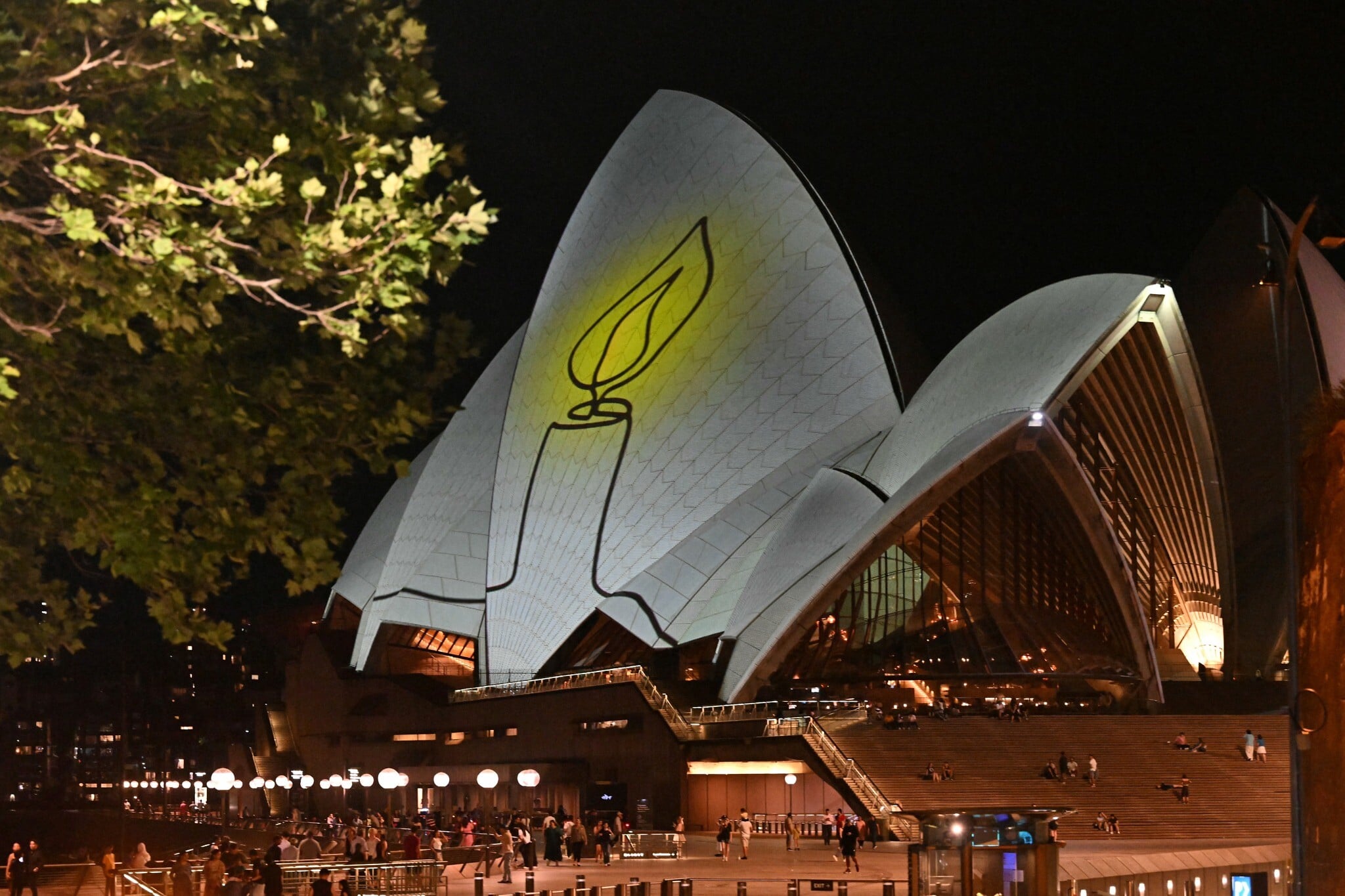
Read Also: Three Days Of Mourning To Begin After Hong Kong Fire Tragedy
The 90-seat Legislative Council now features limited avenues for political diversity, a shift analysts say has further narrowed space for public dissent. With the city still grieving and distrust running high, officials pushed for a robust turnout to demonstrate confidence in the system.
“We absolutely need all voters to come out,” one pro-establishment campaigner told local reporters earlier in the week. “The world is watching Hong Kong.”
Authorities have not announced when preliminary turnout figures will be released. Investigations into the fire—one of Hong Kong’s worst disasters since the 1940s—are expected to continue for months, with the potential for wide-ranging legal and political consequences.