Kenya and the United States have finalized a five-year, $2.5bn health partnership that will direct major funding toward infectious disease programs, marking Washington’s first government-to-government health pact since President Donald Trump reshaped US foreign aid earlier this year.
The agreement is designed to shift US health financing away from aid agencies and into direct cooperation with national governments. It also places Kenya at the front of a new US global health strategy that ties long-term funding to closer political alignment.
The deal has prompted fresh debate inside Kenya, where civil society groups and legal experts are questioning whether it could grant Washington access to sensitive medical databases.
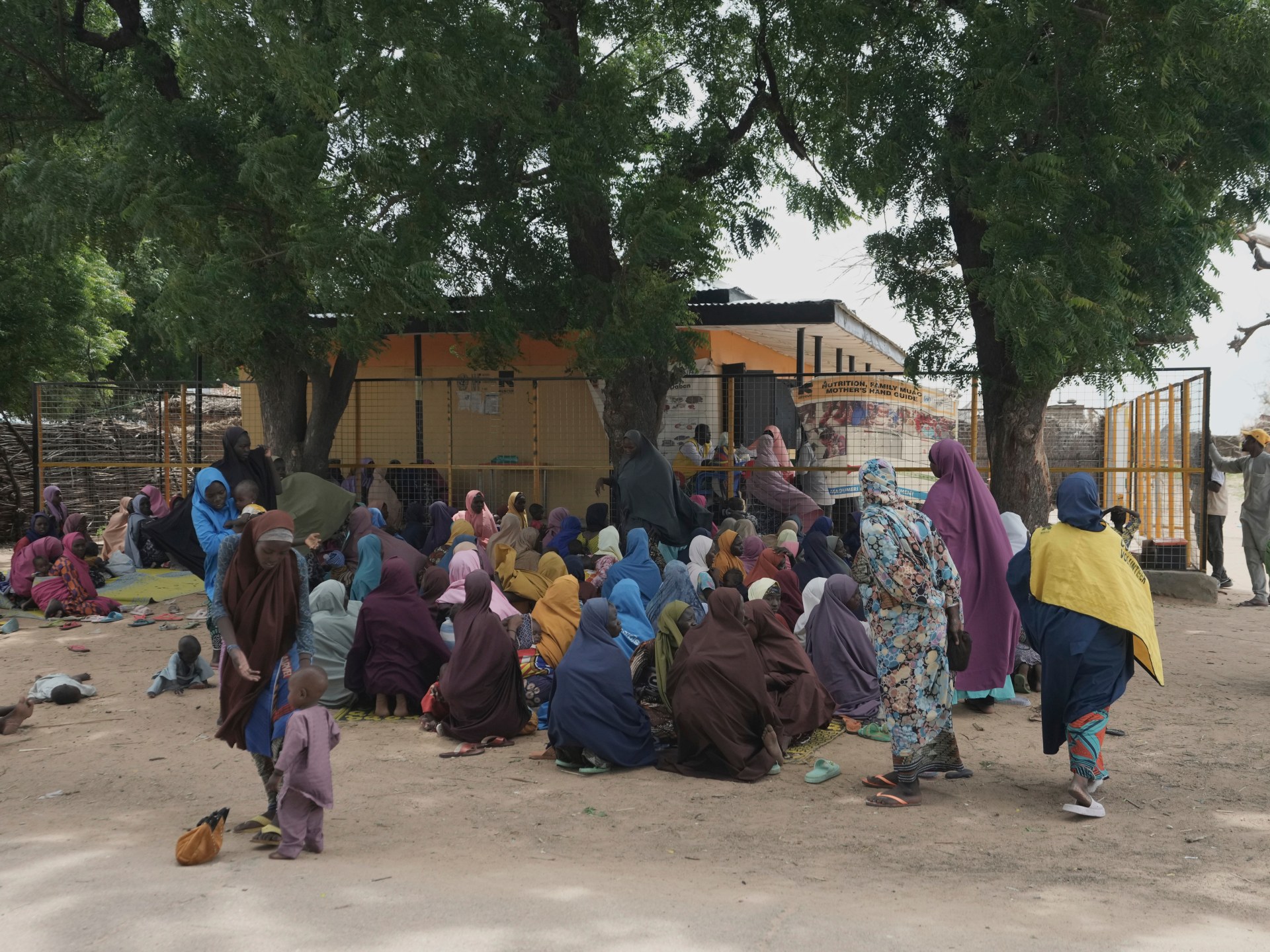
Under the agreement, the US will contribute $1.7bn, while Kenya will add $850m and gradually assume a larger share of responsibility. The funding will support programs targeting HIV/Aids, malaria, tuberculosis, maternal health, polio eradication, and outbreak preparedness.
Read Also: Batuk Kenya Inquiry Finds Major Gaps In Military Oversight
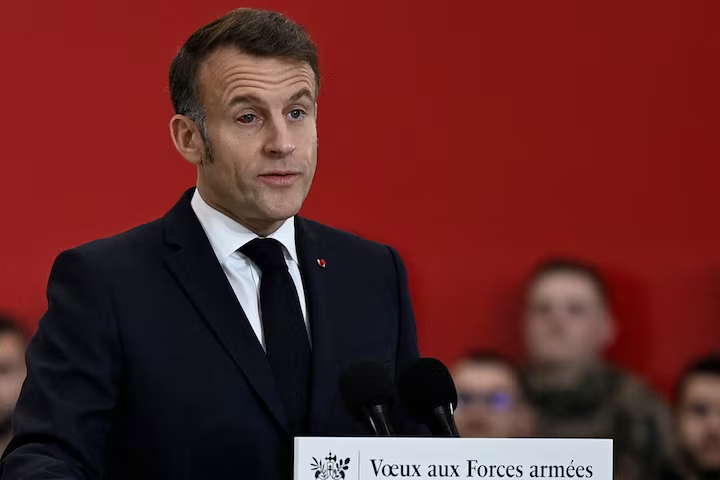
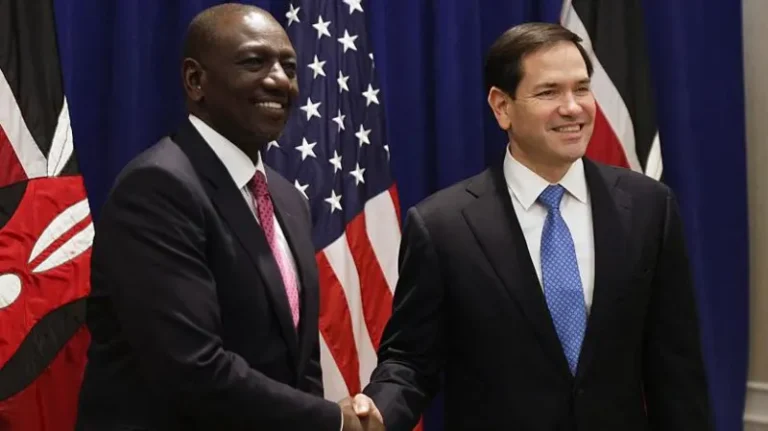
Speaking at the signing ceremony, US Secretary of State Marco Rubio described the pact as a “landmark agreement” and praised Kenya as a “longstanding American ally.” He also commended Nairobi for leading a UN-backed mission in Haiti.
“If we had five or 10 countries willing to step forward and do just half of what Kenya has done already, it would be an extraordinary achievement,” Rubio said.
Rubio explained that the Trump administration wants US global health funding to bypass international NGOs and flow directly to partner governments. “We are not going to spend billions of dollars funding the NGO industrial complex,” he said, arguing that countries like Kenya should hold greater influence over how health money is allocated.
The deal sparked immediate concerns from Kenyan lawyers, activists, and several whistle-blowers who fear the US could obtain real-time access to patient-level data, including HIV status, treatment history, and biometric information.
“What specific data categories are being shared?” lawyer Willis Otieno asked on X, calling for full disclosure of the pact’s contents.
Whistle-blower Nelson Amenya echoed the demand, urging the government to publish the full document “so we can read it for ourselves.”
Kenya’s Health Minister Aden Duale moved quickly to address the criticism, insisting that the agreement protects all sensitive information. He said the US would receive only “de-identified, aggregated data,” stressing that “your health data is a national strategic asset.”
The agreement follows sweeping changes made by Trump since taking office in January. On his first day, he froze all foreign aid during a government spending review, dissolved USAID in its previous form, and introduced strict conditions on future health financing. The shift has contributed to shortages of some essential medicines across developing countries, according to aid organizations.