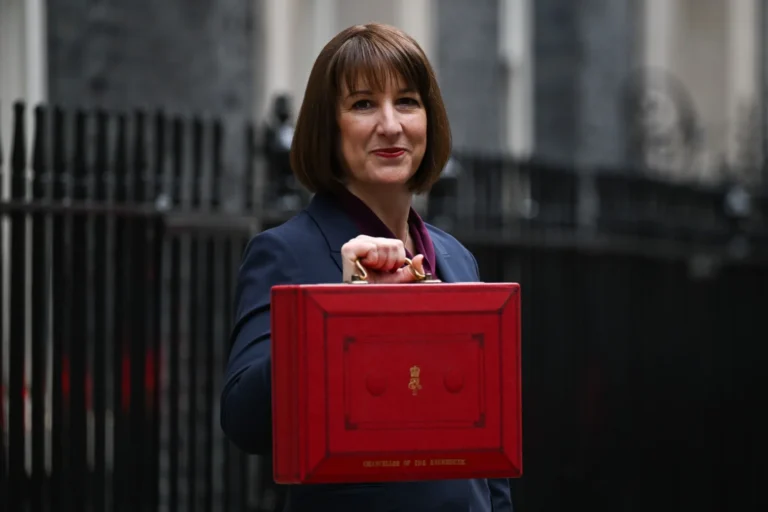
UK Budget leak inquiry efforts gained momentum on Wednesday as Chancellor Rachel Reeves threw her weight behind a formal investigation into a series of unauthorised disclosures that unsettled businesses, alarmed consumers, and moved financial markets in the run up to the November 26 Budget.
The chief secretary to the Treasury, James Murray, told Parliament that the inquiry is already under way and is being led by James Bowler, the Treasury’s most senior civil servant. Murray said the probe had the “full support of the chancellor” and the entire Treasury team.
The leaks ranged from plans to freeze income tax thresholds and a pay per mile charge on electric vehicles to proposals for a tourist levy. Reports also surfaced about a possible rise in income tax rates and a downgrade in productivity forecasts from the Office for Budget Responsibility. Several of these reports circulated before the government presented the Budget to Parliament, breaking long standing convention.
House of Commons Speaker Sir Lindsay Hoyle sharply criticised the repeated disclosures, calling it a “hokey cokey Budget.” He reminded ministers that fiscal policy must be presented to Parliament before it reaches the public.
Dame Meg Hillier, who chairs the Treasury Select Committee, pressed Murray over whether the inquiry would deliver meaningful accountability. “Leak inquiries often end without anyone being held responsible. If somebody is found responsible, will they follow the example of Richard Hughes and resign,” she asked. Murray said he would not “speculate on the outcome of the leak inquiry.”
Read Also: German State Visit To UK Begins With Royal Welcome At Windsor
Hughes, who served as chairman of the Office for Budget Responsibility, stepped down on Monday after the watchdog accidentally released a key document ahead of the chancellor’s speech on Budget day. The early release confirmed several measures before Reeves could announce them.
The flow of pre Budget headlines influenced UK bond markets, which determine how much the government pays in interest on its debt. A Barclays survey ahead of the fiscal event showed that more than half of business leaders delayed investment decisions during the two month period before the Budget.
The leaks also appeared to shape public behaviour. Mark FitzPatrick, chief executive of St James’s Place, one of the country’s largest pension providers, told Radio Four’s Today program that “hundreds of thousands” of people withdrew part of their pension savings earlier than planned. He blamed the speculation surrounding potential tax changes in the lead up to the Budget. “The run up to the Budget this time had a lot of speculation, and people act on speculation,” he said. “Flying kites is unhelpful when it affects people’s lives.”
Bowler’s inquiry will assess current security procedures and provide recommendations ahead of future fiscal events. Ministers have not confirmed when the findings will be published, but the government has faced sustained pressure from MPs to restore confidence in the Budget process.