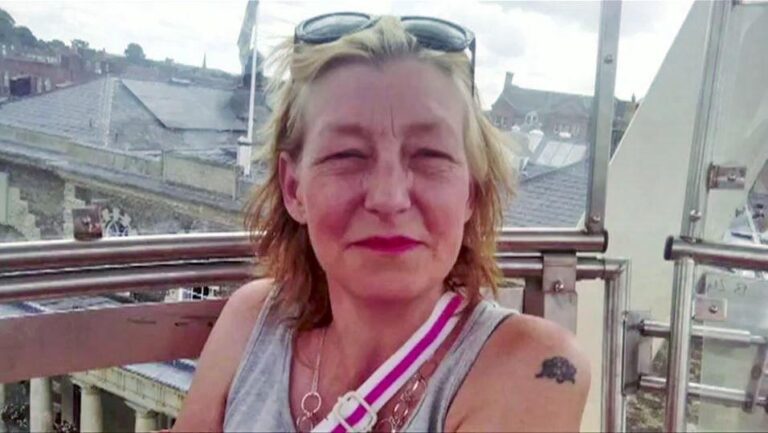
A public inquiry in the United Kingdom will on Thursday issue its final report on the death of Dawn Sturgess, the woman who was fatally exposed to the Novichok nerve agent months after the attempted killing of former Russian intelligence officer Sergei Skripal in 2018.
The Novichok inquiry findings will close a lengthy process examining how a banned military-grade toxin entered Britain, how it ended up in a counterfeit perfume bottle, and why an innocent civilian died in an incident that sparked one of the most serious diplomatic standoffs between London and Moscow since the Cold War.
Skripal and his daughter Yulia were found unconscious on a bench in the southern English city of Salisbury in March 2018. British investigators said the nerve agent had been placed on the front door handle of Skripal’s home.
Both survived, as did a police officer who became ill after responding to the scene. According to evidence presented at the inquiry, the fake perfume bottle used to transport the toxin contained enough Novichok to kill thousands of people.
Four months later, Sturgess, a 44-year-old mother of three, died after her partner discovered the bottle and brought it home. She sprayed the contents on her wrist, unaware of what it contained.
British authorities have charged three Russian nationals in absentia, identifying them as officers of Russia’s GRU military intelligence service. The men have denied any link to the poisoning, telling Russian television they were tourists visiting Salisbury’s cathedral.
In evidence submitted to the inquiry, Skripal accused Russian President Vladimir Putin of approving the attack. “I believe Putin makes all important decisions himself. I therefore think he must have at least given permission for the attack on Yulia and me,” he said.
Read Also: UK Budget Leak Inquiry Gains Support From Reeves
Moscow has rejected every accusation, saying Britain is promoting anti-Russia rhetoric.
The inquiry reviewed classified testimony from UK security agencies, including material relating to Skripal’s past work with British intelligence and his life in the UK following a spy swap in 2010. The Skripals did not appear in person, with inquiry officials citing concerns for their safety.
The 2018 incident led to coordinated expulsions of Russian diplomats across Europe and North America. Ties between London and Moscow have grown even more strained since Russia’s full-scale invasion of Ukraine in 2022, with Britain supplying Kyiv with significant defence support.