A senior US Navy admiral authorised a second strike on an alleged Venezuelan drug boat in early September, a decision now under intense scrutiny after reports suggested two survivors were killed while clinging to the burning vessel. The White House confirmed the order, setting off a wave of concern from both parties in Congress about the legality of the mission.
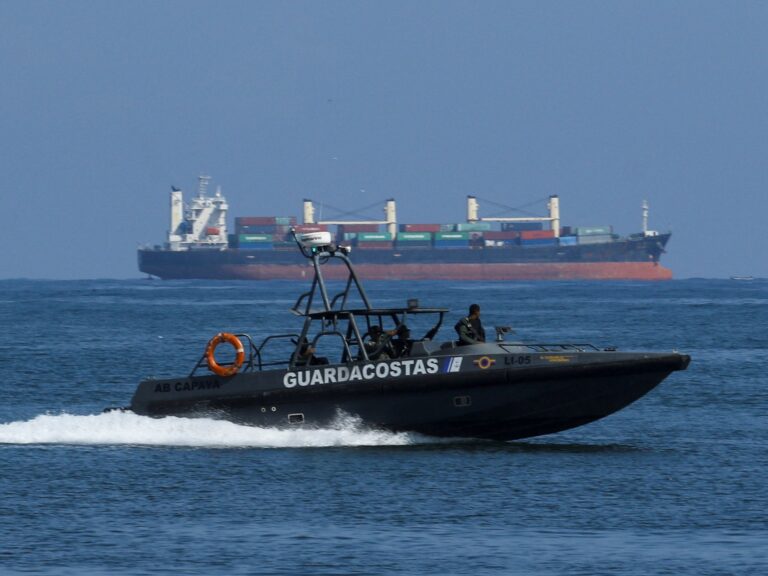
The focus of the growing controversy is the 2 September operation in the Caribbean Sea, where US forces have carried out repeated lethal actions against what the Trump administration describes as narcotics transport craft. More than eighty people have died in similar incidents since the start of September, yet officials have released limited information about who was on board or what evidence supported the narcotics claims.
White House Press Secretary Karoline Leavitt told reporters that Defence Secretary Pete Hegseth approved the strikes but did not issue any instruction to harm all those present on the vessel. She said Admiral Frank Bradley acted within his authority when he ordered the second strike, though she declined to confirm whether survivors were present after the initial blast.
Lawmakers from both parties have demanded a full accounting of the mission, citing a Washington Post report that said two people survived the first hit and were killed in the follow up attack. Senator Jacky Rosen of Nevada said that if the claims prove accurate, Hegseth should leave his post. She argued that ordering a strike on incapacitated people could amount to a serious breach of the laws of war.
Members of the Senate Armed Services Committee called for Hegseth and Attorney General Pam Bondi to release the Office of Legal Counsel opinion that outlines the legal reasoning for these operations. Some legal scholars have already questioned whether the campaign complies with international humanitarian principles.
During the press briefing, Leavitt said President Donald Trump and Hegseth consider groups involved in narcotics transport to be lawful military targets. She would not address reports that the second strike specifically targeted survivors. Media accounts that Hegseth instructed forces to kill everyone on the vessel have fuelled debate over whether the United States is following established wartime rules.
Read Also: Trump Call With Maduro Sparks Fresh Questions Over Venezuela
Hegseth rejected the accusations in strong terms on social media, saying the claims were fabricated and unfair. He wrote that Admiral Bradley has his complete support and praised him for decisions made during the 2 September mission and subsequent operations.
Committees in both chambers have already moved toward formal reviews. Senator Roger Wicker, the Republican chair of the Senate Armed Services Committee, said lawmakers intend to question the admiral responsible for the mission and to request audio and video records that capture the orders given at the time. The House Armed Services Committee has also announced a bipartisan effort to gather a full record.
US operations in the region have intensified in recent months as part of what the administration calls an anti narcotics campaign. Trump said last week that efforts to block Venezuelan trafficking by land would begin soon.
The situation intensified further when Trump confirmed he had spoken briefly with President Nicolás Maduro last month. During the call, he urged Maduro to step down and leave the country with his family. Reports from Reuters and the Miami Post say Maduro asked for amnesty for his inner circle and sought to retain control of the military after stepping aside. Trump rejected both requests. This detail has not been confirmed.