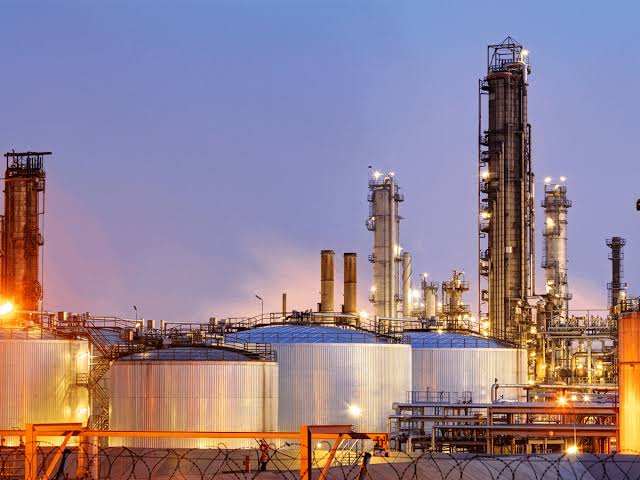
PETROAN says talks are underway for private investors to manage the Port Harcourt refinery under a new LNG-bonding model, with operations eyed for 2026.
Private investors are preparing to take over part of the management of the Port Harcourt refinery under a new LNG-bonding framework, according to the Petroleum Products Retail Outlets Owners Association of Nigeria (PETROAN). The move marks one of the most significant steps toward opening Nigeria’s downstream sector to broader private participation and improving supply efficiency.
Dr. Joseph Obele, PETROAN’s National Public Relations Officer, said negotiations with an unnamed international oil company have reached nearly 60% completion. If talks progress on schedule, production at the refurbished Port Harcourt facility could begin by March 2026. The refinery, which has been under preservation following federally funded rehabilitation work, is expected to benefit from private-sector operational management aimed at boosting performance and reducing waste.
“Right now, only one refinery operates privately. Increased competition will benefit consumers with better prices,” Obele said, referring to the Dangote Refinery, currently the country’s dominant private producer.
Read Also: NNPCL Profit Soars To 91% Despite Falling Oil Output In Nigeria
Obele also addressed ongoing fuel price differences across the country, noting that stations in Rivers State face higher transportation costs. While the Dangote refinery delivers fuel at no transport cost to hubs in Lagos and Abuja, independent marketers in Rivers State reportedly pay as much as ₦2.6 million per truck for transportation alone, pushing retail prices above national averages.
The Dangote refinery recently increased its daily fuel output from earlier levels of 25–30 million liters to around 45 million liters starting December 1, 2025. The company said the expanded production aims to stabilize fuel availability ahead of the festive season, when demand typically rises.
Despite these developments, Obele warned that Nigeria’s fuel prices remain unacceptably high. “It is unacceptable for Nigerians to pay over ₦900 per liter,” he said, urging greater competition and improved regulatory clarity to reduce consumer costs. He expressed optimism that increased private participation in refining would lead to fairer prices in the near future.
Industry analysts say the partial handover of operational duties at the Port Harcourt refinery could become a test case for broader reforms in the sector. Nigeria, Africa’s largest crude producer, has long struggled with limited refining capacity, forcing the country to rely heavily on imported fuel.
Obele, who lectures in marketing and petroleum economics at Ignatius Ajuru University of Education, said the success of the new model will depend on transparent oversight and a stable policy environment.