
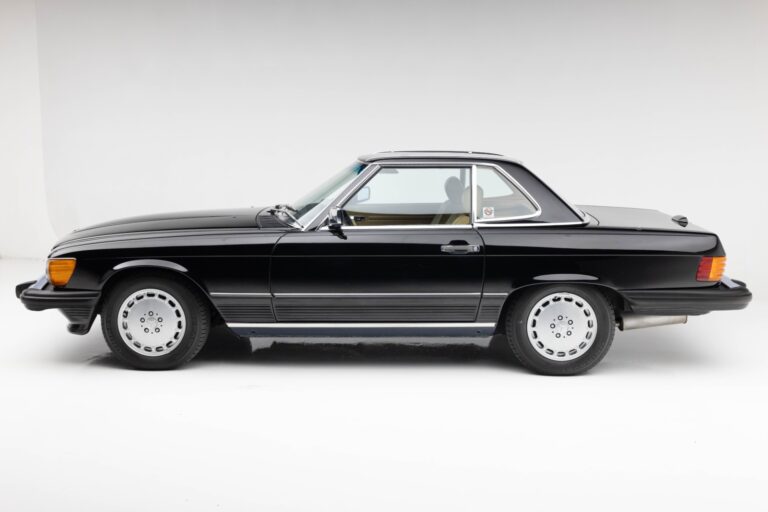
UK Government retains historic Vehicle Excise Duty exemption, preserving relief for 350,000 classic vehicles and easing industry fears of new charges.
UK government will retain long-standing tax exemptions for classic cars, ending months of speculation that owners of historic vehicles could soon face new charges. The decision preserves a policy that allows cars and motorcycles more than 40 years old to avoid paying Vehicle Excise Duty (VED), a rule seen as essential to sustaining Britain’s multi-billion-pound classic car sector.
Concerns grew ahead of the upcoming Budget after Conservative MP Richard Holden warned that the exemption might be scrapped. Industry groups had said any reversal would place disproportionate costs on owners and undermine a sector that supports tens of thousands of jobs.
The Historic & Classic Vehicles Alliance (HCVA) and Hagerty UK, two major organizations representing classic car owners and specialists, confirmed they expect no change to the policy. Their understanding is that Treasury officials, including Chancellor Rachel Reeves, will keep the exemption intact.
Dale Keller, chief executive of the HCVA, welcomed the move, arguing that classic cars pose minimal environmental impact when compared with modern manufacturing.
“Preserving the exemption aligns with the government’s wider environmental goals,” he said. “These vehicles are used sparingly and have already contributed their share of tax decades ago. Applying VED now would be disproportionate.”
Read Also: “UK Drivers Face £5,000 Fines For Unsecured Christmas Trees”
Under the current rolling system, vehicles become exempt once they reach 40 years from their date of first registration. Beginning in 2025, cars registered in 1985 will qualify, with 1986 models following a year later. The policy provides cost savings for enthusiasts while maintaining regulations that ensure classic vehicles remain roadworthy.
The UK is estimated to have 1.9 million classic cars and motorcycles, including more than 350,000 that meet the 40-year threshold. The sector has long served as a cultural touchstone, supporting restoration businesses, heritage groups, motorsport events and specialist engineering companies.
However, industry leaders say they remain cautious. Mark Roper, managing director of Hagerty UK, noted that broader changes to the transport tax system could still affect classic vehicle owners. The government plans to introduce pay-per-mile charging for electric and plug-in hybrid vehicles in 2028, prompting concerns that classic cars could eventually be targeted as fuel-duty revenues decline.
“In an age of electrification, classic cars are often viewed unfairly,” Roper said. “Yet they represent sustainable motoring at its purest. The classic car industry contributes £7.3 billion ($9.5 billion), in value and £3 billion ($3.9 billion), annually to the UK economy, supporting more than 100,000 jobs.”
For now, the decision offers clarity for collectors, restorers and hobbyists who feared sudden financial burdens. Industry organizations say the exemption not only protects a significant economic sector but also preserves a piece of the country’s industrial and cultural history.