Lagos High court has ordered MultiChoice Nigeria to compensate a DStv subscriber with N5 million for unlawful service disconnection, underscoring stronger consumer rights.
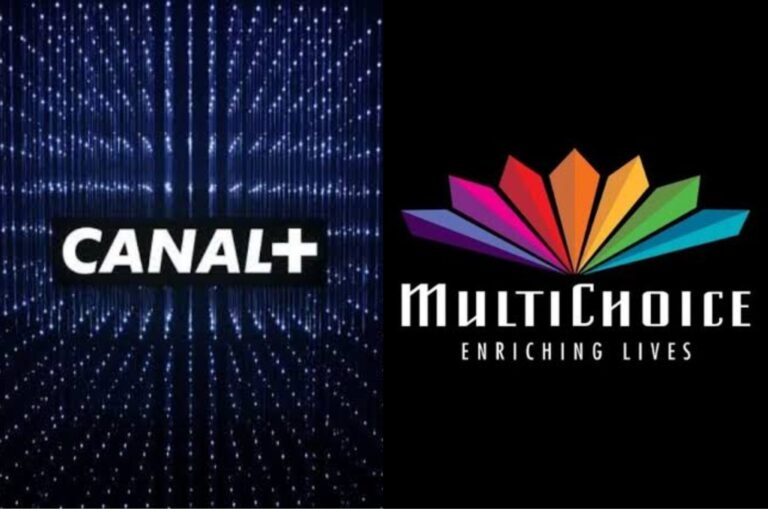
A Lagos State High Court has ordered MultiChoice Nigeria, the operator of DStv, to pay N5 million ($3,439) in damages to a subscriber whose television service was wrongfully disconnected despite evidence of valid payment.
The landmark ruling, delivered by Justice Razak Olukolu, directed MultiChoice to immediately restore the subscriber’s service and extend his viewing period to cover the days lost during the illegal disconnection.
The case was brought by Ben Onuora, a Lagos resident who provided proof that his DStv subscription remained active at the time of the cut. In his ruling, Justice Olukolu described the company’s actions as “wrongful and willful,” stating that the subscriber’s rights as a consumer were violated.
The decision marks a significant victory for Nigerian consumers in their ongoing struggle against unfair treatment by major service providers. It also highlights the expanding influence of Nigeria’s consumer protection framework, strengthened by the Federal Competition and Consumer Protection Act of 2018 and subsequent 2022 amendments.
Read Also: MultiChoice: Slashes DStv Decoder Prices By Up To 40 Percent
Following the judgment, the Federal Competition and Consumer Protection Commission (FCCPC) welcomed the ruling, calling it a milestone in the enforcement of consumer rights in the country. The commission noted that it had facilitated more than N10 billion ($6.9 million) in recoveries for aggrieved consumers since March this year.
“This judgment reinforces the fundamental principle that service providers must act responsibly and treat customers with fairness and respect,” the FCCPC said in a statement released after the verdict.
Consumer advocates have long criticized MultiChoice and other major utility providers for abrupt service interruptions, opaque billing systems, and limited customer redress options. The latest ruling, legal analysts say, may compel companies to strengthen their internal complaint mechanisms and compliance with consumer protection laws.
The decision also reflects a broader shift in Nigeria’s judicial and regulatory approach toward ensuring corporate accountability and safeguarding consumer interests.
For many Nigerians, the case has become a symbol of growing legal empowerment in the face of corporate excesses — a reminder that even large multinational operators must answer to the law when customer rights are breached.