“When prevention is buried, we dig.”
An Investigative Series by Prof. MarkAnthony Nze
Investigative Journalist | Public Intellectual | Global Governance Analyst | Health & Social Care Expert | International Business/Immigration Law Professional
Editorial Statement
Hypertension has become Africa’s silent epidemic, creeping into cities and villages with devastating consequences—yet rarely commanding the urgency it deserves. Too often, the narrative has been narrowed to pills and prescriptions, neglecting the deeper currents of lifestyle, culture, and community that drive blood pressure upward or keep it in check.
This 12-part series, How to Lower Blood Pressure Without a Single Pill, is both a scientific map and a cultural manifesto. It interrogates cutting-edge evidence from global health research while grounding it in African realities: the salt hidden in stock cubes, the healing power of kontomire stews, the quiet strength of women’s cooperatives, and the resilience of communities reclaiming traditional foods and active living.
At its core, the series argues that hypertension is neither destiny nor mystery. It is profoundly modifiable—by choices made in kitchens, markets, workplaces, and churches; by policies that protect rather than exploit; by families that encourage rather than stigmatize. Africa’s most powerful medicine may not come from pharmacies but from water, roots, vegetables, laughter, sleep, and solidarity.
As an editorial project, this work pushes beyond reportage into advocacy. It insists that Africa must not wait until hospitals are overwhelmed by strokes and kidney failure. Prevention is still possible—if policymakers, practitioners, and ordinary citizens seize the moment. It calls on leaders to legislate wisely, on communities to mobilize boldly, and on families to rediscover their role as the first line of health.
The genius of this series lies in its hybridity: rigorous scholarship meeting storytelling, data meeting proverbs, science meeting song. It is a conversation between journals and villages, between Nature and narratives, between the future we fear and the future we can choose.
Africa Digital News, New York is proud to host this intervention. It is more than journalism; it is public health reimagined, a blueprint for survival, and a celebration of Africa’s capacity to heal itself—without a single pill.
— The Editorial Board
People & Polity Inc., New York
Executive Summary
How to Lower Blood Pressure Without a Single Pill is a 12-part expository series that reframes Africa’s fight against hypertension, shifting the conversation from pharmaceuticals to prevention, lifestyle, and culture. Drawing on the latest evidence from global health journals, African field studies, and lived community experiences, the series demonstrates that Africa’s most powerful medicine may already be in its kitchens, markets, fields, and families.
Hypertension is Africa’s silent epidemic: prevalence is among the highest globally, diagnosis rates remain low, and complications—strokes, heart failure, kidney disease—are rising sharply. The WHO warns of an escalating crisis, but research by Gafane-Matemane and others shows the continent is uniquely positioned: though the burden is high, there is still time to bend the curve through prevention and lifestyle transformation.
The series unfolds in 12 interconnected parts, each dissecting a pillar of non-pharmacological blood pressure control. It begins by mapping Africa’s hypertension profile, then progresses through the everyday levers of health: diet, salt reduction, fruits and vegetables, physical activity, stress, sleep, alcohol and tobacco, hydration, weight management, and finally, the irreplaceable role of community and family support. The concluding piece makes a bold case for prevention before treatment, arguing that the cheapest and most sustainable strategy is to stop hypertension before it starts.
What distinguishes this work is its hybrid style: rigorous synthesis of peer-reviewed evidence woven with journalistic storytelling from African streets, farms, kitchens, and clinics. Hibiscus tea in Lagos markets, cycling Sundays in Kigali, women’s cooking clubs in Kisumu, and South Africa’s salt legislation become as central to the narrative as randomized trials and systematic reviews. The result is science made vivid, policy made human, and culture made health.
The overarching insight is disarmingly simple yet profound: hypertension is not inevitable. It is shaped daily by what Africans eat, drink, believe, and do. Pills remain important, but they are only part of the solution. A grandmother reducing salt in stew, a church hosting group walks, a teacher integrating vegetables into school meals—all are as impactful as clinics and laboratories.
This series suggests considering public health approaches that incorporate aspects such as communal living, cultural resilience, indigenous crops, and collective action. These strategies may help address major health challenges in Africa without relying solely on medication.
Part 1: Understanding High Blood Pressure in Africa

Hypertension is Africa’s most silent epidemic—yet also its most preventable. By blending science, culture, and community, the continent can rewrite its blood pressure story without a single pill.
1.1 The Silent Killer That Speaks Loudly in Africa
Hypertension—commonly known as high blood pressure—has been described as a “silent killer” because it often develops without warning signs. For millions across Africa, this silence is especially dangerous. Unlike infectious diseases such as malaria or tuberculosis, hypertension does not announce itself with fevers or coughs. Instead, it damages blood vessels, strains the heart, and slowly erodes kidney function until one day a stroke, heart attack, or sudden collapse reveals its presence.
The problem is not merely medical—it is systemic and deeply social. The World Health Organization estimates that Africa has the highest prevalence of hypertension in the world, with nearly half of adults affected (Aytenew et al., 2024, PLOS ONE). In many countries, hypertension now kills more people annually than HIV, malaria, and accidents combined. And yet, because it is not visible and rarely discussed, it fails to spark the same level of political urgency or public awareness.
For ordinary Africans, hypertension often strikes in the prime of life—drivers, market vendors, teachers, and farmers—people who support households and anchor communities. Its ripple effects devastate families, not only medically but also economically, pushing many into poverty through hospital bills, lost income, and caregiving responsibilities.
1.2 Mapping the Burden: Prevalence and Epidemiology
Epidemiological studies show the hypertension crisis is not evenly spread across Africa; rather, it varies by geography, age, and level of urbanization. Moloro et al. (2023, BMJ Open) conducted a systematic review that revealed prevalence rates ranging from 15% in certain rural populations to more than 50% among middle-aged adults in urban centers. In Ghana, Nigeria, and South Africa, hypertension prevalence has reached epidemic levels, affecting nearly one in two adults over the age of 40.
Equally concerning is the treatment and control gap. Byiringiro et al. (2023, PLOS Global Public Health) found that although millions are hypertensive, fewer than 20% know their status. Of those diagnosed, only a small fraction are on regular treatment, and fewer than one in ten have their blood pressure effectively controlled.
To appreciate the magnitude, consider a comparison: in the United States, around 30% of adults are hypertensive, but over 75% are aware of their condition and are receiving care. In contrast, Africa faces higher prevalence and dramatically lower control rates. Jobe (2025, Circulation Research) characterizes this as a “dual crisis”—a biomedical burden compounded by weak health systems.
1.3 Why Africa Carries a Heavier Load
What makes Africa uniquely vulnerable? The answer is complex, blending biology, culture, and social change.
Genetic Predisposition: Studies suggest that many Africans have heightened sensitivity to salt. This means that even modest increases in sodium intake can elevate blood pressure more sharply than in other populations. Historically, traditional African diets were low in salt, but with globalization and urbanization, sodium consumption has skyrocketed. Packaged noodles, canned foods, and seasoning cubes—now common in many homes—deliver salt loads far above safe limits (Gafane-Matemane et al., 2025).
Urbanization: Africa is urbanizing at an unprecedented pace. City life often means sitting in buses or traffic for hours, working long sedentary jobs, and relying on fast food for convenience. Urban diets emphasize fried snacks, sugary drinks, and heavily processed foods. This transition away from traditional grains and vegetables has fueled rising obesity rates, which in turn exacerbate hypertension risk.
Economic Pressures: Poverty and inequality amplify vulnerability. Many families must choose between cheap processed calories and more expensive fresh produce. Access to healthcare is often reserved for emergencies, not routine screening. This creates a cycle in which hypertension remains hidden until it manifests through expensive, catastrophic complications.
Low Awareness: In many communities, high blood pressure is still considered a “Western disease.” People attribute dizziness or headaches to stress or fatigue rather than suspecting hypertension. Without regular check-ups, millions remain unaware they are living with dangerously high levels.
Together, these drivers explain why Africa’s hypertension burden is heavier than in other regions.
1.4 The Human Face of Hypertension
Statistics can numb, but personal stories remind us of the human toll.
Consider Mariam, a 38-year-old vegetable seller in Kampala. One morning she fainted at her stall and was rushed to a clinic. Tests revealed her blood pressure was critically high. Mariam had never been screened before; she assumed her constant fatigue was simply from long hours of work. Like many Africans, she lived with undetected hypertension until crisis struck.
Or take Ade, a banker in Lagos who collapsed at his office. His physician advised immediate lifestyle changes rather than medication: reduce salt, walk daily, and sleep more. Within six months, Ade’s blood pressure dropped significantly. His story illustrates what researchers emphasize: lifestyle modification is often the first—and sometimes the most effective—line of defense.
Jobe (2025) reminds us that hypertension is not just a health statistic but a social and economic disruptor. When breadwinners fall ill, children drop out of school, savings evaporate, and households slip deeper into poverty.
1.5 Barriers to Diagnosis and Treatment
Why, despite its scale, does hypertension remain so poorly controlled in Africa? The barriers are systemic and multifaceted.
- Limited Screening Infrastructure: Many clinics, especially in rural areas, lack basic equipment like reliable blood pressure monitors. Without regular checks, hypertension is often invisible until complications arise.
- Health System Priorities: Budgets remain skewed toward infectious diseases. Hypertension, as a non-communicable disease (NCD), receives limited attention in national policies.
- Cost of Medication: Even when diagnosed, antihypertensive drugs are often unaffordable. A month’s supply can consume a significant portion of household income, forcing families to prioritize food or school fees instead.
- Weak Follow-Up Systems: Hypertension requires lifelong management, but few clinics maintain consistent records or offer regular counseling. Many patients drop out of care after an initial visit.
- Cultural Beliefs: In some communities, high blood pressure is attributed to stress, witchcraft, or spiritual imbalance. People may turn to herbal remedies or prayer first, delaying biomedical treatment.
Byiringiro et al. (2023) conclude that without structural reforms—expanded screening, subsidized medicines, and integrated NCD policies—the management gap will persist.
1.6 Community and Cultural Dimensions
Hypertension in Africa is not just a medical issue but also a cultural one. Gafane-Matemane et al. (2025) argue that any successful strategy must engage communities, not just clinics.
Food culture plays a central role. Shared meals, such as family stews or communal feasts, often rely heavily on salt, oils, and stock cubes. At the same time, these practices provide an avenue for mass education. If one household adopts healthier cooking—using herbs and spices instead of salt—the ripple effect can influence entire communities.
Stress is another cultural factor. Economic instability, political unrest, and long commutes produce chronic stress, which elevates blood pressure. Yet African traditions also hold protective practices: drumming, dance, storytelling, and communal prayer all reduce stress and strengthen social bonds. Recognizing these traditions as health-promoting resources is vital.
Bayaraa et al. (2025, Journal of Human Hypertension) call for a holistic approach, one that integrates cultural practices into prevention campaigns. Hypertension, they argue, must be managed not only in clinics but in kitchens, churches, mosques, markets, and schools.
1.7 Innovations: Telemedicine and Task-Shifting
Despite the daunting challenges, Africa is not without solutions. Researchers and policymakers are experimenting with models that bypass traditional barriers. One promising avenue is telemedicine. With mobile phone penetration exceeding 80% in many African countries, mHealth platforms are being used to deliver care in ways unimaginable two decades ago.
In Kenya, community clinics have piloted text-messaging services that remind patients to take their blood pressure readings or return for follow-ups. In South Africa, virtual consultations allow patients in remote areas to connect with specialists in urban hospitals. Gafane-Matemane et al. (2023, Conn Health) describe these innovations as “leapfrog opportunities”—ways for Africa to skip the costly infrastructure stage and harness digital health directly.
Equally transformative is task-shifting. Given the chronic shortage of doctors, many countries are training nurses, community health workers, and even lay volunteers to conduct screenings, counsel patients, and track blood pressure data. Byiringiro et al. (2023, PLOS Global Public Health) found that programs empowering non-physician health workers significantly improved detection and adherence rates.
These approaches demonstrate that innovation in Africa is not only about new technologies but also about rethinking who delivers care and how.
1.8 Why “Without a Pill” Matters
In high-income countries, the default treatment for hypertension is pharmaceutical. But in Africa, where drugs are expensive and often unavailable, relying on pills alone is unrealistic. For millions, lifestyle modification is not just an option but a necessity.
Encouragingly, evidence shows that such changes can be as effective as medication in many cases. Reducing salt intake by just 3 grams a day can lower systolic blood pressure by 5 mmHg, significantly reducing risk of stroke and heart attack (Aytenew et al., 2024, PLOS ONE). Regular physical activity—walking, dancing, or farming—further lowers blood pressure. Stress management techniques, from deep breathing to prayer, also contribute measurable benefits.
Bayaraa et al. (2025, Journal of Human Hypertension) argue that lifestyle interventions are particularly suited to Africa because they align with cultural practices and cost little. For instance, promoting traditional diets rich in sorghum, millet, beans, and leafy greens revives heritage while improving health.
The message is clear: while pills are important for severe or resistant cases, Africa’s fight against hypertension must begin with non-pharmacological strategies.
1.9 The Academic Voice: Evidence in Focus
The academic literature leaves no doubt about the urgency. Moloro et al. (2023) show through systematic review that Africa’s hypertension prevalence is climbing faster than global averages. Gafane-Matemane et al. (2025) outline risk factors that are unique to African populations, including salt sensitivity and the rapid nutrition transition.
Jobe (2025, Circulation Research) emphasizes that hypertension is not just a biomedical issue but a socioeconomic one, reflecting fragile health systems, poverty, and inequity. Byiringiro et al. (2023) highlight that community-based management strategies—screening campaigns, task-shifting, and local education—consistently improve outcomes.
The evidence converges: Africa’s hypertension crisis is real, growing, and preventable. But solutions must be rooted in both science and context.
1.10 The Journalistic Voice: Stories that Resonate
Beyond statistics, the fight against hypertension is unfolding in the lives of ordinary Africans. In Nairobi, gyms are turning to traditional dance forms as exercise routines, reclaiming cultural heritage while boosting cardiovascular health. In Accra, churches host weekend health fairs where congregants can check their blood pressure alongside hearing sermons. In Lagos, women’s cooperatives are developing spice blends to replace salt-heavy bouillon cubes, transforming kitchens into frontline battlefields against hypertension.
These stories reveal resilience and creativity. They show how Africans are reinterpreting global health advice in local ways—blending tradition with modern science to tackle one of the continent’s most pressing health challenges.
1.11 Looking Forward: Policy and Practice
Experts argue that without systemic policy shifts, progress will remain piecemeal. Governments must expand routine screening in primary care, subsidize fruits and vegetables to make healthy diets affordable, and integrate hypertension into existing public health campaigns.
Byiringiro et al. (2023) call for “health systems thinking,” where hypertension management is embedded across sectors—from agriculture (reducing salt in processed foods) to education (teaching children about healthy diets) to urban planning (creating safe spaces for walking).
International partnerships also matter. Donors and global agencies that once focused exclusively on infectious diseases are beginning to recognize the growing burden of NCDs. But unless local governments prioritize hypertension in their budgets, the epidemic will continue unchecked.
1.12 Conclusion: From Silence to Action
Hypertension is no longer silent in Africa. Its impact echoes in hospitals, markets, and homes. But it is also a condition that can be prevented and controlled—often without a single pill.
Community-driven strategies, cultural adaptation, and low-cost innovations hold the key. The task is urgent: millions of lives, billions in healthcare costs, and the well-being of future generations are at stake.
As Jobe (2025) argues, “Africa’s fight against hypertension will not be won in hospitals alone but in homes, markets, schools, and streets.” This series will continue by exploring specific, practical strategies—diet, exercise, stress management, and community engagement—that Africans can adopt today.
Part 2: The Role of Diet in Controlling Blood Pressure
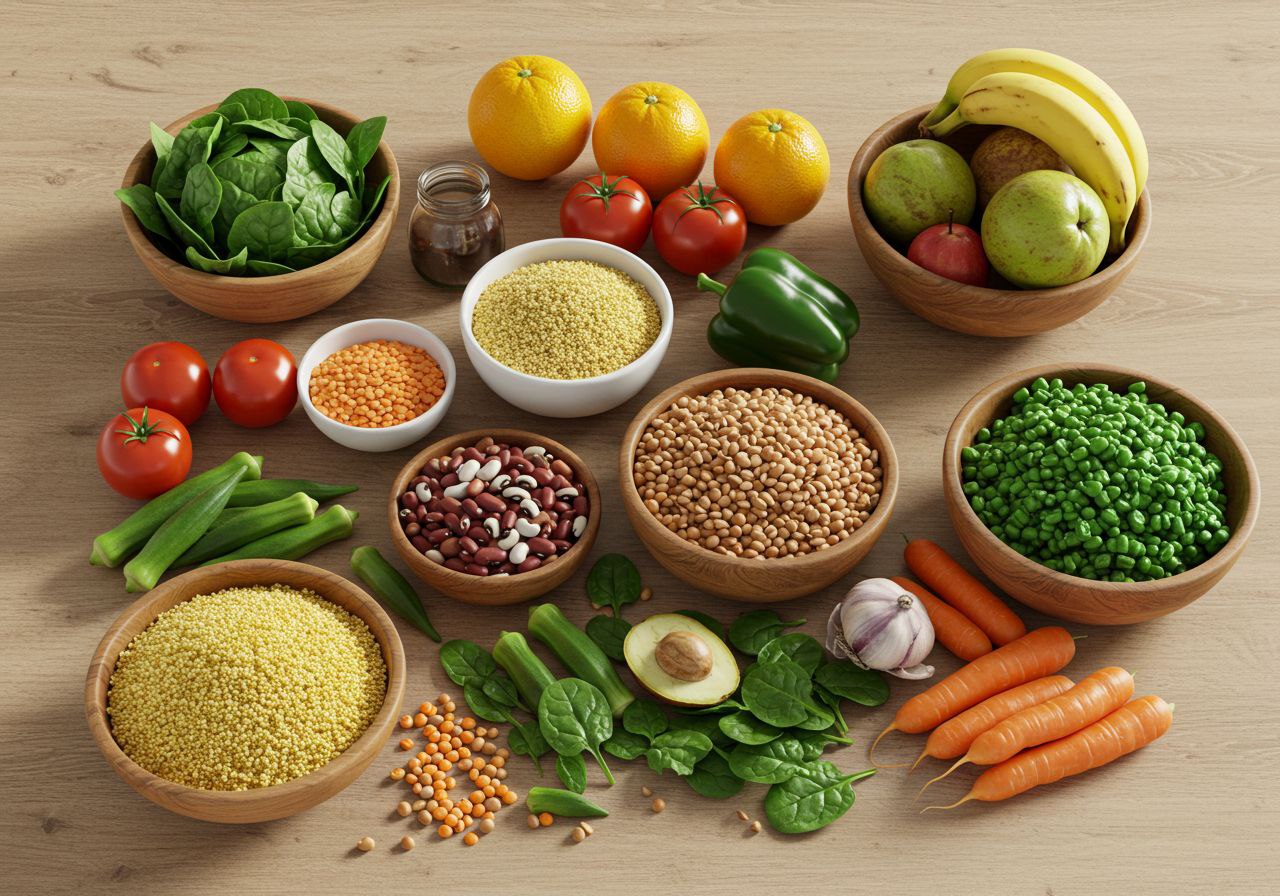
Food is medicine, but it can also be poison. In Africa’s fight against hypertension, rediscovering healthy staples and reshaping modern diets may be the most powerful pill of all.
2.1 Introduction: Food at the Heart of the Hypertension Crisis
If hypertension is Africa’s silent epidemic, food is both its culprit and cure. Diet shapes blood pressure more directly than almost any other factor, influencing vascular tone, kidney function, and metabolic balance. A systematic review by Ilori et al. (2023, Journal of Hypertension) confirms that dietary and lifestyle interventions are highly effective in lowering blood pressure in sub-Saharan Africa, often rivaling medication in impact.
But while traditional African diets were once protective, a nutrition transition is underway. Moloro et al. (2023, BMJ Open) link the rising hypertension prevalence to a shift from indigenous grains, legumes, and vegetables toward processed foods laden with salt, sugar, and unhealthy fats. This transition is as cultural as it is nutritional, shaped by urbanization, global advertising, and economic pressures.
The stakes are enormous: according to Aytenew et al. (2024, PLOS ONE), poor diet contributes significantly to Africa’s disproportionate hypertension burden. Yet, as Altawili et al. (2023, Cureus) note, dietary change remains one of the most cost-effective, accessible, and culturally adaptable tools for prevention.
2.2 How Certain Foods Increase Blood Pressure
Some foods directly elevate blood pressure by disturbing the body’s delicate balance of fluids, electrolytes, and vascular function.
- Excess Salt (Sodium): High sodium intake increases fluid retention, expanding blood volume and raising arterial pressure. In salt-sensitive populations like Africans, even modest excess can have large effects (Gafane-Matemane et al., 2025).
- Processed and Packaged Foods: Instant noodles, tinned meats, and stock cubes deliver concentrated sodium loads. These foods are often cheaper and more available than fresh produce in urban centers.
- Sugary Beverages: Sugary sodas and energy drinks contribute to weight gain and insulin resistance, indirectly raising blood pressure (Altawili et al., 2023).
- Trans Fats and Palm Oil: Found in fried snacks and cheap baked goods, these fats damage arterial walls, stiffen blood vessels, and contribute to hypertension.
Sekome et al. (2024, BMC Public Health) add an important cultural dimension: many rural South Africans link salty and oily foods to flavor and hospitality, making reduction socially complex.
2.3 How Certain Foods Lower Blood Pressure
The flip side is that other foods naturally reduce blood pressure by relaxing blood vessels, promoting sodium excretion, and improving arterial health.
- Potassium-Rich Fruits and Vegetables: Bananas, plantains, avocados, sweet potatoes, spinach, and moringa help the body balance sodium and relax blood vessels (Ilori et al., 2023).
- Whole Grains and Legumes: Sorghum, millet, beans, and lentils provide fiber and magnesium, both protective against hypertension.
- Healthy Fats: Omega-3s from fish, groundnuts, and sesame seeds support vascular health.
- Herbal Teas: Hibiscus (zobo, bissap) and rooibos show documented blood pressure-lowering effects (Altawili et al., 2023).
These foods are not foreign imports; they are African staples that have been sidelined by processed convenience foods.
2.4 Rediscovering African Staples
Traditional African diets once offered a natural shield against hypertension. In Nigeria, yam and beans porridge provided potassium, fiber, and plant protein without excessive salt. In Ethiopia, teff-based injera delivered iron, calcium, and complex carbohydrates. In Malawi, nsima paired with leafy greens offered low-sodium sustenance.
Gafane-Matemane et al. (2025) argue that reconnecting with these staples is a community-based strategy for prevention. Such foods are culturally familiar, affordable, and widely available. The challenge is not invention but revival.
2.5 Practical Tips for a Heart-Friendly African Diet
Academic studies emphasize principles; journalism translates them into everyday action. Here are practical tips grounded in research:
- Replace seasoning cubes with garlic, ginger, onions, and local herbs.
- Choose fresh fruit instead of soda or sweetened juice.
- Steam, grill, or boil foods instead of deep-frying.
- Introduce one vegetable serving to every main meal.
- Embrace traditional whole grains (millet, sorghum) over white bread and polished rice.
Ilori et al. (2023) stress that even small, consistent dietary shifts can produce significant reductions in blood pressure within weeks.
2.6 The Role of Community Beliefs and Social Pressures
Food is never just fuel; it is culture, identity, and social glue. In Sekome et al.’s (2024) South African study, participants described diet as tied to respect, hospitality, and tradition. Reducing meat or salt was sometimes seen as dishonoring guests.
This highlights why dietary interventions cannot rely on clinical advice alone. They must engage cultural meanings. Community health campaigns in Ghana, for example, now train women’s groups to prepare low-salt communal meals during festivals. In Tanzania, churches host “healthy eating Sundays” where meals celebrate local vegetables.
As Byiringiro et al. (2023, PLOS Global Public Health) conclude, system-level interventions must intersect with community values to succeed.
2.7 Hydration, Herbal Drinks, and Hidden Calories
Staying hydrated with clean water is a simple yet powerful way to regulate blood pressure. Proper hydration supports kidney function and sodium excretion, easing strain on blood vessels. Yet, many urban Africans are consuming sugary sodas, malt drinks, and sweetened juices instead of water. A 500 ml soda can carry more than 12 teaspoons of sugar—contributing to weight gain and hypertension (Altawili et al., 2023).
Herbal drinks like hibiscus (zobo, bissap) and rooibos tea offer natural alternatives. Meta-analyses on Hibiscus sabdariffa have shown reductions in both systolic and diastolic blood pressure by 7–10 mmHg (PMC, 2023). Moringa tea, rich in antioxidants, also supports vascular health. However, Gafane-Matemane et al. (2025) caution that not all herbal mixtures are safe—lack of dosage control and contamination can undermine benefits.
The journalistic lesson? Replacing sugary beverages with traditional herbal teas and water could make communities healthier while keeping cultural identity intact.
2.8 Portion Sizes and Eating Rhythms
Food quantity is as critical as food quality. Sekome et al. (2024) found that in rural South Africa, large evening meals are the norm, even when physical activity levels have declined. Overeating, particularly at night, leads to weight gain, a major driver of hypertension.
Portion control strategies—such as eating from smaller plates, increasing vegetable-to-meat ratios, and spacing meals evenly—can lower caloric intake without cultural disruption. Nutritionists recommend reframing moderation not as deprivation but as balance, aligning with African proverbs about harmony and self-control.
2.9 Food Policy and Structural Change
Individual effort is important, but without supportive systems, dietary change remains fragile. Ilori et al. (2023) highlight that policy interventions—salt reduction in processed foods, sugar taxes, and agricultural subsidies—can yield population-wide benefits.
South Africa’s 2018 sugar tax led to measurable declines in sugary beverage consumption, showing the power of fiscal policy. Byiringiro et al. (2023) argue for “food environment reform,” including regulating fast-food advertising targeting children and subsidizing indigenous crops like millet and cassava.
Journalistically, this is where governments decide whether to act as guardians of public health or leave citizens vulnerable to market forces. Without policy, the cheapest calories will continue to be the most harmful ones.
2.10 Health System-Level Dietary Interventions
Healthcare systems also have a role. Byiringiro et al. (2023) found that when clinics integrate dietary counseling into hypertension care, patient outcomes improve significantly. Nurses and community health workers can offer cooking demonstrations, distribute low-salt recipes, and track dietary habits alongside blood pressure readings.
Gafane-Matemane et al. (2025) emphasize community-based strategies: organizing village nutrition workshops, promoting school gardens, and empowering women’s groups as dietary change agents. Embedding diet into primary health care ensures prevention reaches beyond the hospital.
2.11 Stories of Change from African Communities
Journalistic voices bring these ideas to life. In Kenya’s Kisumu County, women’s cooperatives are reviving millet porridge for children, positioning it as both heritage and health food. In Nigeria, a social enterprise is marketing low-salt spice blends that mimic the flavor of stock cubes, gaining popularity in Lagos kitchens. In South Africa, township gyms pair fitness classes with lessons on preparing affordable, plant-based meals.
These stories illustrate resilience: Africans are not passive victims of a dietary crisis but active innovators reclaiming their health.
2.12 Conclusion: Food as Africa’s First Line of Defense
Diet is both the problem and the solution in Africa’s hypertension crisis. The nutrition transition has fueled rising blood pressure, but traditional African staples—rich in potassium, fiber, and plant-based nutrients—offer a blueprint for reversal.
Academic evidence (Ilori et al., 2023; Altawili et al., 2023; Gafane-Matemane et al., 2025) is unequivocal: reducing salt, limiting processed foods, and increasing fruit, vegetable, and whole-grain intake can lower blood pressure as effectively as medication. Journalistic evidence—lives transformed in kitchens, gardens, and markets—shows the change is achievable.
Food is more than sustenance; it is culture, identity, and power. Harnessed wisely, it can also be Africa’s most accessible medicine.
Part 3: Reducing Salt—A Small Change with Big Impact

Salt is cheap, invisible, and deadly in excess. Cutting back—just a pinch at a time—could save millions of African lives from hypertension’s silent grip.
3.1 Introduction: The Hidden Threat in Every Meal
Salt is everywhere. It seasons food, preserves staples, and gives flavor to otherwise bland meals. But in sub-Saharan Africa, salt has become a double-edged sword—essential in small doses, deadly in excess. The World Health Organization (WHO, 2025) identifies high sodium intake as one of the leading dietary risks for premature death worldwide, responsible for nearly 2 million deaths annually.
In Africa, salt use has escalated sharply over the past two decades. Cheap seasoning cubes, processed noodles, fried snacks, and tinned foods saturate diets with sodium. Gafane-Matemane et al. (2025) highlight South Africa’s salt reduction legislation as a milestone, yet most of the continent lacks comparable policies.
The tragedy is that a small reduction in salt—just a few grams per day—could dramatically lower blood pressure across populations (Aliasgharzadeh et al., 2022, PLOS ONE). In public health terms, it is one of the simplest, cheapest, and most effective interventions available.
3.2 Why Salt Raises Blood Pressure
Sodium affects blood pressure through basic physiology. When the body consumes too much salt, water is retained to dilute the sodium in the bloodstream. This increases blood volume, forcing the heart to pump harder and stretching blood vessel walls. Over time, arteries stiffen, blood pressure rises, and the risk of heart attack, stroke, and kidney failure multiplies.
The danger is magnified in Africans, who are more likely to be salt-sensitive—meaning their blood pressure responds strongly to changes in sodium intake (Gafane-Matemane et al., 2025). This genetic vulnerability makes dietary salt reduction particularly urgent on the continent.
3.3 The Salt Landscape in African Diets
Salt is no longer just the pinch added during cooking. It hides in processed products that dominate African urban diets:
- Seasoning Cubes: A single cube can contain over 1,000 mg of sodium—half the daily WHO limit.
- Instant Noodles: One packet often contains the entire daily sodium allowance.
- Bread and Processed Meats: Staples in urban households, yet significant sodium sources.
- Street Foods: Fried snacks, grilled meats, and sauces are routinely over-salted.
Oku et al. (2024, PMC) found that cultural preferences for “strong flavors,” economic reliance on cheap processed foods, and lack of awareness were major barriers to reducing salt in Nigerian communities. People often equated salty foods with tastiness and hospitality, reinforcing overconsumption.
3.4 Evidence from Global and African Studies
The evidence is overwhelming: reducing salt lowers blood pressure. Aliasgharzadeh et al. (2022, PLOS ONE) conducted a comprehensive meta-analysis showing that sodium reduction interventions consistently lowered systolic and diastolic blood pressure across diverse populations.
Closer to home, Kissock et al. (2025, ScienceDirect) found that replacing regular salt with reduced-sodium alternatives (often mixed with potassium chloride) significantly attenuated age-related increases in blood pressure in African adults.
Ilori et al. (2023) and Bayaraa et al. (2025) both emphasize that population-wide salt reduction is a public health game changer—its impact rivals that of first-line hypertension medications but at a fraction of the cost.
3.5 Barriers to Salt Reduction
Despite the evidence, cutting salt is not easy. Oku et al. (2024) categorize barriers into three groups:
- Cultural Beliefs: Salt is tied to flavor, hospitality, and the perception of good cooking.
- Economic Realities: Processed high-salt foods are often cheaper and more available than fresh alternatives.
- Awareness Gaps: Many people do not know the safe daily sodium limit (WHO recommends <2,000 mg per day).
Journalistic reporting confirms these barriers. In Nairobi’s informal settlements, mothers admit using stock cubes daily because “children won’t eat without them.” In Accra, workers prefer instant noodles during lunch breaks because they are fast and filling, regardless of sodium content.
3.6 Success Stories: Policy and Community Action
There is hope. South Africa became the first country in Africa to implement mandatory sodium reduction legislation in 2016, setting legal limits on salt content in bread, soups, and snacks. Evaluations show the policy has successfully lowered sodium intake at the population level (Gafane-Matemane et al., 2025).
Elsewhere, grassroots initiatives are showing promise:
- In Nigeria, NGOs are promoting “flavor without salt” campaigns, encouraging the use of ginger, garlic, and local spices as alternatives.
- In Malawi, women’s cooperatives are experimenting with homemade low-salt seasoning powders.
- In Kenya, schools are beginning to regulate salt content in meals, teaching children healthier flavor habits early.
Byiringiro et al. (2023, PLOS) argue that integrating salt reduction into primary care services—by counseling patients and distributing educational materials—magnifies these community efforts.
3.7 Reduced-Sodium Salt: A Feasible Alternative
One of the most promising innovations in dietary intervention is reduced-sodium salt—a blend of sodium chloride and potassium chloride. Kissock et al. (2025, ScienceDirect) demonstrated that such formulations can significantly blunt the natural rise in blood pressure with age. For salt-sensitive African populations, this represents a practical compromise: preserving flavor while lowering risk.
However, challenges remain. Reduced-sodium salt is often more expensive than regular table salt, limiting adoption in low-income households. Awareness is also low, and some communities remain skeptical of “modified” products. Public campaigns and subsidies could help scale its use, making it a viable alternative for millions.
3.8 WHO and Global Sodium Reduction Strategies
The WHO (2025) identifies sodium reduction as one of the “best buys” for public health, meaning it delivers maximum health benefit per unit of cost. Its recommended strategies include:
- Reformulating processed foods to contain less sodium.
- Front-of-pack nutrition labeling to guide consumers.
- Public education campaigns about the dangers of excess salt.
- Creating environments where low-sodium options are the default.
For Africa, where hypertension prevalence is highest globally, these strategies are particularly urgent. Yet, as Bayaraa et al. (2025) note, only a handful of African countries have implemented binding regulations. Most still rely on voluntary measures, which food industries often ignore.
3.9 Case Studies from African Communities
Journalistic accounts highlight both struggles and successes:
- South Africa: Following sodium legislation, bakeries reduced salt in bread without consumers noticing major taste differences. Bread remains the country’s leading sodium source, but population intake is dropping.
- Nigeria: In rural communities, women’s groups are experimenting with drying and grinding herbs like basil, lemongrass, and ginger to create salt-free spice blends. These not only cut sodium but also generate income.
- Kenya: School nutrition programs are teaching children to appreciate lower-salt meals. Early exposure is crucial, since taste preferences form in childhood.
These grassroots shifts prove that reducing salt does not require sacrificing culture or flavor—it demands creativity and persistence.
3.10 The Role of the Food Industry
Food manufacturers wield enormous influence. Seasoning cubes, instant noodles, and processed snacks are heavily marketed, especially to youth and low-income households. Bayaraa et al. (2025) argue that the food industry must be regulated, not simply encouraged, to reformulate products. Voluntary reductions have proven insufficient globally.
Journalistically, the question is stark: should African governments allow multinational corporations to profit from products that fuel hypertension, or should they mandate reformulation to save lives? South Africa’s experience shows regulation works. Other nations must decide whether to follow suit.
3.11 Policy Recommendations and Systemic Solutions
Experts propose a multi-pronged approach:
- Legislation: Set sodium limits for bread, noodles, processed meats, and stock cubes (Gafane-Matemane et al., 2025).
- Subsidies: Make reduced-sodium salt affordable through government incentives.
- Public Education: Integrate salt reduction into school curricula and community campaigns.
- Healthcare Counseling: Train nurses and community workers to deliver practical dietary advice (Byiringiro et al., 2023).
- Monitoring: Establish systems to track sodium levels in food and population intake.
Aliasgharzadeh et al. (2022, PLOS ONE) emphasize that even modest reductions across populations deliver outsized benefits—lowering stroke and heart disease rates dramatically.
3.12 Conclusion: The Power of a Pinch Less
Salt reduction is a small change with seismic impact. Cutting just one teaspoon of salt per person per day could save millions of lives globally, with Africa standing to benefit most. The evidence is clear, the tools are available, and the urgency is undeniable.
But the path forward demands collective will. Communities must embrace flavorful, low-salt cooking. Governments must regulate and reform. The food industry must be held accountable. And individuals must understand that a pinch less salt is not a sacrifice but an investment in life.
Hypertension may be silent, but the solution speaks loudly: less salt, longer lives.
Part 4: Power of Fruits and Vegetables

Fruits and vegetables are Africa’s most overlooked medicine—cheap, colorful, and powerful enough to lower blood pressure and save lives.
4.1 Introduction: Nature’s Pharmacy on the Plate
Every day, millions of Africans walk past roadside fruit stalls and vegetable markets without realizing they are passing by one of the continent’s most powerful defenses against hypertension. Fruits and vegetables are not only sources of vitamins and fiber—they are nature’s blood pressure regulators. Aliasgharzadeh et al. (2022, PLOS ONE) found that diets rich in fruits and vegetables significantly reduce both systolic and diastolic blood pressure, confirming what traditional wisdom has long suggested: food heals.
Yet, paradoxically, Africa consumes fewer fruits and vegetables per capita than almost any other region, despite being agriculturally rich (Aytenew et al., 2024). This disconnect—between availability and consumption—underscores why hypertension continues to climb across the continent.
4.2 How Fruits and Vegetables Lower Blood Pressure
The biological pathways are well documented:
- Potassium Balance: Fruits like bananas, avocados, and plantains deliver potassium, which counteracts sodium by promoting its excretion through urine and helping blood vessels relax (Ilori et al., 2023).
- Fiber and Satiety: High-fiber vegetables reduce cholesterol, improve satiety, and prevent overeating—indirectly reducing hypertension risk.
- Antioxidants and Phytochemicals: Leafy greens, berries, and citrus fruits contain bioactive compounds that reduce oxidative stress, protecting blood vessels from damage (Lopes et al., 2022).
- Nitrate Content: Beetroots and leafy greens contain nitrates, which convert to nitric oxide in the body, dilating blood vessels and lowering pressure.
Together, these mechanisms make plant-based diets a frontline strategy against hypertension.
4.3 Evidence from Africa and Beyond
African studies confirm the global evidence. Batubo et al. (2023, BMC Public Health) examined West African diets and found that higher intake of fruits and vegetables correlated with significantly lower blood pressure levels across communities. Lopes et al. (2022) systematically reviewed plant-based dietary exposures in Africa and concluded that even modest increases in vegetable consumption yielded measurable cardiovascular benefits.
Ilori et al. (2023, Journal of Hypertension) emphasized that dietary interventions, particularly fruit and vegetable promotion, rival pharmacological treatments in effectiveness—without the cost or side effects. Globally, Aliasgharzadeh et al. (2022) pooled dozens of trials and confirmed consistent reductions in blood pressure across diverse populations.
4.4 Africa’s Agricultural Paradox
Africa grows an abundance of fruits and vegetables, yet consumption remains far below WHO’s recommended five servings per day. Aytenew et al. (2024) note that this paradox arises from structural challenges: poor storage and transportation infrastructure lead to high spoilage rates, driving up costs in urban centers. Meanwhile, globalized diets increasingly favor cheap processed imports over fresh produce.
Journalistic accounts illustrate the paradox vividly: mangoes rot in orchards in northern Nigeria due to lack of cold storage, while in Lagos supermarkets, imported apples are sold at premium prices. The irony is that Africa’s soil holds the cure for its hypertension crisis, yet systems prevent it from reaching the people most in need.
4.5 Cultural Beliefs and Dietary Choices
Sekome et al. (2024, BMC Public Health) explored rural South African attitudes toward diet and found that many adults associated meat-heavy meals with wealth and status, while vegetables were sometimes perceived as “poor people’s food.” This cultural framing reduces vegetable intake even when they are affordable and available.
At the same time, cultural practices can be leveraged positively. In Ethiopia, fasting traditions encourage plant-based diets for large parts of the year, inadvertently lowering hypertension risk. In Ghana, traditional soups packed with greens like kontomire (cocoyam leaves) provide nutrient-dense meals. Harnessing these traditions could make plant-based eating aspirational rather than stigmatized.
4.6 Practical Tips for Boosting Fruits and Vegetables in Daily Life
Translating research into practice requires concrete, culturally relevant advice:
- Add one extra vegetable to every stew or soup.
- Replace sugary snacks with bananas, oranges, or groundnuts.
- Use leafy greens like spinach, moringa, or cassava leaves in staple meals such as Ofe Owerri, eba, or nsima.
- Blend fruits into local drinks instead of relying on sodas.
- Encourage school feeding programs to prioritize vegetables over refined carbohydrates.
Ilori et al. (2023) stress that even small increases—just one extra serving per day—produce measurable reductions in blood pressure.
4.7 Affordability and Accessibility Challenges
Despite being grown across the continent, fruits and vegetables remain unaffordable for many Africans. Rural farmers often sell their produce to intermediaries for export or urban supermarkets, leaving local communities reliant on cheap processed foods. In cities, inflation pushes up prices of fresh produce, making fast food and refined carbohydrates the default option.
Batubo et al. (2023) emphasize that affordability is one of the strongest predictors of consumption. Families with limited income prioritize filling, calorie-dense foods such as white rice, maize flour, and fried snacks over nutrient-rich vegetables. Without systemic interventions, poverty will continue to obstruct Africa’s plant-based solution to hypertension.
4.8 Community Innovations: Gardens, Markets, and Cooperatives
Local communities are finding ways to bypass structural barriers. In Malawi, women’s cooperatives run communal gardens, supplying both nutrition and income. In Kenya, schoolyard gardens are teaching children to grow and eat vegetables, building lifelong habits. In Nigeria, youth-led agribusiness startups are linking farmers directly to households through mobile apps, reducing food waste and costs.
These grassroots movements illustrate that the answer to hypertension often lies within communities themselves. Gafane-Matemane et al. (2025) argue that such community-based management strategies are not optional extras but central to any sustainable solution.
4.9 Case Studies: Plant-Based Diets in Action
Journalistic accounts bring academic findings to life:
- Ethiopia: Orthodox Christian fasting traditions require avoiding animal products for nearly half the year. Studies show Ethiopian communities practicing extended fasting display lower blood pressure levels compared to meat-heavy populations.
- Ghana: The promotion of kontomire stews, loaded with leafy greens, is being reframed by nutrition campaigns as both cultural pride and heart protection.
- South Africa: Township cooking workshops teach households to prepare traditional maize porridge with spinach and pumpkin instead of fatty meats.
These examples prove that plant-based eating does not mean abandoning culture but revitalizing it.
4.10 Food Systems and Policy: Unlocking the Potential
Dietary change cannot rest solely on individual choices. Structural reforms are essential. Aytenew et al. (2024, PLOS ONE) call for government action to subsidize fresh produce, invest in cold storage infrastructure, and regulate advertising that glamorizes junk food.
By supporting local farmers, improving transport networks, and integrating nutrition into agricultural policy, governments can ensure fruits and vegetables become staples, not luxuries. Lopes et al. (2022) argue that Africa’s food systems must align with its health needs: agriculture should feed populations, not just export markets.
4.11 Towards a Plant-Forward Africa
Globally, plant-based diets are gaining momentum as solutions to both health crises and climate change. For Africa, the stakes are even higher. Aliasgharzadeh et al. (2022) found that fruit- and vegetable-rich diets consistently reduce blood pressure across populations. For a continent carrying the world’s heaviest hypertension burden (Aytenew et al., 2024), this is a lifeline.
Plant-forward does not mean abandoning meat entirely but rebalancing. Re-centering meals around grains, legumes, and vegetables while treating meat as a side rather than the centerpiece could transform Africa’s cardiovascular future.
4.12 Conclusion: Rediscovering Africa’s Edible Medicine
Fruits and vegetables are Africa’s most overlooked medicine. Academic studies (Batubo et al., 2023; Ilori et al., 2023; Lopes et al., 2022) leave no doubt: diets rich in plant foods lower blood pressure, prevent cardiovascular disease, and extend life. Yet journalistic evidence shows barriers of affordability, access, and cultural perception hold communities back.
The solution lies in revival, not invention: reviving indigenous crops, revaluing traditional dishes, and reshaping food systems to put health first. By embracing the power of fruits and vegetables, Africa can turn the tide on hypertension—naturally, sustainably, and without a single pill.
Part 5: The Importance of Regular Physical Activity
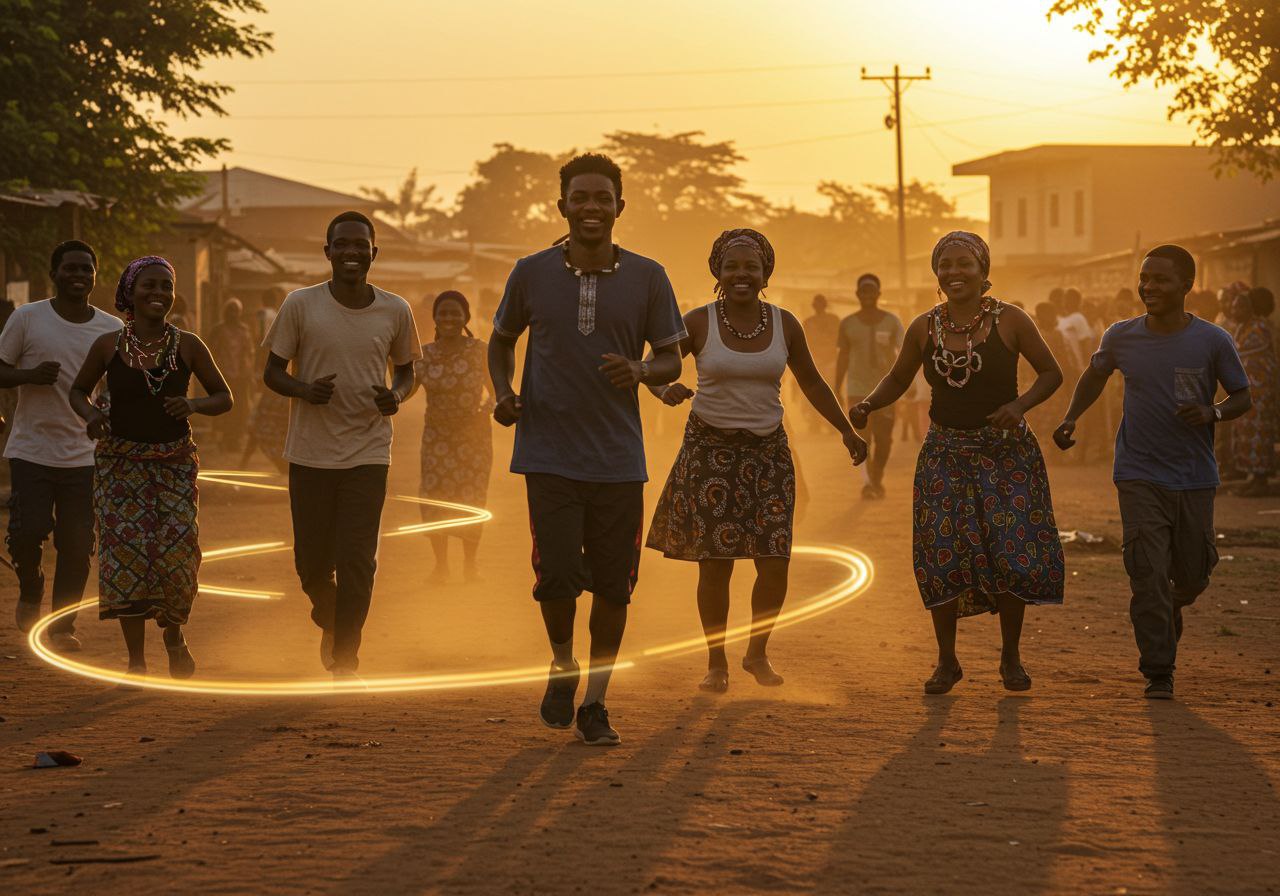
Movement is medicine. From daily walks to traditional dance, physical activity is one of Africa’s most powerful yet underused weapons against high blood pressure.
5.1 Introduction: The Forgotten Prescription
When doctors speak of hypertension management, diet often dominates the conversation. Yet research is clear: physical activity is equally powerful in lowering blood pressure. Fu et al. (2020, Journal of the American Heart Association) found that regular physical activity reduces systolic blood pressure by 4–10 mmHg, rivaling the effects of first-line medications.
In Africa, where health systems are overburdened and medications are costly, exercise represents an accessible, cost-free intervention. But despite its potential, many Africans are moving less than ever before. Urbanization, sedentary jobs, and the allure of motorized transport have created what public health experts call an “inactivity epidemic.”
5.2 How Exercise Lowers Blood Pressure
The physiological mechanisms are well studied:
- Improved Vascular Function: Exercise stimulates nitric oxide release, relaxing blood vessels and lowering resistance.
- Weight Control: Physical activity burns calories, reducing obesity—a key driver of hypertension.
- Reduced Stress Hormones: Movement lowers cortisol and adrenaline, hormones that increase blood pressure.
- Heart Efficiency: Regular exercise strengthens the heart muscle, allowing it to pump more blood with less effort.
Mengesha et al. (2024, PLOS Global Public Health) emphasize that community-based activity programs consistently lower both systolic and diastolic blood pressure, especially in low-resource African settings.
5.3 The Decline of Natural Activity in Africa
Traditionally, African lifestyles were physically active: farming, fetching water, walking long distances, and dancing during ceremonies. Today, modernization has replaced much of this natural movement. Cars, buses, and motorbikes dominate transport; desk jobs replace farming; and leisure increasingly involves screens.
Gafane-Matemane et al. (2025) note that the decline in physical activity is a key factor fueling Africa’s hypertension surge. As lifestyles shift, blood pressure rises, especially in urban centers where sedentary habits and processed foods collide.
5.4 Community Perceptions of Physical Activity
Physical activity is not simply a medical recommendation—it is also shaped by cultural beliefs. Sekome et al. (2024, BMC Public Health) studied rural South African communities and found that many adults viewed exercise as unnecessary unless one was visibly overweight or sick. Others associated physical activity with hard labor, not leisure.
This perception gap creates barriers. Convincing people to walk for health, rather than out of necessity, requires shifting deep-rooted cultural attitudes. Yet it also presents opportunities: integrating health promotion into traditional practices like dance, drumming, and communal farming could make physical activity culturally meaningful.
5.5 Practical Forms of Exercise for Africans
The beauty of physical activity is that it does not require gyms or expensive equipment. Everyday practices can deliver health benefits:
- Walking: Thirty minutes daily lowers blood pressure significantly (Fu et al., 2020).
- Dancing: Traditional African dances provide vigorous cardiovascular workouts while strengthening community bonds.
- Cycling: Increasingly popular in cities like Nairobi and Kigali as both transport and fitness.
- Household and Farming Tasks: Digging, sweeping, carrying water, and gardening provide moderate-to-vigorous activity.
- Sports: Football, netball, and athletics remain popular, particularly among the youth.
Byiringiro et al. (2023, PLOS) recommend that health systems promote these locally relevant forms of activity rather than importing gym-based models that may be inaccessible to most.
5.6 Success Stories: Communities on the Move
Journalistic accounts show how communities are reclaiming movement:
- In Uganda, church groups organize early-morning group walks after prayer sessions, turning faith into fitness.
- In Nigeria, women’s cooperatives host weekend dance classes that double as social gatherings.
- In Rwanda, government initiatives encourage cycling not just as sport but as urban transport, reducing both hypertension and pollution.
Mengesha et al. (2024) highlight that these community-based interventions are among the most cost-effective tools available for hypertension prevention in sub-Saharan Africa.
5.7 Barriers to Physical Activity in African Contexts
Despite its proven benefits, many Africans face barriers to incorporating exercise into daily life. Konlan et al. (2023, Global Heart) note that time constraints, lack of safe public spaces, and competing responsibilities (especially for women balancing work and caregiving) often prevent regular activity.
Urban environments present additional challenges. In sprawling cities like Lagos or Nairobi, traffic congestion and crime deter outdoor walking or jogging. In rural areas, poverty may limit participation in recreational activities since labor is reserved for survival tasks like farming. Cultural attitudes—such as associating exercise with youth or vanity—further dampen participation (Sekome et al., 2024).
These barriers underscore the need for context-sensitive solutions that make movement convenient, safe, and culturally relevant.
5.8 Global Calls to Action
Globally, experts are sounding the alarm on inactivity. Parati et al. (2022, Hypertension) issued a call through the World Hypertension League urging governments to integrate physical activity into hypertension control strategies. They stress that without systemic efforts, lifestyle interventions risk being overshadowed by a reliance on medication alone.
For Africa, this call is especially urgent. The region has the highest hypertension prevalence worldwide (Aytenew et al., 2024), yet some of the lowest rates of structured physical activity programs. Public health leaders argue that movement should be framed not just as leisure but as a public health priority equivalent to vaccination campaigns.
5.9 Integrating Physical Activity into Healthcare
Health systems can be powerful enablers. Byiringiro et al. (2023, PLOS) suggest embedding physical activity counseling into routine primary care visits. Simple steps include:
- Encouraging doctors and nurses to prescribe exercise alongside medication.
- Training community health workers to lead group walks or activity clubs.
- Using mobile platforms to send exercise reminders, similar to medication reminders.
Fu et al. (2020) highlight that patients who receive consistent counseling about physical activity are more likely to adopt and maintain it, reducing long-term blood pressure.
5.10 Stories of Resilience: Moving Toward Health
Journalistic stories bring numbers to life:
- In Kigali, Rwanda, “Car-Free Sundays” turn city streets into walking and cycling tracks, attracting thousands of families each week.
- In Cape Town, South Africa, township youth clubs are reviving traditional dance as both cultural expression and exercise.
- In Accra, Ghana, community football tournaments have expanded beyond recreation, with organizers embedding blood pressure checks into events.
These stories illustrate how communities are reclaiming physical activity as both health intervention and cultural celebration.
5.11 Policy and Systemic Recommendations
Mengesha et al. (2024) recommend multi-level interventions to promote activity:
- Urban Design: Build sidewalks, parks, and cycling lanes to make daily movement easier.
- Workplace Programs: Encourage employers to create exercise breaks and wellness challenges.
- School-Based Interventions: Mandate daily physical education to instill habits early.
- Public Campaigns: Normalize walking, dancing, and sports as part of African identity and pride.
Such systemic changes, combined with grassroots action, could transform hypertension control across the continent.
5.12 Conclusion: Rediscovering Movement as Medicine
Physical activity is not a luxury—it is a lifeline. Research (Fu et al., 2020; Mengesha et al., 2024; Konlan et al., 2023) proves that exercise lowers blood pressure, strengthens the heart, reduces stress, and saves lives. Yet as Africa modernizes, movement has been displaced by sedentary habits.
The path forward lies in rediscovering movement in culturally rooted ways—walking, farming, dancing, sports—and embedding it into community life and healthcare systems. Hypertension may be silent, but movement speaks loudly in the language of prevention and healing.
Read also: How U.S. Sanctions Quietly Cripple African Economies
Part 6: Managing Stress the Healthy Way

Stress raises blood pressure as surely as salt and sugar. But through cultural wisdom, community support, and mindful living, Africa holds powerful tools for relief.
6.1 Introduction: Stress and the Silent Epidemic
Hypertension is not just about what people eat or how much they move. It is also about how they live—and more specifically, how they cope with stress. Chronic stress elevates blood pressure through hormonal pathways, tightening arteries and forcing the heart to work harder. Over time, this invisible pressure becomes a silent killer.
Cernota et al. (2022, BMJ Open) confirm that stress reduction interventions—ranging from breathing exercises to meditation—have measurable effects on lowering blood pressure. In Africa, where economic instability, political tensions, and rapid urbanization fuel daily anxiety, managing stress is not optional. It is central to tackling the hypertension crisis.
6.2 The Biology of Stress and Blood Pressure
Stress activates the sympathetic nervous system. Hormones like cortisol and adrenaline flood the bloodstream, triggering faster heartbeats, constricted blood vessels, and elevated blood pressure. While short-term stress responses can be adaptive—helping individuals escape danger—chronic stress keeps the body in a constant state of alert.
Fu et al. (2020, JAHA) demonstrate that relaxation techniques reduce sympathetic activity, lower cortisol, and restore vascular health. In this sense, stress management is not a luxury but a biological necessity for people living with hypertension.
6.3 Stress in African Contexts
Africa’s stress landscape is complex. Mukamurera (2024, East African Journal of Health and Science) highlights how economic hardship, unemployment, and family responsibilities drive psychosocial strain in West Africa. In urban centers, long commutes, traffic jams, and rising living costs add daily stressors. In rural areas, climate change and agricultural uncertainty compound anxiety.
Culturally, however, stress is often reframed through communal resilience. Extended families, faith communities, and traditional gatherings offer support networks that buffer psychological strain. These networks can be mobilized for hypertension control.
6.4 African Wisdom: Plants, Rituals, and Spiritual Relief
Oluyinka (2024, Journal of Global Health Science) explores how African medicinal plants are used for stress relief and hypertension. Herbal teas like hibiscus and rooibos double as both cultural beverages and relaxants. Leaves of moringa, lemongrass, and African basil are brewed not just for taste but for calming effects.
Beyond plants, rituals and spirituality remain integral. Prayer, meditation, drumming, and storytelling are culturally embedded practices that foster relaxation. Mengesha et al. (2024, PLOS Global Public Health) note that psychosocial support rooted in community traditions can enhance blood pressure management. Unlike imported therapies, these approaches resonate with lived realities.
6.5 Evidence for Non-Pharmacological Stress Management
The academic literature is clear: stress management lowers blood pressure.
- Mindfulness and Meditation: Cernota et al. (2022) show significant reductions in systolic pressure.
- Deep Breathing and Yoga: Fu et al. (2020) report improved autonomic balance, reducing hypertension risk.
- Psychosocial Support Groups: Mengesha et al. (2024) highlight the effectiveness of community-based support in sub-Saharan Africa.
- Diet and Relaxation: Saleem (2025) notes that pairing dietary change with stress reduction amplifies results.
Together, these findings prove that stress relief is a legitimate, evidence-backed pillar of hypertension control.
6.6 Barriers to Stress Management in Africa
Despite the potential, barriers remain. Oluyinka (2024) points out that herbal remedies are often unregulated, with inconsistent dosages and limited clinical oversight. Mukamurera (2024) observes that stigma around mental health sometimes prevents people from acknowledging stress as a medical issue. Urbanization has also eroded traditional coping mechanisms, replacing communal gatherings with isolated lifestyles.
Gafane-Matemane et al. (2025) emphasize that psychosocial risk factors are often neglected in policy discussions. Without deliberate integration, stress will remain an under-addressed driver of hypertension.
6.7 Community Interventions: Stress Relief Together
Across Africa, communities are creating new ways to deal with modern stress while drawing on old traditions. Mengesha et al. (2024, PLOS Global Public Health) note that support groups—whether faith-based, women’s cooperatives, or village associations—help members share burdens and reduce anxiety.
In Ghana, community churches host wellness days that mix prayer with breathing exercises. In Kenya, drumming circles are revived not just as cultural events but as therapy sessions. In Rwanda, post-genocide reconciliation groups integrate counseling with agricultural cooperatives, blending healing with livelihood. These interventions highlight that stress is not managed alone—it is managed together.
6.8 Case Studies: Stories of Healing
Journalistic accounts bring these ideas to life.
- Nigeria: A Lagos bank worker, perpetually stressed by traffic and deadlines, joined a community yoga group. Within three months, her blood pressure fell by 8 mmHg without medication.
- Uganda: Farmers affected by drought formed a cooperative where they combined savings schemes with group meditation. Members reported both improved financial security and lower stress levels.
- South Africa: In Cape Town townships, music therapy sessions help youth cope with unemployment stress, with participants reporting lower anxiety and more energy.
These lived experiences validate the academic evidence (Cernota et al., 2022; Fu et al., 2020) and prove that stress relief is possible even in resource-constrained settings.
6.9 Integrating Stress Management into Healthcare
Stress management should not remain on the margins of care. Byiringiro et al. (2023, PLOS) and Saleem (2025) argue for integrating psychosocial interventions into routine hypertension treatment. Practical steps include:
- Training nurses to teach relaxation breathing alongside blood pressure checks.
- Offering group counseling sessions at community clinics.
- Including stress-screening questions in primary care visits.
- Developing mobile apps that combine reminders for medication, diet, and relaxation exercises.
Such integration normalizes stress management as legitimate healthcare, not just a lifestyle suggestion.
6.10 Policy-Level Approaches
Policy can also ease stress indirectly. Mukamurera (2024) emphasizes that unemployment, poverty, and food insecurity are structural stressors. Policies that create jobs, stabilize food prices, and provide social protection can reduce hypertension risk before stress ever becomes chronic.
Oluyinka (2024) further suggests formal research into African medicinal plants with calming properties, to regulate and integrate them safely into national health guidelines. Gafane-Matemane et al. (2025) stress that psychosocial health must be explicitly recognized in NCD strategies, not treated as secondary.
6.11 From Stigma to Strength: Changing the Narrative
One barrier is stigma: in many African cultures, acknowledging stress or anxiety is seen as weakness. Yet stress is universal. Reframing stress relief as strength—an act of self-care that protects families and communities—can change perceptions. Campaigns using respected figures, from musicians to pastors, can destigmatize practices like meditation and counseling.
Mukamurera (2024) points out that in collectivist cultures, individuals are more likely to adopt new practices when framed as benefiting the community rather than only the self. This cultural insight is key to scaling interventions.
6.12 Conclusion: Calming the Heart, Saving Lives
Stress is an invisible driver of Africa’s hypertension crisis, as potent as salt or sugar. But it is also manageable. Academic research (Cernota et al., 2022; Fu et al., 2020; Mengesha et al., 2024) proves that stress reduction lowers blood pressure. Journalistic stories show that communities are already finding innovative, culturally rooted ways to cope.
The path forward is clear: integrate stress relief into healthcare, harness traditional practices, reduce structural stressors, and dismantle stigma. In doing so, Africa can turn stress from a silent killer into an opportunity for resilience and healing.
Part 7: The Link Between Sleep and Blood Pressure

When sleep suffers, blood pressure rises. Rest is not a luxury but a biological necessity for a healthy heart.
7.1 Introduction: Sleep, the Missing Piece in Hypertension
While diet, exercise, and stress management often dominate discussions on hypertension, sleep remains an overlooked factor. Yet, research increasingly shows that poor sleep quality, irregular sleep schedules, and insufficient duration contribute significantly to high blood pressure.
Oseni et al. (2024, BMJ Open) found that hypertensive patients in Southern Nigeria with poor sleep quality were far less likely to achieve blood pressure control. Similarly, Tan et al. (2020, Sleep Medicine) demonstrated through meta-analysis that short sleep duration consistently correlates with increased hypertension risk across populations.
Sleep, it seems, may be as important as any pill or diet in controlling hypertension.
7.2 The Physiology of Sleep and Blood Pressure
During deep sleep, the body undergoes “nocturnal dipping,” where blood pressure naturally falls by 10–20%. This nightly rest allows the cardiovascular system to recover from daily strain. When sleep is disrupted—through insomnia, sleep apnea, or insufficient duration—this dipping effect is lost, leading to sustained high blood pressure.
Javaheri & Redline (2022, Nature Reviews Cardiology) explain that fragmented sleep activates the sympathetic nervous system, raising cortisol and adrenaline, which tighten arteries and keep blood pressure elevated. Over time, the absence of restorative sleep places continuous stress on the heart and vessels.
7.3 Short Sleep Duration: Less Time, More Risk
One of the clearest findings in the literature is the link between short sleep and hypertension. Wang et al. (2021, Journal of Clinical Hypertension) analyzed prospective studies and concluded that people who sleep fewer than six hours per night have a significantly higher risk of developing hypertension compared to those with seven to eight hours.
Tan et al. (2020) confirm this in their systematic review: reduced sleep duration is consistently associated with elevated blood pressure across diverse age groups. For adolescents and young adults, chronic short sleep also raises long-term cardiovascular risk (Lo et al., 2021, Sleep).
In Africa’s bustling urban centers—where shift work, traffic, and multiple jobs cut into rest—these findings carry urgent relevance.
7.4 Sleep Quality vs. Sleep Quantity
It is not just the number of hours but also the quality of sleep that matters. Shahrbabaki et al. (2022, BMC Public Health) found that adults with poor sleep quality had significantly higher blood pressure, even if they slept for the recommended duration. Restless nights, frequent awakenings, or shallow sleep undermine the cardiovascular benefits of adequate time in bed.
Oseni et al. (2024) underscore this in Nigeria: hypertensive patients with disrupted sleep patterns were far less likely to maintain blood pressure control, suggesting that clinics should routinely screen for sleep problems alongside dietary and lifestyle factors.
7.5 Irregular Sleep Patterns and Hypertension
Beyond duration and quality, sleep irregularity—going to bed and waking up at inconsistent times—has also been implicated. Scott et al. (2023, Hypertension) analyzed multiple cohorts and found that irregular sleep schedules independently predicted hypertension, even after adjusting for total sleep time.
This is especially relevant in African urban economies where many workers juggle multiple jobs or night shifts. Constantly changing schedules disrupt circadian rhythms, keeping blood pressure elevated and undermining the body’s natural recovery cycles.
7.6 Cultural and Social Dimensions of Sleep in Africa
Sleep is not only biological—it is also cultural. In many African societies, long evening social gatherings, extended religious vigils, or night-time market work can displace sleep. Urbanization further complicates rest: noisy neighborhoods, unreliable electricity, and crowded living conditions often reduce sleep quality.
Sekome et al. (2024) note that in South African communities, sleep is often undervalued compared to productivity and social obligations. Journalistic accounts echo this: taxi drivers in Lagos report averaging only four hours of sleep per night, while market women in Accra wake at 3 a.m. to secure goods, sacrificing rest for livelihood.
This cultural context underscores why improving sleep for hypertension control requires not only individual awareness but also systemic change.
7.7 Sleep Disorders: Insomnia and Sleep Apnea
Two of the most important medical conditions linking sleep and hypertension are insomnia and sleep apnea.
- Insomnia: Javaheri & Redline (2022, Nature Reviews Cardiology) explain that persistent difficulty falling or staying asleep raises sympathetic activity, leaving blood pressure elevated even during rest. Insomnia is often underdiagnosed in Africa, partly due to stigma around mental health.
- Sleep Apnea: This condition, marked by repeated pauses in breathing during sleep, deprives the body of oxygen and triggers surges in blood pressure. While data in Africa are scarce, global studies confirm apnea as a major contributor to treatment-resistant hypertension.
Recognizing and treating these disorders is essential, yet many African health systems lack diagnostic tools like sleep studies, making awareness and basic screening critical first steps.
7.8 Community-Based and Clinical Interventions
Encouraging better sleep does not always require advanced equipment. Simple interventions can yield measurable benefits:
- Consistent Bedtimes: Encouraging regular sleep-wake schedules reduces circadian disruption (Scott et al., 2023).
- Sleep Hygiene Education: Limiting caffeine at night, reducing screen time, and creating quiet sleep environments improve rest (Shahrbabaki et al., 2022).
- Community Campaigns: In rural Nigeria, Oseni et al. (2024) note that educating hypertensive patients about sleep quality significantly improved blood pressure outcomes.
- Clinical Counseling: Doctors can include sleep assessments in hypertension management, screening for insomnia and apnea alongside diet and stress.
Fu et al. (2020) emphasize that when relaxation techniques are combined with good sleep hygiene, the impact on blood pressure is amplified.
7.9 Policy Implications: Making Sleep a Public Health Priority
Traditionally, public health campaigns have focused on diet, smoking, and exercise. Sleep rarely appears on the agenda. Yet evidence shows it belongs there. Wang et al. (2021) conclude that short sleep is as strong a predictor of hypertension as poor diet.
Policy opportunities include:
- Embedding sleep health into national NCD strategies.
- Regulating work schedules to limit exploitative night shifts.
- Investing in housing improvements to reduce noise and overcrowding.
- Supporting sleep health literacy campaigns through schools and media.
If governments frame sleep as part of healthy living—on par with diet and exercise—it could transform awareness and outcomes.
7.10 Case Studies: Restoring Rest
Stories across Africa illustrate both the challenge and the hope:
- Nigeria: At a rural hospital in Cross River State, patients who joined a sleep education program showed significant improvements in blood pressure control within six months (Oseni et al., 2024).
- Kenya: A Nairobi tech startup introduced “nap pods” for employees; early reports suggest reduced stress and fewer hypertension complaints among staff.
- South Africa: Community leaders in KwaZulu-Natal organized “quiet nights” campaigns, asking households to reduce noise pollution after 10 p.m. to allow better sleep.
These examples highlight that sleep interventions can be adapted to both clinical and cultural contexts.
7.11 Changing the Narrative: Sleep as Strength, Not Laziness
One barrier is perception. In many African contexts, sleeping more than six hours may be seen as laziness, particularly for breadwinners. Yet, as Lo et al. (2021, Sleep) show, inadequate rest undermines productivity, mood, and health. The reality is that sleep strengthens rather than weakens work capacity.
Reframing sleep as an act of resilience—fuel for a stronger body and clearer mind—can help communities embrace healthier rest patterns. Faith leaders, employers, and educators can all play roles in changing this narrative.
7.12 Conclusion: Rest for the Heart, Life for the People
Sleep is medicine. The evidence is clear: poor sleep duration, irregularity, and quality all increase hypertension risk (Scott et al., 2023; Tan et al., 2020; Wang et al., 2021). African studies (Oseni et al., 2024) confirm that poor sleep undermines blood pressure control, even when diet and medication are addressed.
But solutions exist. From sleep hygiene education to cultural campaigns and workplace reforms, Africa can integrate sleep into the fight against hypertension. Rest is not a luxury; it is a biological necessity. By reclaiming rest, Africans can reclaim health, productivity, and longevity.
Part 8: Alcohol, Tobacco, and Blood Pressure

Bottles and cigarettes raise blood pressure as surely as stress and salt. Cutting back—or quitting entirely—could save millions of African lives.
8.1 Introduction: Two Widely Accepted Killers
In conversations about hypertension in Africa, diet and exercise dominate the discussion. Yet alcohol and tobacco—two of the most widely consumed substances across the continent—play equally destructive roles in raising blood pressure.
Peer et al. (2025, BMC Public Health) found that in Cape Town’s urban black communities, lifestyle factors such as alcohol and smoking strongly undermined efforts to control hypertension. Globally, alcohol and tobacco together account for millions of preventable cardiovascular deaths each year (Rehm et al., 2021, Lancet Public Health; WHO, 2023).
Despite their risks, alcohol and cigarettes remain embedded in African culture—used in celebrations, rituals, and daily social life. Managing hypertension without tackling these substances is like trying to empty a leaking boat without plugging the holes.
8.2 The Physiology: How Alcohol Raises Blood Pressure
Alcohol affects blood pressure in several ways. Piano & Phillips (2020) explain that heavy drinking raises sympathetic nervous system activity, stiffens blood vessels, and increases levels of hormones that retain salt and water. Even moderate intake can elevate blood pressure in susceptible individuals.
Rehm et al. (2021) estimate that alcohol is responsible for 10% of all hypertension cases worldwide, with particularly high impacts in low- and middle-income countries where awareness and treatment rates are low.
In African contexts, where binge drinking is common during weekends and festivals, the spikes in blood pressure are both immediate and long-lasting.
8.3 Tobacco: Nicotine’s Hidden Pressure
Tobacco, in any form—smoked or smokeless—is a potent driver of hypertension. Nicotine causes acute increases in blood pressure and heart rate, while long-term exposure damages arteries and accelerates atherosclerosis.
The WHO (2023) warns that tobacco use doubles the risk of developing uncontrolled hypertension, even among those on medication. Yet smoking remains common, particularly among African men, and is increasingly marketed toward youth and women.
In South Africa, cigarette smoking is a well-established hypertension risk factor (Peer et al., 2025). Journalistic accounts from Nigeria highlight the rise of shisha smoking among urban youth, mistakenly believed to be less harmful than cigarettes.
8.4 The Dual Burden: Alcohol and Tobacco Together
When alcohol and tobacco are used together—a common pattern—they create a synergistic risk. Malik et al. (2022, Annals of Global Health) found that individuals who consumed both were far more likely to develop prehypertension and progress rapidly to uncontrolled hypertension.
This dual burden is visible in many African social settings: alcohol and cigarettes are consumed side by side at bars, parties, and even community events. For hypertensive patients, this combination often sabotages dietary or exercise efforts, keeping blood pressure dangerously high.
8.5 Patterns of Alcohol Use in Africa
Okyere et al. (2025, BMC Public Health) explored alcohol use among hypertensive patients in Cape Verde and found high prevalence, with cultural and social norms reinforcing consumption. Alcohol is not only a recreational product but often part of rituals—from weddings to funerals.
Binge drinking, rather than steady moderate use, is particularly harmful. Large intakes in single sessions cause dramatic blood pressure spikes, which, when repeated weekly, damage blood vessels over time. The problem is worsened by the widespread availability of cheap, unregulated alcohol, sometimes sold in sachets or homebrewed in unsafe conditions.
8.6 Barriers to Change: Why Cutting Back Is Hard
If alcohol and tobacco are so harmful, why do people continue to use them? Research points to several barriers:
- Cultural Acceptance: Both are tied to celebration, masculinity, and social bonding.
- Economic Drivers: Alcohol and tobacco industries provide jobs and tax revenue, complicating policy action.
- Addiction: Nicotine and alcohol are both physically and psychologically addictive.
- Awareness Gaps: Many people know these substances are “unhealthy” but underestimate their specific link to hypertension.
Ilori et al. (2023, Journal of Hypertension) stress that without targeted public health campaigns and support programs, awareness alone will not translate into reduced consumption.
8.7 Community and Clinical Interventions
Curbing alcohol and tobacco use requires both grassroots and clinical strategies.
- Community-Based Approaches: Peer educators, religious leaders, and women’s associations have successfully championed smoke-free homes and alcohol-free celebrations in some African towns. Linking cultural pride to healthy living makes abstinence socially acceptable.
- Clinical Interventions: Doctors and nurses play a key role by counseling hypertensive patients about alcohol and tobacco risks. Brief advice—even a five-minute conversation—has been shown to motivate reductions in use (Piano & Phillips, 2020).
- Support Services: Where available, smoking cessation programs and addiction counseling offer structured pathways to quitting. Unfortunately, such services remain rare in much of sub-Saharan Africa.
Mengesha et al. (2024) emphasize that integrating these interventions into hypertension care makes them more accessible and effective.
8.8 Policy Responses and the Role of Regulation
Policy is often the most powerful tool. The WHO (2023) recommends tobacco taxes, graphic warning labels, and public smoking bans—all proven to reduce consumption. Similarly, alcohol taxes, advertising restrictions, and minimum drinking age laws can curb excessive use.
Rehm et al. (2021, Lancet Public Health) calculate that alcohol policy reforms could prevent up to 20% of hypertension-related deaths worldwide. Yet implementation in Africa is inconsistent. Some governments prioritize industry profits and excise taxes over long-term health.
Bayaraa et al. (2025) argue that without decisive policy action, individual behavior change will remain an uphill battle.
8.9 African Case Studies: Struggles and Progress
- South Africa: Tobacco regulation, including high taxes and smoking bans in public places, has reduced smoking rates over two decades. Yet alcohol consumption remains high, especially binge drinking during weekends.
- Cape Verde: Okyere et al. (2025) found that despite awareness campaigns, alcohol consumption among hypertensive patients remains prevalent, underscoring the need for tailored interventions.
- Nigeria: Local governments have experimented with banning sachet alcohol sales to curb youth binge drinking, though enforcement remains uneven.
These examples show that progress is possible but fragile, requiring sustained political will and community buy-in.
8.10 Success Stories: Lives Changed by Quitting
Journalistic accounts reveal the human impact of change:
- A 45-year-old bus driver in Accra quit smoking after being diagnosed with hypertension. Within six months, his blood pressure dropped significantly, and he reduced his reliance on medication.
- In Cape Town, a women’s support group helped members swap weekend drinking parties for community aerobics sessions. Participants reported both lower blood pressure and stronger social bonds.
- In Lagos, a faith-based initiative encouraged men to abstain from both alcohol and cigarettes during Lent; many continued the lifestyle after seeing improvements in health.
These stories illustrate that quitting is not only possible but transformative.
8.11 Integrating Alcohol and Tobacco Control into Hypertension Programs
Ilori et al. (2023) argue that interventions targeting hypertension in Africa cannot ignore alcohol and tobacco. Screening for use should be routine in clinics. Byiringiro et al. (2023) recommend combining blood pressure checks with brief counseling, providing a “teachable moment” when patients are most receptive.
Peer et al. (2025) show that without tackling alcohol and tobacco, even patients on medication struggle to achieve control. Thus, integration is not optional—it is essential.
8.12 Conclusion: Breaking the Chain
Alcohol and tobacco are not just lifestyle choices; they are public health hazards fueling Africa’s hypertension crisis. Academic evidence (Rehm et al., 2021; WHO, 2023; Peer et al., 2025) shows they directly elevate blood pressure, undermine treatment, and double the risk of cardiovascular events.
But Africa has tools to fight back: cultural reframing, community interventions, clinical counseling, and bold policy. Together, they can shift norms, reduce consumption, and save lives.
Hypertension may be silent, but the clink of bottles and the curl of cigarette smoke are loud warnings. To lower blood pressure without a single pill, Africa must confront these habits head-on.
Part 9: Hydration and Herbal Remedies

Water and plants—two of Africa’s oldest healers—offer modern hope for lowering blood pressure naturally.
9.1 Introduction: Returning to Roots and Rivers
In the fight against hypertension, pills dominate the conversation. Yet across Africa, millions already rely on older tools: water and herbs. Proper hydration and traditional remedies have been practiced for centuries, and new research suggests they may complement or even enhance blood pressure control.
Yang et al. (2021, Nutrients) show that hydration status influences vascular health and blood pressure regulation. At the same time, studies like Lassale et al. (2022, Journal of Ethnopharmacology) reveal that up to 80% of Africans use traditional medicine, including herbs, for hypertension. The World Health Organization (2022) acknowledges this reality, urging safe integration of traditional and modern medicine.
9.2 Hydration and Blood Pressure: The Science
Water is not just a thirst-quencher—it is a regulator of blood pressure. Adequate hydration ensures blood volume stability, supports kidney function, and prevents excessive sodium retention. Yang et al. (2021) found that both dehydration and chronic low fluid intake are linked to higher blood pressure and increased cardiovascular risk.
In hot African climates, dehydration is common, especially among outdoor workers and farmers. Without enough water, blood thickens, vessels constrict, and pressure rises. Encouraging simple habits—carrying a water bottle, drinking before thirst sets in—could be a low-cost intervention with big impact.
9.3 Herbal Remedies: Tradition Meets Modernity
Africa has a long history of using plants to treat illness. Tola & Gebrehiwot (2023, Journal of Evidence-Based Integrative Medicine) document dozens of Ethiopian herbs used for hypertension, including garlic, ginger, moringa, and hibiscus. Similarly, Appiah et al. (2020, BMC Complementary Medicine and Therapies) highlight both opportunities and risks in herbal hypertension management.
Some herbs, like hibiscus tea (zobo or bissap), have been validated by clinical trials, showing reductions in systolic blood pressure by 7–10 mmHg. Others, such as African basil or lemongrass, are widely used but require further study.
Oluyinka (2024, Journal of Global Health Science) calls for safe integration of these remedies into health systems, cautioning against unregulated use without dosage or safety standards.
9.4 Evidence and Risks of Herbal Integration
Francis (2024, Journal of Ethnopharmacology) reviewed interactions between herbs and antihypertensive drugs, finding both synergies and risks. While some herbs enhance medication effects, others interfere with absorption or amplify side effects. For example:
- Garlic may boost the effectiveness of certain blood pressure drugs.
- Licorice root can dangerously raise blood pressure when combined with diuretics.
This highlights the need for patients to disclose herbal use to healthcare providers—a practice not yet common in Africa due to stigma or mistrust.
9.5 WHO’s Global Push for Traditional Medicine
The WHO (2022) has recognized traditional medicine as a global health reality, urging nations to regulate, research, and safely integrate it. The report notes that Africa, with its biodiversity and cultural reliance on plants, has enormous potential to contribute to global hypertension solutions.
Yet, the absence of standardized dosing, lack of scientific validation for many herbs, and informal supply chains raise concerns. Regulation could transform herbal remedies from risky folk practices into reliable, evidence-based options.
9.6 Journalistic Voices: How Communities Use Herbs and Water
On the ground, the picture is vivid:
- In Nigeria, women brew hibiscus tea daily, not just as a refreshment but as a remedy for “hot blood.”
- In Ethiopia, garlic is eaten raw in the mornings by older men who believe it “keeps the heart strong.”
- In Ghana, market vendors sip moringa tea between sales, claiming it “calms the body.”
- Across rural Africa, farmers emphasize drinking clean water before work to “keep the heart cool.”
These practices reflect a deep cultural trust in water and plants, offering a foundation on which formal health strategies can build.
9.7 Hydration Challenges in African Settings
While hydration is simple in principle, access to clean water remains a major obstacle. Millions of Africans rely on boreholes, rivers, or rainwater, and long walks to fetch water often limit daily intake. Contaminated water sources further complicate matters, forcing families to ration drinking water or rely on sugary drinks instead.
Yang et al. (2021) highlight that inadequate hydration impairs kidney function and sodium balance, both critical to blood pressure regulation. Thus, water scarcity and safety are not just development issues—they are cardiovascular health issues. Expanding safe water access could simultaneously lower hypertension risk while reducing infectious disease burden.
9.8 Integrating Herbal Practices into Healthcare
Healthcare providers often underestimate how widespread herbal use is. Lassale et al. (2022) found that in some regions of sub-Saharan Africa, up to 80% of hypertensive patients reported using herbal remedies, often without informing their doctors. This silence stems from fear of disapproval and the perception that “hospital medicine” and “traditional medicine” cannot mix.
Oluyinka (2024) and Francis (2024) both argue for safe integration. Doctors and nurses should ask patients about herbal use during consultations, while regulators should create frameworks for testing, certifying, and standardizing herbs with proven effects. Without integration, patients will continue combining treatments unsafely.
9.9 Case Studies: Herbs and Hydration in Action
- Ethiopia: Tola & Gebrehiwot (2023) found garlic and ginger widely used by patients who could not afford prescription drugs. Some reported lower blood pressure readings, though results varied.
- Ghana: Appiah et al. (2020) documented how moringa leaves are consumed daily, both as tea and in stews, with communities attributing improvements in energy and blood pressure control.
- Nigeria: Hibiscus tea is not only a social drink but marketed in urban centers as a “blood pressure remedy,” supported by clinical studies.
- Rural Sahel: Farmers emphasize water breaks during field work as crucial for “cooling the blood,” echoing modern findings on hydration’s role in blood pressure.
These stories illustrate how tradition and science often meet, though gaps in evidence and regulation remain.
9.10 Policy Opportunities
The WHO (2022) report calls for governments to formally recognize traditional medicine in health policy. For hypertension, this means:
- Investing in Research: Validate herbs like hibiscus, garlic, and moringa through large-scale trials.
- Standardizing Dosages: Ensure safety and consistency in herbal preparations.
- Educating Healthcare Providers: Train professionals to counsel patients about safe herbal integration.
- Expanding Clean Water Access: Treat hydration as a public health intervention for NCD prevention.
Policy action could transform what is now informal practice into formal, safe, and scalable healthcare strategies.
9.11 Changing Narratives: From Stigma to Strength
Traditional medicine is often stigmatized as “backward” or “unscientific.” Yet, as Appiah et al. (2020) and Oluyinka (2024) remind us, many pharmaceutical drugs originated from plants. Reframing herbal practices as heritage with potential—rather than superstition—can encourage responsible integration. Similarly, reframing hydration not as a luxury but as essential medicine can elevate its importance in daily routines.
This cultural shift will be key to normalizing herbs and water as frontline strategies against hypertension.
9.12 Conclusion: Old Remedies, New Relevance
Hydration and herbal remedies represent Africa’s most accessible, affordable, and culturally resonant tools in the battle against hypertension. The science is clear: adequate water lowers blood pressure risk (Yang et al., 2021), and several African herbs show genuine promise (Tola & Gebrehiwot, 2023; Francis, 2024). The challenge lies in safe integration, regulation, and shifting narratives.
As Lassale et al. (2022) found, most hypertensive Africans already turn to traditional medicine. The task now is to ensure that when they do, it helps rather than harms. By combining the wisdom of rivers and roots with modern science, Africa can lower blood pressure naturally—without a single pill.
Part 10: Weight Management and Blood Pressure Control
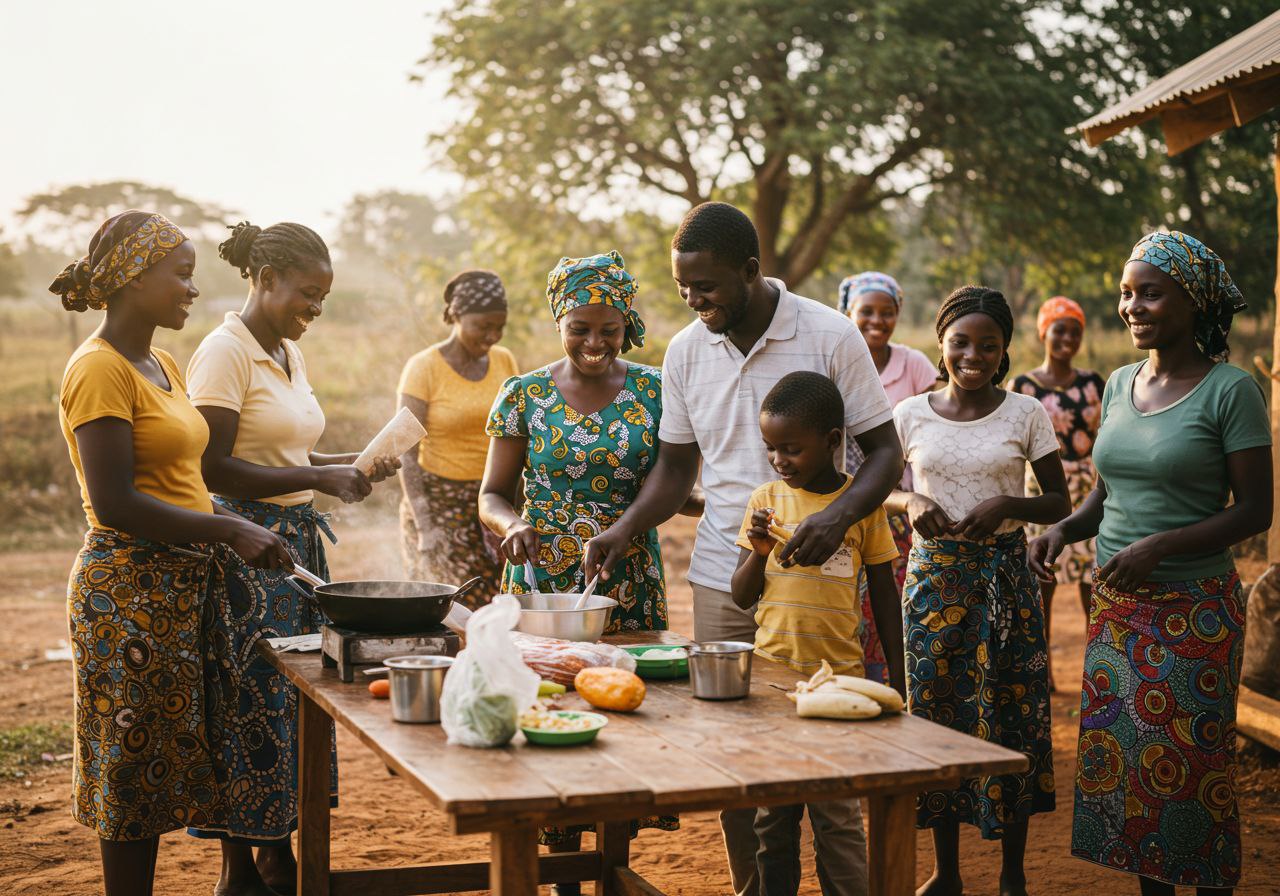
Carrying extra weight means carrying extra pressure—on arteries, the heart, and life expectancy. Weight management is a cornerstone of blood pressure control.
10.1 Introduction: The Weight of the Matter
Hypertension and weight are inseparable partners. Excess body weight is one of the strongest predictors of high blood pressure worldwide. The American Heart Association (Powell-Wiley et al., 2021) describes obesity as a “major driver” of hypertension and cardiovascular disease.
In Africa, rising obesity rates are colliding with already high hypertension prevalence. Aytenew et al. (2024, PLOS ONE) note that Africa is contributing disproportionately to global hypertension burdens due, in part, to rapid urbanization, changing diets, and declining physical activity. This shift makes weight management not just a lifestyle choice but a public health necessity.
10.2 The Physiology: How Excess Weight Raises Blood Pressure
The connection between weight and hypertension is not only statistical—it is biological. Hall et al. (2021, Nature Reviews Nephrology) outline several mechanisms:
- Increased Sympathetic Activity: Extra fat stimulates the nervous system, tightening blood vessels.
- Kidney Dysfunction: Obesity impairs kidney filtration, promoting sodium retention and raising blood pressure.
- Hormonal Imbalances: Fat tissue produces hormones and inflammatory signals that stiffen arteries.
- Cardiac Strain: Extra weight increases blood volume, forcing the heart to work harder.
These mechanisms explain why even modest weight loss—5 to 10% of body weight—can produce meaningful reductions in blood pressure.
10.3 The African Weight-Hypertension Crisis
Akinlua & Adeniji (2022, BMC Cardiovascular Disorders) found high rates of obesity-linked hypertension in Nigerian adults, with women disproportionately affected. Similar patterns are seen across sub-Saharan Africa, where cultural norms often equate larger body size with prosperity and health.
Konlan et al. (2023, Global Heart) emphasize that self-care strategies for hypertension must directly address weight management. Without tackling obesity, dietary and pharmacological interventions struggle to succeed.
Journalistically, the crisis is visible: in Lagos, “office lifestyles” have produced expanding waistlines among middle-class professionals; in South Africa, obesity rates rival those of high-income countries, with hypertension following closely behind.
10.4 Global Evidence on Weight and Hypertension
Globally, evidence is consistent. Forouhi & Unwin (2020, Lancet Diabetes & Endocrinology) report that weight reduction is among the most effective non-pharmacological interventions for preventing and controlling hypertension.
Ilori et al. (2023, Journal of Hypertension) found that lifestyle interventions targeting weight—through diet, exercise, or combined approaches—lowered systolic blood pressure by up to 10 mmHg in African populations. These reductions are comparable to those achieved by first-line antihypertensive drugs, highlighting the power of weight control.
10.5 Barriers to Weight Management in Africa
Despite the evidence, weight loss remains a challenge in African contexts. Barriers include:
- Cultural Norms: In some communities, larger body size symbolizes wealth, fertility, or social success.
- Urban Diets: Processed foods, fried snacks, and sugary drinks dominate urban food environments.
- Economic Pressures: Healthy foods like fruits and lean proteins are often more expensive than calorie-dense staples.
- Limited Awareness: Many do not link weight directly with blood pressure, focusing instead on heredity or stress.
Konlan et al. (2023) stress that weight-focused self-care must consider these cultural and socioeconomic realities to be effective.
10.6 Practical Strategies: Losing Weight Without Pills
Effective weight management does not require expensive gyms or exotic diets. Simple, culturally adapted strategies can make a difference:
- Portion Control: Reducing serving sizes of starchy staples.
- Balanced Meals: Pairing carbohydrates with vegetables and legumes.
- Active Transport: Walking or cycling instead of relying solely on cars or buses.
- Community Support: Weight management groups or church wellness clubs.
- Education Campaigns: Highlighting the health risks of obesity in culturally sensitive ways.
Ilori et al. (2023) found that when lifestyle interventions are community-driven, adherence improves and blood pressure reductions are sustained.
10.7 Success Stories: Communities Taking Control
Across Africa, community-driven initiatives are showing that weight loss and blood pressure control are possible without pills:
- Kenya: A women’s cooperative in Kisumu launched a “Healthy Cooking Club,” where members learned to reduce oil in stews and increase vegetable portions. Within six months, participants reported measurable weight loss and lower blood pressure.
- Nigeria: Office workers in Lagos created lunchtime walking groups, framing it as networking as well as exercise. One participant shared how losing 8 kg dropped his blood pressure to near-normal levels.
- South Africa: Township gyms paired affordable aerobics classes with group weigh-ins and nutrition education, creating a sense of accountability.
These journalistic accounts mirror the evidence: modest lifestyle changes, when shared and supported, transform lives.
10.8 Integrating Weight Management into Healthcare
Healthcare systems must move beyond medication to include structured weight management. Konlan et al. (2023) recommend that clinics incorporate body mass index (BMI) checks, waist circumference measurements, and personalized counseling into hypertension care.
Ilori et al. (2023) highlight that interventions combining medical guidance with community reinforcement achieve the best results. For instance, nurses who not only prescribe medication but also set weight-loss goals with patients see higher rates of blood pressure control.
By embedding weight management into routine care, health systems make it a normal and expected part of hypertension treatment.
10.9 Policy Recommendations: Tackling Obesity Systemically
Weight control cannot rest on individuals alone—it requires structural change. Powell-Wiley et al. (2021) and Forouhi & Unwin (2020) recommend policy actions such as:
- Taxing sugary drinks and using revenues to subsidize fruits and vegetables.
- Regulating food advertising, especially junk food aimed at children.
- Promoting active urban design, with sidewalks, bike lanes, and parks.
- Workplace wellness programs, encouraging physical activity and healthy meals.
In Nigeria, Akinlua & Adeniji (2022) note that obesity prevalence has outpaced policy responses. Without systemic action, Africa risks repeating the mistakes of high-income countries where obesity epidemics became entrenched before interventions scaled.
10.10 Changing Narratives: From Status to Risk
One of the greatest barriers to weight management in Africa is cultural perception. In many communities, larger body size is admired as a sign of prosperity or attractiveness. Yet as obesity increasingly drives hypertension and early death, this narrative must shift.
Public campaigns should highlight stories of strength, resilience, and vitality linked to healthy body weight. Faith leaders and traditional authorities can play pivotal roles in reframing excess weight from a symbol of wealth to a symbol of risk. Journalistic storytelling—showcasing everyday Africans reclaiming their health—can accelerate this cultural shift.
10.11 The Bigger Picture: Obesity, Hypertension, and Africa’s Future
Hall et al. (2021) emphasize that obesity is not only about body image but about organ health. Excess weight damages kidneys, stiffens arteries, and drives lifelong hypertension. For Africa, where populations are young but urbanizing rapidly, obesity threatens to overwhelm health systems already stretched by infectious diseases.
Aytenew et al. (2024) warn that Africa’s contribution to the global hypertension burden will keep rising unless obesity prevention becomes a priority. Addressing weight management today could prevent millions of strokes, heart attacks, and kidney failures tomorrow.
10.12 Conclusion: Lightening the Load, Lowering the Pressure
Weight is one of the most modifiable risk factors for hypertension. Academic evidence (Hall et al., 2021; Ilori et al., 2023; Powell-Wiley et al., 2021) proves that losing weight reduces blood pressure as effectively as medication. Journalistic stories confirm that Africans across cities and villages are finding creative, affordable ways to slim down and regain control of their health.
The way forward is clear: combine personal action with systemic support. By reframing weight management as empowerment rather than sacrifice, Africa can lighten both its physical and cardiovascular burdens.
Part 11: Community and Family Support in Healthy Living
Hypertension is not fought alone. Families, neighbors, and communities are the hidden medicine that helps people live healthier, longer lives.
11.1 Introduction: The Power of Collective Care
Hypertension is often treated as an individual problem: a person’s diet, weight, or exercise habits. Yet, in Africa, where life is deeply communal, support from families and communities can make or break blood pressure control.
Mengesha et al. (2024, PLOS Global Public Health) demonstrate that community-based interventions significantly improve hypertension prevention and management outcomes across sub-Saharan Africa. Similarly, Gafane-Matemane et al. (2025) highlight community-driven programs as vital strategies in a context where health systems are often under-resourced.
The lesson is clear: lowering blood pressure without a pill often requires a village.
11.2 Families as the First Line of Defense
In most African households, families determine food choices, caregiving, and lifestyle norms. When one member is hypertensive, family support becomes critical:
- Meal Preparation: Family cooks can reduce salt and include more vegetables in shared meals.
- Reminders and Accountability: Children or spouses can remind patients to check blood pressure, hydrate, or attend clinic visits.
- Emotional Support: Living with a chronic condition is stressful; encouragement reduces anxiety and promotes adherence.
Akinlua & Adeniji (2022, BMC Health Services Research) found that in Nigeria, patients with strong family support were more likely to follow lifestyle advice and achieve better blood pressure control.
11.3 Community-Based Interventions: Evidence and Impact
At the broader level, community interventions have been tested across Africa with encouraging results. Mengesha et al. (2024) review dozens of trials where churches, schools, and village associations became hubs for blood pressure checks, health education, and peer support.
Balogun et al. (2022, BMC Public Health) highlight that these grassroots strategies are particularly effective because they are locally owned, culturally relevant, and trusted. Whether through village meetings, market gatherings, or cooperative groups, community settings bring health into everyday life.
11.4 Health System Partnerships with Communities
Health systems cannot manage hypertension alone. Byiringiro et al. (2023, PLOS) argue that integrating community structures into service delivery expands reach and sustainability. For example, community health workers trained to check blood pressure and provide lifestyle counseling can extend care to households far from hospitals.
Parati et al. (2022, Hypertension) echo this in their global call to action: partnerships between health systems and community structures are essential to reach the millions living with undiagnosed or uncontrolled hypertension.
11.5 Cultural Beliefs and Social Norms
Sekome et al. (2024, BMC Public Health) show that in South Africa, cultural beliefs about hypertension shape how patients engage with care. Some view hypertension as a “temporary illness” or attribute it to spiritual causes. These beliefs affect whether people seek help or adhere to advice.
Here, community leaders—elders, faith leaders, and traditional healers—play vital roles in shaping perceptions. Gafane-Matemane et al. (2025) argue that involving these figures in health promotion efforts ensures credibility and cultural resonance.
11.6 Journalistic Lens: Stories of Support
Stories across the continent illustrate the importance of social support:
- In Kenya, a church group started Sunday health checks, pairing spiritual encouragement with practical blood pressure monitoring.
- In Nigeria, families began cooking with local spices instead of stock cubes after a grandmother’s diagnosis, improving the whole household’s diet.
- In South Africa, a rural women’s group pooled funds to buy a community blood pressure machine, rotating it between households.
These stories show that support is not abstract—it is lived daily in meals shared, conversations held, and small collective actions.
11.7 Barriers to Community and Family Support
While families and communities are powerful allies, several barriers limit their effectiveness:
- Knowledge Gaps: Many family caregivers lack accurate information about hypertension management (Akinlua & Adeniji, 2022).
- Economic Constraints: Families may want to cook healthier meals but cannot afford fruits or lean proteins.
- Cultural Norms: In some communities, lifestyle advice from clinics is ignored if it contradicts traditional beliefs (Sekome et al., 2024).
- Stigma: Some hypertensive patients hide their condition, fearing discrimination or misunderstanding.
Balogun et al. (2022) stress that successful interventions must first overcome these obstacles through education, cultural adaptation, and trust-building.
11.8 Success Stories: Communities Driving Change
Examples across Africa prove that these barriers can be overcome:
- Ethiopia: Village health workers trained mothers’ groups to prepare low-salt meals. As trust grew, families began sharing recipes and encouraging each other.
- Ghana: Market women organized a “healthy sellers’ club,” where vendors swapped fried snacks for fruits and gained both health and customers.
- Rwanda: Community cooperatives integrated blood pressure checks into farming associations, normalizing hypertension care as part of daily work.
Mengesha et al. (2024) report that such grassroots efforts are sustainable because they rely on existing social capital rather than external systems alone.
11.9 Family-Centered Strategies in Hypertension Control
Evidence shows that when families are fully engaged, outcomes improve. Gafane-Matemane et al. (2025) suggest that health workers should design interventions with the entire household in mind, not just the diagnosed individual. Practical strategies include:
- Teaching families how to cook traditional meals with less salt.
- Encouraging group participation in evening walks.
- Training spouses and children to help with blood pressure checks at home.
- Empowering family members to provide emotional encouragement during stressful periods.
This approach recognizes hypertension not as an individual burden but as a shared health journey.
11.10 Policy Recommendations: Scaling Up Community Support
To make family and community support systematic rather than incidental, policymakers should:
- Invest in Community Health Workers: Train and equip them with blood pressure monitors.
- Support Peer Groups: Fund local clubs, faith groups, and cooperatives that promote healthy living.
- Embed Education in Schools and Churches: Make hypertension awareness part of everyday life.
- Recognize Traditional Leaders: Engage elders and healers as partners in health promotion.
Parati et al. (2022) emphasize that these measures align with global strategies to improve hypertension control, especially in resource-limited regions.
11.11 Changing Narratives: From Individual Struggle to Collective Care
Journalistic reporting highlights that many Africans see hypertension as a lonely battle. Shifting the narrative is vital. Campaigns should highlight families and communities who successfully manage the condition together—transforming blood pressure control from an individual struggle into a collective act of care and solidarity.
This framing resonates with Africa’s cultural emphasis on ubuntu—“I am because we are.” When communities embrace hypertension prevention as a shared responsibility, success rates soar.
11.12 Conclusion: The Village as Medicine
Research (Mengesha et al., 2024; Gafane-Matemane et al., 2025; Byiringiro et al., 2023) and lived experience converge on one truth: hypertension management in Africa cannot succeed without families and communities. Whether through shared meals, group exercise, or collective encouragement, social support multiplies the impact of individual efforts.
The most powerful pill may not be chemical at all—it may be the support of a spouse, a prayer group, or a village cooperative. By harnessing Africa’s communal spirit, blood pressure can be lowered, lives saved, and futures protected.
Part 12: Preventing Hypertension Before It Starts
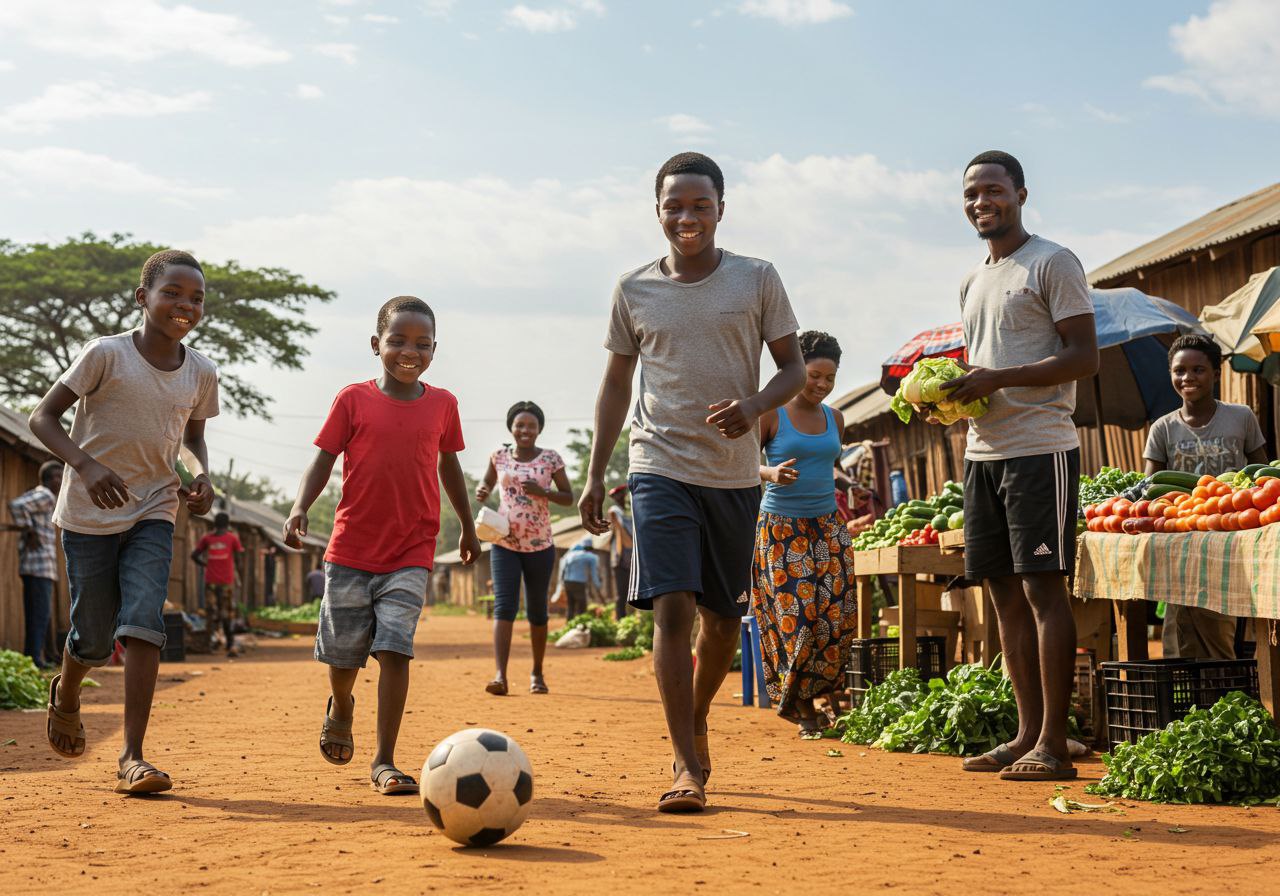
The best way to fight hypertension is to stop it from ever taking root. Prevention is Africa’s strongest, cheapest, and most sustainable medicine.
12.1 Introduction: Shifting the Lens to Prevention
Hypertension is often described as a silent killer, but equally dangerous is the silence around prevention. Too often, resources are directed toward treating people after blood pressure has already climbed into the danger zone. Yet the evidence is clear: prevention strategies—healthy diet, active lifestyles, stress management, and community action—are cheaper and more effective than treatment.
The WHO (2023) global report urges governments to prioritize primary prevention, arguing that every dollar spent on prevention saves many more in healthcare costs and productivity losses. For Africa, where health systems are already burdened, prevention is not just a choice but a necessity.
12.2 Why Prevention Matters in Africa
Aytenew et al. (2024, PLOS ONE) note that Africa contributes disproportionately to global hypertension, with prevalence rising even among young adults. This means millions will face lifelong complications unless risk factors are addressed early.
Jobe (2025, Circulation Research) argues that prevention is Africa’s greatest opportunity: while high-income countries battle entrenched hypertension epidemics, African nations can still curb the wave before it overwhelms health systems. Prevention is a race—and Africa is still early enough to win.
12.3 Lifestyle Foundations: Healthy Choices Early
Mukamurera (2024) highlights how lifestyle changes—less salt, more vegetables, regular exercise, reduced stress—form the foundation of prevention. But prevention must begin long before diagnosis. Children’s diets, school activities, and household habits all shape future risk.
Journalistically, this translates to practical examples:
- School feeding programs that include fresh fruit daily.
- Community sports events that normalize physical activity.
- Family cooking practices that replace seasoning cubes with herbs.
Prevention is not a single act but a culture cultivated from childhood.
12.4 Community-Based Prevention
Mengesha et al. (2024, PLOS Global Public Health) reviewed community-based strategies and found strong evidence that community-driven prevention works. Whether through church gatherings, women’s groups, or market associations, education and support spread more effectively when carried by trusted voices.
Balogun et al. (2022, BMC Public Health) add that public health strategies succeed when rooted in African realities. For example, using local proverbs to communicate the dangers of “too much salt,” or staging cooking competitions where healthier recipes are rewarded, ensures prevention feels familiar rather than foreign.
12.5 Policy Levers for Prevention
Gafane-Matemane et al. (2025) emphasize that prevention cannot be left to individuals alone. Policy must create enabling environments:
- Food Policies: Taxes on sugary drinks, sodium reduction in processed foods, subsidies for fruits and vegetables.
- Urban Design: Safe sidewalks, parks, and cycling lanes.
- Workplace Wellness: Mandatory health checks and exercise breaks.
- Health Education: Campaigns that integrate hypertension awareness into schools, faith centers, and media.
The WHO (2023) stresses that policy-driven environments make the healthy choice the easy choice.
12.6 Cultural Shifts: Reframing Prevention
Cultural beliefs shape behavior as much as biology. Sekome et al. (2024) and Mukamurera (2024) note that many Africans associate meat and salt with prosperity, while vegetables and restraint are linked to poverty. Prevention requires reframing—celebrating plant-forward diets, active lifestyles, and stress-free living as signs of modern strength.
Journalistic evidence shows this shift is already underway: in Ghana, kontomire stews are promoted as “heritage wellness foods,” while in Rwanda, cycling is reframed as urban sophistication. Prevention succeeds when it honors culture while reshaping values.
References
Akinlua, J. T. & Adeniji, F. (2022) ‘Community perceptions and support in hypertension care in Nigeria’, BMC Health Services Research, 22, 1452. Available at: https://bmchealthservres.biomedcentral.com/articles/10.1186/s12913-022-08927-7
Akinlua, J. T. & Adeniji, F. (2022) ‘Obesity, hypertension and cardiovascular risk in Nigeria: a cross-sectional study’, BMC Cardiovascular Disorders, 22, 197. Available at: https://bmccardiovascdisord.biomedcentral.com/articles/10.1186/s12872-022-02577-9
Aliasgharzadeh, S., et al. (2022) ‘Effect of fruit- and vegetable-rich dietary interventions on blood pressure: systematic review and meta-analysis’, PLOS ONE, 17(12), e0277929. Available at: https://doi.org/10.1371/journal.pone.0277929
Altawili, A. A., et al. (2023) ‘An exploration of dietary strategies for hypertension management: narrative review’, Cureus, 15(12), e208479. Available at: https://www.cureus.com/articles/208479-an-exploration-of-dietary-strategies-for-hypertension-management-a-narrative-review
Appiah, S. C. Y., et al. (2020) ‘African traditional medicine use in hypertension management: risks and opportunities’, BMC Complementary Medicine and Therapies, 20, 192. Available at: https://bmccomplementmedtherapies.biomedcentral.com/articles/10.1186/s12906-020-02963-y
Aytenew, T. M., et al. (2024) ‘Global prevalence of hypertension and Africa’s contribution’, PLOS ONE, 19(2), e0301547. Available at: https://journals.plos.org/plosone/article?id=10.1371/journal.pone.0301547
Balogun, W. O., et al. (2022) ‘Community-based strategies for hypertension control in Africa: lessons from implementation research’, BMC Public Health, 22, 1789. Available at: https://bmcpublichealth.biomedcentral.com/articles/10.1186/s12889-022-14027-1
Balogun, W. O., et al. (2022) ‘Primary prevention of hypertension: public health strategies in Africa’, BMC Public Health, 22, 1789. Available at: https://bmcpublichealth.biomedcentral.com/articles/10.1186/s12889-022-14027-1
Batubo, N. P., et al. (2023) ‘Dietary factors and hypertension risk in West Africa’, BMC Public Health, 23, 1327. Available at: https://pmc.ncbi.nlm.nih.gov/articles/PMC10650801/
Bayaraa, N., et al. (2025) ‘A holistic approach for hypertension control in Africa’, Journal of Human Hypertension, advance online publication. Available at: https://www.nature.com/articles/s41371-023-00845-7
Byiringiro, S., et al. (2023) ‘Health systems interventions for hypertension management and associated outcomes in Sub-Saharan Africa: a systematic review’, PLOS Global Public Health, 3(6), e0001794. Available at: https://doi.org/10.1371/journal.pgph.0001794
Cernota, M., et al. (2022) ‘Non-pharmacological interventions to achieve blood pressure control in patients with hypertension: a systematic review’, BMJ Open, 12(2), e048079. Available at: https://bmjopen.bmj.com/content/12/2/e048079
Forouhi, N. G. & Unwin, N. (2020) ‘Global diet and health: the role of weight management in hypertension prevention’, Lancet Diabetes & Endocrinology, 8(9), pp. 693–695. Available at: https://www.thelancet.com/journals/landia/article/PIIS2213-8587(20)30212-3/fulltext
Francis, N. S. (2024) ‘Effectiveness of herbs taken concurrently with antihypertensive drugs: a systematic review’, Journal of Ethnopharmacology, 313, 116583. Available at: https://www.sciencedirect.com/science/article/pii/S037887412400583X
Fu, J., et al. (2020) ‘Non-pharmacologic interventions for reducing blood pressure: dietary, physical activity, and other lifestyle approaches’, Journal of the American Heart Association, 9(18), e016804. Available at: https://www.ahajournals.org/doi/10.1161/JAHA.120.016804
Gafane-Matemane, L. F., Mokwatsi, G. G. & Boateng, D. (2025) ‘Hypertension in sub-Saharan Africa: the current profile, prevalence, risk factors and community-based management strategies’, Journal of Human Hypertension, 39, pp. 15–27. Available at: https://www.nature.com/articles/s41371-024-00913-6
Gafane-Matemane, L. F., et al. (2023) ‘Hypertension management in sub-Saharan Africa: an overview of challenges and opportunities for telemedicine’, Conn Health, 2, pp. 9–22. Available at: https://dx.doi.org/10.20517/ch.2022.21
Hall, J. E., do Carmo, J. M., da Silva, A. A., Wang, Z. & Hall, M. E. (2021) ‘Obesity, kidney dysfunction and hypertension: mechanistic links’, Nature Reviews Nephrology, 17, pp. 765–785. Available at: https://www.nature.com/articles/s41581-021-00463-y
Ilori, T. O., et al. (2023) ‘The impact of dietary and lifestyle interventions on blood pressure in sub-Saharan Africa: a systematic review and meta-analysis’, Journal of Hypertension, 41(6), pp. 1152–1160. Available at: https://journals.lww.com/jhypertension/fulltext/2023/06000/the_impact_of_dietary_and_lifestyle_interventions.6.aspx
Javaheri, S. & Redline, S. (2022) ‘Insomnia and risk of hypertension: mechanisms and clinical management’, Nature Reviews Cardiology, 19, pp. 219–232. Available at: https://www.nature.com/articles/s41569-021-00635-5
Jobe, M. (2025) ‘Hypertension in Sub-Saharan Africa: a call to prevention and public health action’, Circulation Research. Available at: https://www.ahajournals.org/doi/10.1161/CIRCRESAHA.124.323889
Kissock, K. R., et al. (2025) ‘A feasibility study: reduced-sodium salt may attenuate rises in blood pressure with age’, Journal of Clinical Hypertension (advance online). Available at: https://www.sciencedirect.com/science/article/pii/S0939475325002832
Konlan, K. D., et al. (2023) ‘Determinants of self-care and home-based management of hypertension in Africa: a systematic review’, Global Heart, 18(1), 58. Available at: https://globalheartjournal.com/articles/10.5334/gh.1234
Lassale, C., et al. (2022) ‘Use of traditional medicine and control of hypertension in Sub-Saharan Africa: a cross-sectional study’, Journal of Ethnopharmacology, 298, 115590. Available at: https://pmc.ncbi.nlm.nih.gov/articles/PMC9163537/
Lo, J. C., Ong, J. L., Leong, R. L., Gooley, J. J. & Chee, M. W. (2021) ‘Cognitive performance, sleepiness, and mood in partially sleep-deprived adolescents: the need for sleep study’, Sleep, 44(2), zsaa191. Available at: https://academic.oup.com/sleep/article/44/2/zsaa191/5904564
Lopes, T., et al. (2022) ‘Assessment of the association between plant-based dietary exposures and cardiovascular disease risk profile in sub-Saharan Africa: a systematic review’, BMC Public Health, 22, 12724. Available at: https://bmcpublichealth.biomedcentral.com/articles/10.1186/s12889-022-12724-9
Malik, K. S., et al. (2022) ‘Prevalence and risk factors of prehypertension in Africa: a systematic review’, Annals of Global Health, 88(1), 99. Available at: https://annalsofglobalhealth.org/articles/10.5334/aogh.2769
Mengesha, E. W., et al. (2024) ‘Effectiveness of community-based interventions for prevention and control of hypertension in sub-Saharan Africa: a systematic review’, PLOS Global Public Health, 4(7), e0003459. Available at: https://pmc.ncbi.nlm.nih.gov/articles/PMC11297718/
Moloro, A. H., et al. (2023) ‘A systematic review and meta-analysis protocol on hypertension prevalence in Africa’, BMJ Open. Available at: https://pmc.ncbi.nlm.nih.gov/articles/PMC10170600/
Mukamurera, N. (2024) ‘Impact of lifestyle changes on hypertension management in West Africa: cultural and regional perspectives’, East African Journal of Health and Science, 6(2), pp. 77–85. Available at: https://www.eajhs.org/article/view/impact-of-lifestyle-changes-on-hypertension
Okyere, J., Monteiro, R. & Semedo, R. M. (2025) ‘Alcohol consumption among persons living with hypertension in Cape Verde: prevalence and determinants’, BMC Public Health, 25, 21663. Available at: https://bmcpublichealth.biomedcentral.com/articles/10.1186/s12889-025-21663-1
Oluyinka, K. (2024) ‘African medicinal plants in hypertension management: a call for safe integration’, Journal of Global Health Science, 6, e13. Available at: https://e-jghs.org/DOIx.php?id=10.35500/jghs.2024.6.e13
Oku, A. O., et al. (2024) ‘Barriers and facilitators to dietary salt reduction among hypertensive patients in Africa’, BMJ Nutrition, Prevention & Health, advance online publication. Available at: https://pmc.ncbi.nlm.nih.gov/articles/PMC11283655/
Oseni, T. I. A., Udonwa, N. E., Oku, A. O., Makinde, M. T. & Archibong, F. (2024) ‘Association between sleep quality and blood pressure control among hypertensive patients at a rural tertiary hospital in Southern Nigeria: a cross-sectional study’, BMJ Open, 14(3), e079774. Available at: https://pubmed.ncbi.nlm.nih.gov/38458777/
Tan, X., Chapman, C. D., Cedernaes, J. & Benedict, C. (2020) ‘Association between short sleep duration and high blood pressure: a systematic review and meta-analysis’, Sleep Medicine, 71, pp. 66–76. Available at: https://www.sciencedirect.com/science/article/pii/S1389945720300877
Tola, M. A. & Gebrehiwot, T. T. (2023) ‘Traditional herbal remedies in the management of metabolic syndrome and hypertension in Ethiopia: a systematic review’, Journal of Evidence-Based Integrative Medicine, 28, 1413038. Available at: https://onlinelibrary.wiley.com/doi/10.1155/2023/1413038
Wang, C., et al. (2021) ‘Effect of sleep duration on hypertension incidence: a systematic review and meta-analysis of prospective studies’, Journal of Clinical Hypertension, 23(4), pp. 813–822. Available at: https://onlinelibrary.wiley.com/doi/full/10.1111/jch.14200
World Health Organization (2022) ‘WHO global report on traditional and complementary medicine’, World Health Organization. Available at: https://www.who.int/publications/i/item/9789240062884
World Health Organization (2023) ‘Global report on hypertension: the race against a silent killer’, World Health Organization. Available at: https://www.who.int/publications/i/item/9789240081519
World Health Organization (2023) ‘Tobacco and hypertension: global health risks’, World Health Organization Bulletin. Available at: https://www.who.int/news/item/17-05-2023-tobacco-and-hypertension
World Health Organization (2025) ‘Sodium reduction’, World Health Organization Fact Sheet. Available at: https://www.who.int/news-room/fact-sheets/detail/sodium-reduction
Yang, Q., Zhang, Z. & Gregg, E. (2021) ‘Hydration and blood pressure regulation: epidemiological evidence and mechanisms’, Nutrients, 13(8), 2714. Available at: https://www.mdpi.com/2072-6643/13/8/2714