
By
Prof. MarkAnthony Nze
Investigative Journalist | Public Intellectual | Global Governance Analyst | Health & Social Care Expert
Executive Summary
Diabetes mellitus—especially type 2 diabetes (T2D)—is a rapidly escalating global health crisis, driven by a combination of insulin resistance, beta-cell dysfunction, genetic predisposition, and lifestyle factors. It is a leading cause of morbidity and premature mortality worldwide, yet mounting evidence shows that its onset can be delayed, its progression slowed, and in some cases, early-stage disease can be put into remission.
This 12-part series presents a comprehensive, evidence-based framework for diabetes prevention, management, and future directions, drawing on the latest clinical research, meta-analyses, and global guidelines.
Understanding Diabetes: T2D is a multifactorial condition, with obesity, physical inactivity, poor diet, and metabolic stress as primary drivers. Early detection and intervention remain critical to preventing long-term complications.
Dietary Strategies: Strong evidence supports whole-food, plant-forward, and Mediterranean-style diets rich in fiber, legumes, vegetables, and healthy fats. These dietary patterns improve insulin sensitivity, lower HbA1c, and reduce cardiovascular risk.
Lifestyle Interventions: Regular physical activity—at least 150 minutes of aerobic exercise per week combined with resistance training—and modest weight loss of 5–10% can prevent T2D and, for some individuals, achieve remission.
Adjunctive Therapies: Natural remedies such as cinnamon, berberine, and fenugreek provide modest benefits as complements to standard care. Mindfulness, yoga, and other stress-management approaches further enhance metabolic outcomes and quality of life.
Intermittent Fasting and Gut Microbiome: Time-restricted eating and intermittent fasting improve insulin sensitivity and metabolic health under medical supervision. Modifying the gut microbiome with probiotics, prebiotics, and dietary changes is emerging as a promising adjunct therapy.
Micronutrient Optimization: Addressing deficiencies in vitamin D, magnesium, zinc, and omega-3 fatty acids can further support glycemic control and overall metabolic health, particularly in high-risk groups.
Psychosocial Factors: Chronic stress, poor sleep, and mental health challenges worsen glycemic control. Cognitive-behavioral therapy, mindfulness, and stress-reduction interventions have demonstrated significant benefits.
Emerging Therapies: Dual incretin agonists, SGLT2 inhibitors, closed-loop insulin delivery, stem cell-derived beta cells, gene-editing technologies, and AI-powered decision support represent the next frontier of diabetes care, with potential for disease modification and remission.
Recommendations: Optimal diabetes care must be individualized, multidisciplinary, and precision-driven—integrating lifestyle modification, evidence-based pharmacotherapy, psychosocial support, and advanced technologies.
Conclusion: Diabetes prevention and treatment are shifting toward holistic, patient-centered, and innovation-led approaches. Combining proven lifestyle strategies with breakthrough therapies offers the greatest potential to reduce the global burden of diabetes and achieve remission or prevention in at-risk populations.
Part 1: Understanding Diabetes – Causes and Types
1.1 Introduction
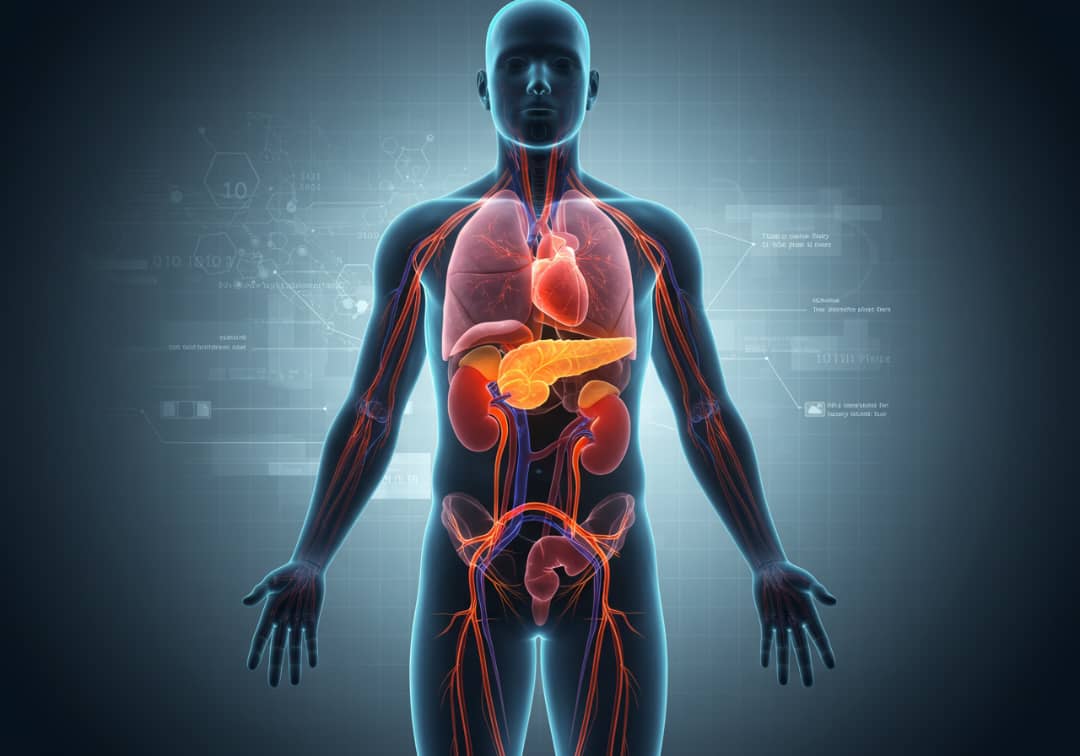
Diabetes mellitus is a chronic metabolic disorder characterized by persistent hyperglycemia, which occurs as a result of impaired insulin secretion, impaired insulin action, or a combination of both (Sun et al., 2022). It is a major global health challenge that contributes substantially to morbidity, mortality, and healthcare costs worldwide. The disease is associated with severe long-term complications, including cardiovascular disease, kidney failure, neuropathy, retinopathy, and increased susceptibility to infections (Palmer et al., 2021).
Over the past decades, the global prevalence of diabetes has increased at an alarming rate, with current estimates suggesting that more than 500 million adults are living with the condition (Cho et al., 2023; Sun et al., 2022). Lifestyle changes, aging populations, and increasing rates of obesity have been key drivers of this rise (Zhou et al., 2021). Given its substantial impact on quality of life and healthcare systems, a comprehensive understanding of the causes and types of diabetes is essential for effective prevention and management.
1.2 Classification of Diabetes
Diabetes mellitus is broadly classified into three major types: Type 1 diabetes (T1D), Type 2 diabetes (T2D), and gestational diabetes mellitus (GDM) (Saeedi et al., 2020). Each type has distinct pathophysiological mechanisms, risk factors, and management strategies. While T1D is primarily autoimmune in origin, T2D is largely associated with insulin resistance and beta-cell dysfunction. GDM, on the other hand, is a transient condition that occurs during pregnancy but has long-term implications for both maternal and fetal health (Lowe et al., 2021).
1.3 Type 1 Diabetes
Type 1 diabetes is an autoimmune condition in which the immune system targets and destroys the insulin-producing beta cells of the pancreas, leading to absolute insulin deficiency (Atkinson, Eisenbarth and Michels, 2021). The disease typically manifests in childhood or adolescence, although cases in adults are increasingly recognized (DiMeglio, Evans-Molina and Oram, 2019).
The etiology of T1D is complex, involving an interaction between genetic susceptibility—particularly variations in the human leukocyte antigen (HLA) system—and environmental triggers such as viral infections and dietary factors (Atkinson, Eisenbarth and Michels, 2021). As the destruction of beta cells progresses, endogenous insulin production declines, ultimately necessitating lifelong exogenous insulin therapy for survival.
The onset of T1D is usually abrupt, with classical symptoms including polyuria, polydipsia, weight loss, and fatigue. If not treated promptly, diabetic ketoacidosis, a life-threatening complication, can occur. Recent advances in research are exploring immune-modulating therapies that could prevent or delay the onset of T1D in high-risk individuals, but such interventions are not yet widely available (DiMeglio, Evans-Molina and Oram, 2019).
1.4 Type 2 Diabetes
Type 2 diabetes is by far the most prevalent form of diabetes, accounting for over 90% of cases globally (Saeedi et al., 2020). It is characterized by insulin resistance—a reduced responsiveness of peripheral tissues such as skeletal muscle and adipose tissue to insulin—and a progressive decline in pancreatic beta-cell function, resulting in relative insulin deficiency (Zheng et al., 2021).
T2D is strongly associated with modifiable risk factors, including overweight and obesity, poor dietary patterns, physical inactivity, and metabolic syndrome (Thomas et al., 2021). Genetic predisposition also plays a significant role, with family history being a recognized risk factor (Zheng et al., 2021).
The disease often has an insidious onset, and many individuals remain undiagnosed for years due to the gradual development of hyperglycemia. Symptoms may include fatigue, blurred vision, recurrent infections, and delayed wound healing. Without adequate management, chronic hyperglycemia can lead to microvascular complications (retinopathy, nephropathy, neuropathy) and macrovascular complications such as coronary artery disease and stroke (Palmer et al., 2021).
Lifestyle interventions, including weight reduction, dietary modifications, and increased physical activity, remain the cornerstone of T2D prevention and management. However, as the disease progresses, many patients require oral hypoglycemic agents or insulin therapy (Thomas et al., 2021).
1.5 Gestational Diabetes Mellitus
Gestational diabetes mellitus is defined as glucose intolerance with onset or first recognition during pregnancy. It is caused by hormonal changes that increase insulin resistance to ensure adequate glucose supply for fetal growth. In susceptible women, this adaptation leads to hyperglycemia (Lowe et al., 2021).
GDM is associated with increased risks of maternal complications, including preeclampsia, cesarean delivery, and future development of T2D. For the fetus, risks include macrosomia, neonatal hypoglycemia, and a higher likelihood of obesity and glucose intolerance later in life (Lowe et al., 2021).
Screening for GDM is recommended for all pregnant women, particularly those with risk factors such as obesity, family history of diabetes, or previous adverse pregnancy outcomes. Management typically involves dietary changes, glucose monitoring, and insulin therapy if necessary (Lowe et al., 2021).
Read also: How France Looted Africa—And Why Traoré Is Ending It
1.6 Global Epidemiology and Trends
Diabetes prevalence has risen dramatically worldwide over the past decades. Between 1980 and 2021, the global number of adults with diabetes increased from 108 million to over 500 million, with projections estimating 700 million cases by 2045 if current trends continue (Sun et al., 2022; Zhou et al., 2021; Cho et al., 2023).
Several factors contribute to this rising prevalence, including rapid urbanization, sedentary lifestyles, unhealthy dietary habits, and population aging. Low- and middle-income countries have been disproportionately affected due to rapid lifestyle transitions and limited access to healthcare services (Saeedi et al., 2020).
1.7 Risk Factors for Diabetes
The key risk factors for diabetes vary depending on the type but include both modifiable and non-modifiable elements:
- Genetics: Family history increases susceptibility, particularly for T1D and T2D (Zheng et al., 2021).
- Obesity: Excess visceral fat is a major driver of insulin resistance and T2D (Thomas et al., 2021).
- Physical inactivity: Sedentary behavior increases the risk of obesity and insulin resistance (Zhou et al., 2021).
- Unhealthy diet: Diets high in refined carbohydrates, processed meats, and sugary beverages contribute to T2D (Sun et al., 2022).
- Pregnancy-related hormonal changes: These underlie GDM in genetically susceptible women (Lowe et al., 2021).
Addressing modifiable risk factors through lifestyle changes is essential to reducing the burden of diabetes and its complications.
1.8 Complications and Public Health Impact
The chronic hyperglycemia of diabetes damages blood vessels and nerves, leading to severe complications over time. Microvascular complications include retinopathy, nephropathy, and neuropathy, while macrovascular complications encompass coronary artery disease, stroke, and peripheral arterial disease (Palmer et al., 2021).
The disease places a heavy economic burden on healthcare systems due to the costs of treatment and managing complications. Prevention strategies, early detection, and effective disease management are therefore critical components of global health policy (Cho et al., 2023).
1.9 Conclusion
Diabetes mellitus is a multifactorial disease with distinct subtypes—Type 1 diabetes, Type 2 diabetes, and gestational diabetes—each with unique etiologies and risk factors. While T1D results from autoimmune beta-cell destruction, T2D is predominantly linked to insulin resistance and progressive beta-cell dysfunction. GDM occurs due to pregnancy-induced insulin resistance in susceptible women.
The global prevalence of diabetes continues to rise, driven by lifestyle changes, population aging, and increasing obesity rates. Addressing the modifiable risk factors of diabetes, along with improving early detection and management, is essential to reducing its growing health and economic burden.
Part 2: The Role of Diet in Diabetes Management

2.1 Introduction
Dietary management plays a central role in both the prevention and management of diabetes mellitus. Nutrition influences glucose metabolism, insulin sensitivity, body weight, and the risk of long-term complications (Ley et al., 2021). Evidence from large prospective studies and randomized controlled trials shows that specific dietary patterns, macronutrient distributions, and food choices can significantly impact glycemic control and diabetes outcomes (Neuenschwander et al., 2020).
2.2 Macronutrient Composition and Glycemic Control
The composition of carbohydrates, fats, and proteins in the diet can affect blood glucose and insulin dynamics. Diets with lower glycemic index (GI) and glycemic load (GL) are associated with improved postprandial glucose control and reduced HbA1c (Jenkins et al., 2021). High-fiber diets, especially those rich in whole grains and legumes, improve insulin sensitivity and reduce fasting glucose levels (Yao et al., 2022).
Protein intake can enhance satiety and improve body weight regulation but should be carefully balanced, especially in individuals with diabetic nephropathy (Ley et al., 2021). Fat quality is more important than total fat content; unsaturated fats, particularly monounsaturated and polyunsaturated fats, improve insulin sensitivity, while trans fats and excessive saturated fats worsen it (Schwingshackl et al., 2021).
2.3 Dietary Patterns for Diabetes Management
Several dietary patterns have been shown to improve glycemic control and reduce diabetes risk:
- Mediterranean diet: Rich in fruits, vegetables, nuts, legumes, whole grains, and olive oil, this diet has been consistently associated with improved glycemic control and reduced incidence of T2D (Martínez-González et al., 2020).
- Plant-based diets: Diets emphasizing whole plant foods improve insulin sensitivity and reduce HbA1c (Lee et al., 2021).
- Low-carbohydrate diets: When well-planned, these diets can improve short-term glycemic control and promote weight loss, though long-term effects remain debated (Goldenberg et al., 2021).
2.4 Dietary Fiber and Whole Foods
Fiber intake has a dose-dependent relationship with improved glycemic control and lower diabetes risk. Soluble fiber, found in oats, legumes, and certain fruits, slows glucose absorption and reduces postprandial spikes (Yao et al., 2022). Whole-food diets with minimal processing are associated with better metabolic outcomes and reduced risk of T2D (Nettleton et al., 2021).
2.5 Impact of Specific Foods
- Nuts and seeds: Improve lipid profiles and glycemic control due to healthy fats and bioactive compounds (Schwingshackl et al., 2021).
- Dairy products: Fermented dairy products such as yogurt have been linked to reduced T2D risk (Neuenschwander et al., 2020).
- Red and processed meats: Consistently associated with an increased risk of T2D (Bhupathiraju et al., 2020).
- Sugary beverages: Major contributors to weight gain and insulin resistance (Bhupathiraju et al., 2020).
2.6 Caloric Restriction and Weight Management
Caloric restriction and weight loss are critical for individuals with T2D, as they improve insulin sensitivity and beta-cell function. Studies such as the DiRECT trial demonstrated that intensive weight-loss interventions through dietary changes can lead to diabetes remission in a significant proportion of patients (Lean et al., 2019).
2.7 Intermittent Fasting and Time-Restricted Feeding
Intermittent fasting and time-restricted eating have gained attention as strategies to improve insulin sensitivity, promote weight loss, and enhance glycemic control. Evidence suggests that these approaches can lower fasting glucose and HbA1c in individuals with T2D, though long-term safety and sustainability require further study (Rynders et al., 2021).
2.8 Cultural and Individualized Dietary Approaches
Effective diabetes nutrition therapy must be culturally tailored and individualized to patient preferences, socioeconomic status, and comorbidities (Ley et al., 2021). Flexible approaches that emphasize overall dietary quality rather than strict macronutrient ratios are more sustainable and lead to better long-term adherence (Nettleton et al., 2021).
2.9 Conclusion
Diet is a cornerstone of diabetes prevention and management. Diets rich in whole grains, fiber, unsaturated fats, legumes, fruits, and vegetables, while low in processed foods, sugary drinks, and red meats, are strongly associated with reduced diabetes risk and improved glycemic control. Personalized nutrition plans that consider cultural preferences and individual metabolic responses are essential for long-term success.
Part 3: Natural Remedies with Scientific Backing

3.1 Introduction
Natural remedies, including medicinal plants, dietary supplements, and lifestyle-based interventions, have been widely explored for their potential role in the prevention and management of diabetes. Many bioactive compounds derived from plants demonstrate hypoglycemic, insulin-sensitizing, and antioxidant properties, which may complement conventional diabetes treatments (Petchi et al., 2023). Interest in natural remedies has grown due to concerns about the side effects and costs of long-term pharmacological therapies. However, the efficacy and safety of these remedies must be supported by rigorous scientific evidence before clinical use (Bahadoran et al., 2020).
3.2 Cinnamon (Cinnamomum spp.)
Cinnamon is one of the most extensively studied natural products for glycemic control. It contains polyphenolic compounds that improve insulin receptor phosphorylation, increase glucose uptake, and enhance glycogen synthesis (Al-Dhubiab et al., 2022). Randomized controlled trials (RCTs) have shown that cinnamon supplementation can significantly reduce fasting blood glucose and HbA1c in individuals with T2D (Sheng et al., 2020).
3.3 Berberine
Berberine, an isoquinoline alkaloid found in plants such as Berberis species, exhibits potent antihyperglycemic activity. It acts through multiple mechanisms, including the activation of AMP-activated protein kinase (AMPK), inhibition of hepatic gluconeogenesis, and modulation of gut microbiota (Dong et al., 2021). Meta-analyses have demonstrated that berberine is as effective as metformin in reducing fasting glucose, HbA1c, and lipid levels in T2D patients, with a favorable safety profile (Cicero and Baggioni, 2021).
3.4 Bitter Melon (Momordica charantia)
Bitter melon is traditionally used in Asian and African medicine for diabetes management. It contains charantin, vicine, and polypeptide-p, which exert insulin-like effects, enhance glucose utilization, and reduce hepatic gluconeogenesis (Han et al., 2022). RCTs have shown modest reductions in fasting glucose and HbA1c, although variability in preparation and dosage affects efficacy (Leung et al., 2020).
3.5 Fenugreek (Trigonella foenum-graecum)
Fenugreek seeds are rich in soluble fiber and bioactive compounds such as 4-hydroxyisoleucine, which enhance insulin secretion and improve glycemic control (Neelakantan et al., 2022). Clinical trials indicate that fenugreek supplementation significantly lowers fasting glucose and improves glucose tolerance in individuals with prediabetes and T2D (Siddiqui et al., 2021).
3.6 Aloe Vera
Aloe vera contains phytosterols and polyphenols that exert hypoglycemic effects by improving insulin sensitivity and reducing hepatic gluconeogenesis (Petchi et al., 2023). Meta-analyses of clinical studies suggest that aloe vera supplementation significantly reduces fasting glucose and HbA1c levels in T2D patients (Kumar et al., 2021).
3.7 Curcumin (Turmeric)
Curcumin, the active compound in turmeric (Curcuma longa), has anti-inflammatory and antioxidant properties that may improve beta-cell function and insulin sensitivity (Marton et al., 2021). RCTs indicate that curcumin supplementation can reduce HbA1c and fasting glucose, particularly in individuals with metabolic syndrome or prediabetes (Ghorbani et al., 2022).
3.8 Gymnema Sylvestre
Gymnema sylvestre, often referred to as the “sugar destroyer,” has bioactive compounds (gymnemic acids) that may stimulate insulin secretion, regenerate pancreatic beta cells, and reduce intestinal glucose absorption (Porwal et al., 2021). Human studies have reported improved glycemic control and reduced insulin requirements in T2D patients (Patel et al., 2021).
3.9 Probiotics and Gut Microbiota Modulation
The gut microbiota plays a critical role in glucose metabolism. Probiotic supplementation has been shown to improve insulin sensitivity and reduce inflammation in individuals with T2D (Zhou et al., 2022). Clinical studies suggest that certain strains, such as Lactobacillus and Bifidobacterium, can significantly lower fasting glucose and HbA1c when used as adjunct therapy (Zheng et al., 2023).
3.10 Safety and Limitations
Although many natural remedies demonstrate promising effects, their efficacy can vary due to differences in preparation, dosage, and bioavailability. Additionally, herb-drug interactions and potential toxicity must be carefully considered. Therefore, natural remedies should be used under medical supervision and as part of an evidence-based treatment plan (Bahadoran et al., 2020).
3.11 Conclusion
Natural remedies, including cinnamon, berberine, bitter melon, fenugreek, aloe vera, and curcumin, have shown evidence-based benefits in improving glycemic control and insulin sensitivity. However, standardization, dosage optimization, and long-term safety studies remain essential for their integration into mainstream diabetes care. While these remedies may complement pharmacological treatment, they should not replace conventional therapies without clinical guidance.
Part 4: Herbal and Plant-Based Treatments for Diabetes

4.1 Introduction
Herbal and plant-based therapies have been used for centuries in traditional medicine systems, such as Ayurveda, Traditional Chinese Medicine, and African herbal practices, for the management of diabetes. Many plants contain bioactive compounds that modulate glucose metabolism, enhance insulin secretion, improve insulin sensitivity, and reduce oxidative stress and inflammation (Bahadoran et al., 2020).
Modern pharmacological studies and clinical trials have provided growing evidence for the efficacy of specific herbal treatments as adjunct therapies for diabetes management. These treatments are increasingly gaining global attention due to their perceived natural origins, availability, and potential for fewer side effects compared to synthetic drugs. However, variability in the quality of herbal products, dosages, and clinical study designs remains a major limitation to their widespread adoption (Wang et al., 2022).
4.2 Mechanisms of Action of Herbal Therapies
The antidiabetic properties of herbal remedies are mediated by several mechanisms:
- Enhancement of insulin secretion: Certain plant compounds stimulate pancreatic beta-cell activity and insulin release.
- Improved insulin sensitivity: Bioactive phytochemicals enhance insulin receptor signaling pathways and glucose uptake in muscle and adipose tissue.
- Reduction in hepatic glucose production: Some herbs inhibit gluconeogenesis and glycogenolysis.
- Modulation of gut microbiota: Herbal treatments can beneficially influence gut microbial composition, which plays a role in glucose homeostasis.
- Antioxidant and anti-inflammatory effects: Many herbs reduce oxidative stress and chronic low-grade inflammation, key contributors to diabetes pathogenesis (Ghorbani et al., 2022).
4.3 Commonly Studied Herbal Remedies
4.3.1 Cinnamon (Cinnamomum spp.)
Cinnamon contains polyphenols that enhance insulin signaling and glucose uptake. Meta-analyses have shown that cinnamon supplementation leads to modest but significant reductions in fasting blood glucose and HbA1c (Sheng et al., 2020). However, the effects depend on species type (C. cassia vs. C. verum), dosage, and duration of supplementation (Al-Dhubiab et al., 2022).
4.3.2 Berberine
Berberine, found in plants such as Berberis vulgaris, has been extensively studied for its antidiabetic effects. It activates AMP-activated protein kinase (AMPK), leading to enhanced glucose uptake and reduced hepatic gluconeogenesis. Clinical trials demonstrate that berberine can reduce fasting blood glucose and HbA1c levels comparable to metformin (Cicero and Baggioni, 2021).
4.3.3 Bitter Melon (Momordica charantia)
Bitter melon contains insulin-like peptides (polypeptide-p) and compounds such as charantin that reduce blood glucose by mimicking insulin and enhancing glucose utilization. RCTs have shown reductions in fasting glucose and postprandial glucose, although variability in preparation and dosage remains a challenge (Han et al., 2022).
4.3.4 Fenugreek (Trigonella foenum-graecum)
Fenugreek seeds are rich in soluble fiber and 4-hydroxyisoleucine, which enhances insulin secretion. Clinical studies have demonstrated improvements in fasting blood glucose, postprandial glucose, and HbA1c, particularly in individuals with early-stage T2D (Neelakantan et al., 2022).
4.3.5 Aloe Vera
Aloe vera gel contains phytosterols and polysaccharides that improve insulin sensitivity and reduce gluconeogenesis. Systematic reviews report significant reductions in fasting blood glucose and HbA1c with aloe supplementation, especially in individuals with prediabetes and T2D (Kumar et al., 2021).
4.3.6 Curcumin (Curcuma longa)
Curcumin has potent antioxidant and anti-inflammatory properties. RCTs have shown that curcumin supplementation improves insulin sensitivity, reduces HbA1c, and lowers fasting blood glucose (Ghorbani et al., 2022).
4.3.7 Gymnema Sylvestre
Gymnema sylvestre has gymnemic acids that reduce intestinal glucose absorption and may promote beta-cell regeneration. Clinical studies have reported reductions in fasting glucose and HbA1c, along with decreased insulin requirements (Patel et al., 2021).
4.4 Evidence from Clinical Studies
Systematic reviews and meta-analyses of herbal interventions have demonstrated consistent but modest improvements in glycemic control. For instance, berberine and cinnamon show reductions in HbA1c by approximately 0.5–0.7%, which is comparable to some oral antidiabetic drugs (Cicero and Baggioni, 2021; Sheng et al., 2020). Aloe vera and fenugreek have demonstrated additional benefits in lipid profiles and inflammatory markers (Kumar et al., 2021; Neelakantan et al., 2022).
However, variability in dosage, preparation (extracts, powders, capsules), and study designs makes it difficult to establish standardized recommendations. Moreover, many studies are of short duration, highlighting the need for long-term RCTs.
4.5 Safety Considerations
Although herbal remedies are often perceived as safe, potential adverse effects and drug-herb interactions exist. For example, excessive cinnamon intake (particularly C. cassia) may lead to liver toxicity due to coumarin content. Berberine can interact with cytochrome P450 enzymes, affecting drug metabolism (Bahadoran et al., 2020).
Therefore, herbal therapies should be used cautiously and preferably under medical supervision, particularly in individuals taking multiple medications. Regulatory oversight is also needed to ensure product quality and safety (Wang et al., 2022).
4.6 Integration into Diabetes Management
Herbal treatments should be considered adjuncts to conventional therapy rather than replacements for evidence-based pharmacological interventions. Integrating herbal remedies into personalized care plans requires considering individual preferences, cultural practices, and potential risks. Healthcare professionals should ensure that patients use standardized products backed by scientific evidence and avoid unverified commercial supplements (Petchi et al., 2023).
4.7 Conclusion
Herbal and plant-based treatments such as cinnamon, berberine, bitter melon, fenugreek, aloe vera, curcumin, and Gymnema sylvestre show promise as complementary therapies for diabetes management. Evidence supports their modest efficacy in improving glycemic control, insulin sensitivity, and lipid metabolism. However, variability in product quality, dosing, and study design necessitates more robust clinical trials to establish long-term efficacy and safety.
While these treatments may support diabetes management, they should not replace conventional therapies unless guided by qualified healthcare professionals. The future of herbal medicine lies in standardized formulations, rigorous testing, and integration into holistic diabetes care.
Part 5: Exercise and Lifestyle Interventions for Diabetes

5.1 Introduction
Lifestyle modification, including structured exercise and behavioral interventions, is a cornerstone of both prevention and management of diabetes mellitus. Evidence from randomized controlled trials (RCTs) and large cohort studies has consistently shown that regular physical activity, combined with dietary modification and weight management, can prevent the onset of type 2 diabetes (T2D) and improve glycemic control in individuals with established diabetes (Colberg et al., 2022; Umpierre et al., 2021).
While pharmacological treatments remain essential for many patients, lifestyle interventions target the root causes of insulin resistance and beta-cell dysfunction, offering benefits beyond glucose regulation, including improved lipid profiles, blood pressure, and cardiovascular health (Pedersen and Saltin, 2021).
5.2 Role of Exercise in Glycemic Control
5.2.1 Mechanisms of Action
Exercise improves glucose homeostasis through several mechanisms:
- Enhanced glucose uptake: Muscle contractions during exercise increase glucose uptake via insulin-independent pathways mediated by GLUT4 translocation.
- Improved insulin sensitivity: Regular physical activity enhances insulin receptor function and downstream signaling.
- Reduced hepatic glucose output: Exercise lowers hepatic gluconeogenesis, reducing fasting glucose levels.
- Weight reduction and fat distribution: Exercise helps reduce visceral fat, which is strongly linked to insulin resistance (Sylow and Richter, 2021).
5.2.2 Evidence from Clinical Trials
RCTs, including the landmark Diabetes Prevention Program (DPP), have demonstrated that intensive lifestyle intervention combining diet and exercise reduces the risk of developing T2D by 58% among individuals with prediabetes (Knowler et al., 2021). Exercise interventions in individuals with established T2D significantly reduce HbA1c, fasting glucose, and insulin resistance, with greater benefits seen in structured aerobic and resistance training programs (Umpierre et al., 2021).
5.3 Types of Exercise for Diabetes
5.3.1 Aerobic Exercise
Aerobic activities such as walking, cycling, or swimming improve cardiovascular fitness and insulin sensitivity. Meta-analyses show that at least 150 minutes per week of moderate-intensity aerobic exercise reduces HbA1c by ~0.6% in individuals with T2D (Colberg et al., 2022).
5.3.2 Resistance Training
Resistance training improves muscle mass, enhances basal metabolic rate, and promotes glucose uptake. Studies demonstrate that combining aerobic and resistance exercise yields superior improvements in glycemic control compared to either alone (Maiorana et al., 2020).
5.3.3 High-Intensity Interval Training (HIIT)
HIIT consists of short bursts of intense exercise alternated with recovery periods. Evidence suggests that HIIT is as effective, if not more, than moderate-intensity continuous exercise in improving insulin sensitivity and cardiovascular health in individuals with T2D (Jelleyman et al., 2021).
5.3.4 Flexibility and Balance Training
Although flexibility and balance exercises such as yoga and tai chi have smaller effects on glycemic control, they improve quality of life, stress reduction, and overall well-being, which indirectly support diabetes management (Liu et al., 2021).
5.4 Lifestyle Interventions Beyond Exercise
5.4.1 Weight Loss and Maintenance
Weight loss, particularly a reduction of 5–10% of body weight, significantly improves insulin sensitivity and can lead to partial or complete remission of T2D in some individuals (Lean et al., 2019). The DiRECT trial demonstrated that intensive weight management using low-calorie diets achieved remission in nearly half of participants with T2D after 12 months (Lean et al., 2019).
5.4.2 Behavioral Therapy and Self-Management Education
Behavioral interventions that focus on goal setting, self-monitoring, and motivational interviewing enhance adherence to lifestyle changes (Davies et al., 2022). Diabetes self-management education (DSME) has been shown to improve HbA1c, self-efficacy, and quality of life in individuals with T2D (Chrvala et al., 2021).
5.4.3 Sleep and Stress Management
Poor sleep and chronic stress increase cortisol and inflammatory cytokines, worsening insulin resistance and hyperglycemia. Stress-reduction interventions, such as mindfulness and cognitive behavioral therapy, have shown modest improvements in glycemic outcomes (Zhang et al., 2022).
5.5 Technology-Supported Lifestyle Interventions
Digital health tools, such as mobile apps, wearable devices, and telemedicine, are increasingly used to support lifestyle modification. Meta-analyses show that technology-assisted interventions can improve HbA1c and promote weight loss, particularly when combined with healthcare professional support (Martinez et al., 2022).
5.6 Guidelines and Recommendations
The American Diabetes Association (ADA) and World Health Organization (WHO) recommend at least 150 minutes per week of moderate-intensity aerobic exercise, two to three sessions per week of resistance training, and minimizing sedentary time for individuals with diabetes (Colberg et al., 2022). Exercise programs should be individualized based on comorbidities, preferences, and physical limitations.
5.7 Challenges and Barriers
Common barriers to lifestyle modification include lack of motivation, time constraints, limited access to facilities, and socioeconomic factors. Cultural considerations and patient-centered approaches are critical for sustainable behavior change (Davies et al., 2022).
5.8 Conclusion
Exercise and lifestyle interventions are highly effective in preventing and managing diabetes. Regular aerobic, resistance, or HIIT exercise, combined with weight management, stress reduction, and behavioral support, significantly improves glycemic control, insulin sensitivity, and overall health outcomes.
Personalized, culturally sensitive, and technology-supported strategies enhance adherence and long-term success. Integrating these interventions with pharmacological therapy when needed provides the most comprehensive approach to diabetes care.
Part 6: Intermittent Fasting and Time-Restricted Eating for Diabetes

6.1 Introduction
Intermittent fasting (IF) and time-restricted eating (TRE) are dietary patterns that cycle between periods of eating and fasting. These approaches have gained increasing attention as potential strategies for weight loss, metabolic improvement, and diabetes management. Unlike traditional calorie-restricted diets, IF and TRE focus on when food is consumed rather than only on what or how much is consumed (de Cabo and Mattson, 2019).
Emerging evidence suggests that IF and TRE can improve insulin sensitivity, reduce fasting glucose and HbA1c, and promote weight loss in individuals with type 2 diabetes (T2D) or prediabetes (Lowe et al., 2020). These effects are mediated by changes in circadian biology, energy metabolism, gut microbiota, and hormonal responses (Patterson and Sears, 2020).
6.2 Types of Intermittent Fasting
6.2.1 Alternate-Day Fasting (ADF)
ADF involves alternating between fasting days (consuming ~25% of energy needs) and ad libitum eating days. RCTs show that ADF can lead to significant weight loss and improvements in insulin sensitivity, although adherence can be challenging for some individuals (Stekovic et al., 2019).
6.2.2 5:2 Diet
This method involves two non-consecutive days of very low-calorie intake per week, with normal eating on the remaining five days. Studies have shown similar effects on weight loss and glycemic control compared to continuous calorie restriction (Carter et al., 2019).
6.2.3 Time-Restricted Eating (TRE)
TRE limits daily food intake to a specific time window (usually 6–10 hours). This approach aligns eating with circadian rhythms, which may improve glucose metabolism independent of weight loss (Jamshed et al., 2019).
6.2.4 Fasting-Mimicking Diets (FMD)
FMDs involve consuming plant-based, low-calorie meals for several consecutive days per month. Pilot studies suggest FMDs may improve fasting glucose, HbA1c, and markers of beta-cell function (Wei et al., 2022).
6.3 Mechanisms of Action
The beneficial effects of IF and TRE in diabetes management are attributed to several physiological mechanisms:
- Improved insulin sensitivity: Fasting periods enhance glucose uptake and reduce insulin resistance.
- Weight loss and fat reduction: IF leads to reductions in visceral and hepatic fat, improving metabolic health.
- Autophagy and cellular repair: Fasting promotes autophagy, reducing oxidative stress and inflammation (de Cabo and Mattson, 2019).
- Circadian rhythm alignment: TRE improves metabolic regulation by syncing eating times with endogenous circadian clocks (Patterson and Sears, 2020).
6.4 Evidence from Clinical Trials
Several recent RCTs and meta-analyses have evaluated the effects of IF and TRE in people with diabetes or prediabetes.
- Lowe et al. (2020) conducted a 12-week trial showing that TRE (8-hour eating window) resulted in modest weight loss and improved insulin sensitivity.
- Carter et al. (2019) compared a 5:2 intermittent fasting regimen to continuous calorie restriction and found similar improvements in HbA1c and fasting glucose.
- Wei et al. (2022) demonstrated that periodic FMD cycles improved fasting glucose, HbA1c, and C-peptide levels in T2D patients.
A 2022 meta-analysis by Moon et al. (2022) found that IF led to significant reductions in fasting glucose, HbA1c, and body weight compared to control diets. However, effects on lipid profiles were variable.
6.5 Benefits Beyond Glycemic Control
In addition to improved glucose regulation, IF and TRE have been linked to:
- Weight loss and fat mass reduction (Stekovic et al., 2019).
- Lower blood pressure and improved lipid profiles (Patterson and Sears, 2020).
- Reduced inflammatory markers and oxidative stress (Wei et al., 2022).
- Improved gut microbiota diversity, which may influence glucose metabolism (Cienfuegos et al., 2020).
6.6 Risks and Safety Considerations
While generally safe for many individuals, IF and TRE may pose risks for some populations:
- Hypoglycemia: Particularly in individuals on insulin or sulfonylureas.
- Nutrient deficiencies: If fasting windows lead to inadequate nutrient intake.
- Disordered eating: IF may not be suitable for those with a history of eating disorders.
Close medical supervision is essential for individuals with diabetes who wish to adopt fasting regimens, especially those on glucose-lowering medications (Patterson and Sears, 2020).
6.7 Comparison with Continuous Calorie Restriction
Head-to-head trials comparing IF with continuous calorie restriction (CCR) show similar improvements in glycemic control and weight loss (Carter et al., 2019; Moon et al., 2022). However, some individuals find IF easier to adhere to due to less need for daily calorie tracking.
6.8 Current Guidelines and Recommendations
Major diabetes associations, including the American Diabetes Association (ADA), do not yet provide specific guidelines for IF due to limited long-term safety data (Davies et al., 2022). However, they acknowledge that IF can be considered as part of individualized nutrition therapy when supported by a healthcare professional.
6.9 Future Research Directions
More long-term RCTs are needed to determine the durability of IF-induced diabetes remission, optimal fasting protocols, and effects on diabetic complications. Research should also explore personalized fasting strategies based on genetics, microbiome composition, and circadian factors.
6.10 Conclusion
Intermittent fasting and time-restricted eating represent promising dietary strategies for diabetes prevention and management. Evidence supports their efficacy in improving insulin sensitivity, reducing fasting glucose and HbA1c, and promoting weight loss. However, long-term safety data are limited, and these interventions should be tailored to individual needs under professional supervision.
Future studies will clarify optimal fasting protocols and identify patient populations most likely to benefit. For now, IF and TRE should be considered as adjuncts to comprehensive lifestyle and pharmacological therapies, not replacements.
Part 7: The Gut Microbiome and Diabetes
7.1 Introduction
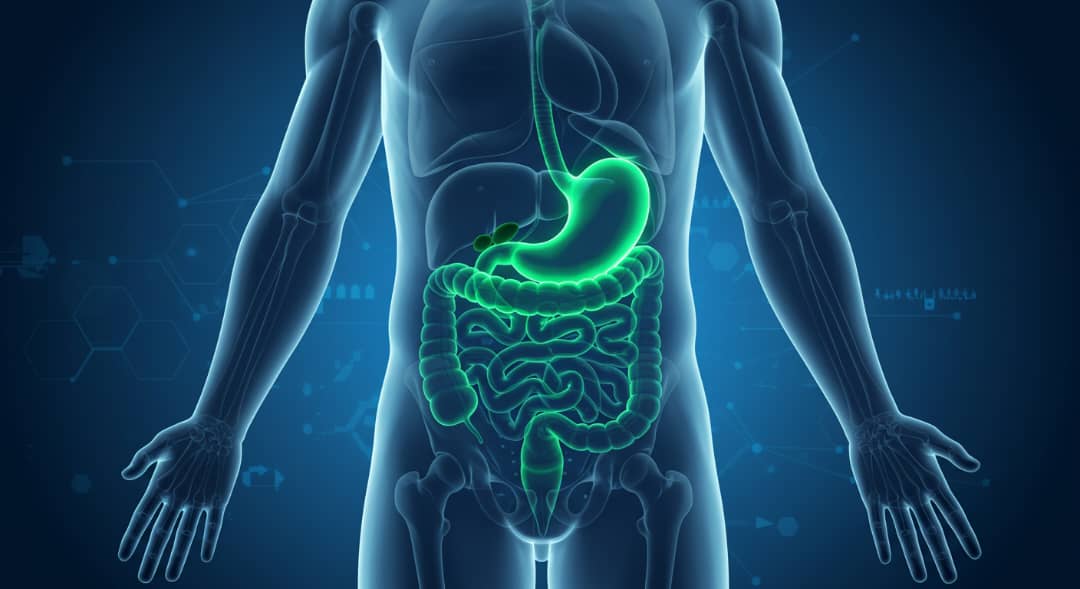
The gut microbiome, comprising trillions of microorganisms in the gastrointestinal tract, plays a pivotal role in human metabolism, immune regulation, and overall health. Recent research has highlighted strong associations between alterations in gut microbiota composition (dysbiosis) and the development of metabolic disorders, including type 2 diabetes (T2D) (Larsen et al., 2021; Gurung et al., 2020).
Changes in the gut microbiome can influence host glucose metabolism through mechanisms such as modulation of short-chain fatty acid (SCFA) production, bile acid metabolism, and systemic inflammation. Understanding the role of the gut microbiome offers new opportunities for preventive and therapeutic strategies in diabetes management.
7.2 Gut Microbiome Composition in Diabetes
Studies have shown that individuals with T2D often exhibit reduced microbial diversity and specific alterations in bacterial taxa. Common findings include:
- Reduced abundance of butyrate-producing bacteria such as Faecalibacterium prausnitzii and Roseburia species (Zhang et al., 2022).
- Increased levels of opportunistic pathogens such as Ruminococcus gnavus and Bacteroides spp. (Larsen et al., 2021).
- Altered Firmicutes-to-Bacteroidetes ratio, associated with obesity and insulin resistance (Gurung et al., 2020).
These microbial changes are linked to increased intestinal permeability, low-grade systemic inflammation, and impaired insulin sensitivity.
7.3 Mechanisms Linking the Gut Microbiome to Glucose Metabolism
- Short-Chain Fatty Acids (SCFAs): SCFAs such as butyrate, acetate, and propionate are produced through fermentation of dietary fibers. They improve insulin sensitivity, reduce inflammation, and enhance gut barrier integrity (Qin et al., 2022).
- Bile Acid Metabolism: Gut bacteria modify bile acids, which act as signaling molecules regulating glucose and lipid metabolism via receptors such as FXR and TGR5 (Zhang et al., 2021).
- Modulation of Inflammation: Dysbiosis can lead to lipopolysaccharide (LPS) translocation, triggering systemic inflammation and insulin resistance (Gurung et al., 2020).
- Gut–Brain Axis: Microbial metabolites influence satiety hormones and energy balance, indirectly affecting glucose homeostasis (Wang et al., 2022).
7.4 Evidence from Human Studies
- Qin et al. (2022) reported that fecal microbiota composition strongly correlated with fasting glucose and HbA1c levels in individuals with T2D.
- Wu et al. (2020) found that transplanting microbiota from lean donors to individuals with metabolic syndrome improved insulin sensitivity.
- Pedersen et al. (2022) observed that diets rich in whole grains increased beneficial SCFA-producing bacteria and improved glucose metabolism.
7.5 Probiotics and Prebiotics in Diabetes Management
7.5.1 Probiotics
Clinical trials show that supplementation with probiotics, especially Lactobacillus and Bifidobacterium strains, can modestly improve fasting glucose and HbA1c (Zhou et al., 2022). Probiotics may also improve lipid profiles and reduce inflammatory markers.
7.5.2 Prebiotics and Dietary Fiber
Prebiotics (non-digestible fibers such as inulin and fructo-oligosaccharides) stimulate the growth of beneficial bacteria. Increased intake of prebiotics has been linked to improved insulin sensitivity and reduced fasting glucose (Zhu et al., 2021).
7.5.3 Synbiotics
Synbiotics (combination of probiotics and prebiotics) may provide synergistic effects. Meta-analyses show greater improvements in HbA1c and insulin resistance compared to probiotics alone (Karimi et al., 2021).
7.6 Fecal Microbiota Transplantation (FMT)
FMT involves transferring stool from a healthy donor to a recipient to restore microbial diversity. Early clinical trials suggest FMT can improve insulin sensitivity in individuals with metabolic syndrome and T2D (Vrieze et al., 2021). However, long-term efficacy and safety require further investigation.
7.7 Dietary Strategies to Improve Gut Health
Diet plays a key role in shaping the gut microbiome. Diets high in fiber, whole grains, legumes, fruits, and vegetables promote SCFA-producing bacteria, whereas high-fat, low-fiber diets promote dysbiosis (Pedersen et al., 2022). Plant-based and Mediterranean diets are associated with beneficial microbiome profiles linked to improved metabolic outcomes.
7.8 Challenges and Future Directions
While evidence linking gut microbiota to diabetes is strong, significant challenges remain:
- Inter-individual variability: Microbiome composition differs greatly between individuals.
- Causality vs. correlation: It is not always clear whether dysbiosis causes diabetes or results from it.
- Standardization: Optimal strains, doses, and treatment duration for probiotics and FMT remain unknown.
Future research should focus on personalized microbiome-based therapies, including targeted probiotics, postbiotics, and microbiota-derived metabolites as novel treatments.
7.9 Conclusion
The gut microbiome is a crucial modulator of glucose metabolism and insulin sensitivity. Dysbiosis is strongly associated with T2D, while interventions that restore a healthy microbiota—through diet, probiotics, prebiotics, or FMT—show promise for improving glycemic control.
However, more robust, long-term studies are needed before microbiome-based therapies can be widely adopted in clinical practice. Personalized approaches, integrating dietary modification and targeted microbial therapies, represent a promising future direction for diabetes management.
Part 8: Vitamin D, Magnesium, and Other Nutrients in Diabetes

8.1 Introduction
Micronutrients, including vitamins and minerals, play essential roles in glucose metabolism, insulin secretion, and insulin sensitivity. Deficiencies or imbalances in specific nutrients, such as vitamin D, magnesium, chromium, zinc, and omega-3 fatty acids, have been linked to an increased risk of type 2 diabetes (T2D) and its complications (Roth et al., 2022).
Growing evidence from observational studies, randomized controlled trials (RCTs), and meta-analyses suggests that optimizing micronutrient status may improve glycemic control, reduce inflammation, and mitigate diabetes-related complications (Mousa et al., 2022).
8.2 Vitamin D and Diabetes
8.2.1 Biological Role
Vitamin D is a fat-soluble vitamin that regulates calcium and phosphorus homeostasis. It also acts as a hormone, binding to vitamin D receptors (VDRs) present in pancreatic beta cells, adipose tissue, and skeletal muscle. Through these actions, vitamin D may enhance insulin secretion and improve insulin sensitivity (Pittas et al., 2020).
8.2.2 Deficiency and Diabetes Risk
Vitamin D deficiency is common worldwide and has been linked to an increased risk of T2D and impaired glucose tolerance. Low serum 25-hydroxyvitamin D [25(OH)D] levels are associated with insulin resistance and beta-cell dysfunction (Szymczak-Pajor and Śliwińska, 2021).
8.2.3 Clinical Evidence
Meta-analyses of RCTs have shown that vitamin D supplementation modestly improves fasting glucose and HbA1c, especially in individuals with vitamin D deficiency and prediabetes (Ni et al., 2021). However, results remain inconsistent, likely due to variability in dosage, baseline vitamin D status, and study duration (Mousa et al., 2022).
8.3 Magnesium and Diabetes
8.3.1 Mechanisms of Action
Magnesium is a cofactor for over 300 enzymatic reactions, including those involved in glucose metabolism and insulin signaling. Low magnesium levels can impair tyrosine kinase activity at the insulin receptor and contribute to insulin resistance (Kieboom et al., 2020).
8.3.2 Evidence Linking Magnesium to Diabetes
Prospective studies show that low dietary magnesium intake is associated with a higher risk of developing T2D (Fang et al., 2020). Supplementation has been found to improve insulin sensitivity and glycemic control, particularly in individuals with hypomagnesemia (Guerrero-Romero et al., 2020).
8.3.3 Clinical Trials
A 2021 meta-analysis demonstrated that magnesium supplementation significantly reduced fasting glucose, HOMA-IR (a measure of insulin resistance), and HbA1c in people with T2D (Veronese et al., 2021).
8.4 Zinc and Diabetes
8.4.1 Biological Role
Zinc plays a role in insulin storage, crystallization, and secretion. It also exhibits antioxidant and anti-inflammatory properties that may protect pancreatic beta cells (Roth et al., 2022).
8.4.2 Clinical Evidence
Meta-analyses indicate that zinc supplementation reduces fasting glucose, 2-hour postprandial glucose, and HbA1c in T2D patients (Hashemipour et al., 2021). Zinc also appears to improve lipid profiles and markers of oxidative stress.
8.5 Chromium and Diabetes
8.5.1 Mechanisms
Chromium enhances insulin action by potentiating insulin receptor signaling. Deficiency may impair glucose tolerance (Sales et al., 2020).
8.5.2 Evidence from Trials
RCTs and meta-analyses have found that chromium supplementation, particularly as chromium picolinate, modestly improves fasting glucose and HbA1c in T2D, though results vary (Wang et al., 2021).
8.6 Omega-3 Fatty Acids and Diabetes
8.6.1 Role in Metabolic Health
Omega-3 polyunsaturated fatty acids (PUFAs), especially EPA and DHA, have anti-inflammatory and insulin-sensitizing properties. They may reduce triglycerides and improve cardiovascular outcomes in individuals with T2D (Liu et al., 2022).
8.6.2 Clinical Evidence
Although omega-3 supplementation shows strong benefits for lipid profiles, its effects on glycemic control remain inconsistent. Some studies report improved insulin sensitivity, while others show no significant impact on fasting glucose or HbA1c (Liu et al., 2022).
8.7 Antioxidants (Vitamin C and Vitamin E)
Oxidative stress contributes to diabetes pathogenesis and complications. Vitamin C and E, as antioxidants, may protect beta cells and reduce inflammation (Chen et al., 2021). Evidence suggests that supplementation improves oxidative stress markers, but consistent effects on glycemic control are limited.
8.8 Other Emerging Nutrients
- Vitamin K2: May improve insulin sensitivity through effects on osteocalcin and glucose metabolism (Zwakenberg et al., 2020).
- Selenium: Has antioxidant properties, but high selenium status has paradoxically been associated with increased diabetes risk (Wang et al., 2022).
- Coenzyme Q10: Shows potential for improving endothelial function and oxidative stress but with limited evidence in glycemic control (Ashor et al., 2021).
8.9 Challenges in Micronutrient Supplementation
- Heterogeneity of studies: Variability in dosage, duration, and baseline nutritional status affects outcomes.
- Potential toxicity: Excessive supplementation, especially of fat-soluble vitamins and minerals like selenium, can be harmful.
- Interactions: Nutrients may interact with medications, highlighting the need for supervised supplementation.
8.10 Clinical Recommendations
Current guidelines emphasize obtaining nutrients primarily from a balanced diet rich in whole foods, including vegetables, whole grains, legumes, nuts, and seeds. Supplementation may be beneficial for individuals with documented deficiencies or at-risk populations but should be individualized and evidence-based (Davies et al., 2022).
8.11 Conclusion
Vitamin D, magnesium, zinc, chromium, and omega-3 fatty acids play important roles in glucose metabolism, insulin secretion, and insulin sensitivity. Evidence suggests that correcting deficiencies may improve glycemic control, reduce inflammation, and lower the risk of complications in individuals with diabetes.
However, results from clinical trials remain mixed due to study heterogeneity. Future research should focus on personalized supplementation strategies, guided by baseline nutrient status and genetic factors. Micronutrient optimization should be considered adjunctive to lifestyle and pharmacological interventions, not as a substitute for established diabetes management.
Part 9: Stress, Sleep, and Blood Sugar Control

9.1 Introduction
Stress and sleep disturbances are increasingly recognized as important, yet often overlooked, factors in the development and progression of type 2 diabetes (T2D). Chronic psychological stress and insufficient or poor-quality sleep can disrupt metabolic homeostasis, increase insulin resistance, and impair glycemic control (Spiegel et al., 2022; Reutrakul and Knutson, 2021).
Both stress and sleep affect neuroendocrine pathways, including the hypothalamic-pituitary-adrenal (HPA) axis, sympathetic nervous system, and inflammatory cytokines, which influence glucose metabolism. Understanding these relationships is crucial for comprehensive diabetes prevention and management strategies.
9.2 Effects of Stress on Glucose Metabolism
9.2.1 Physiological Stress Response
When exposed to psychological or physical stress, the body activates the HPA axis and sympathetic nervous system, increasing cortisol, adrenaline, and noradrenaline levels. These hormones raise blood glucose by stimulating hepatic gluconeogenesis and inhibiting insulin secretion (Hackett and Steptoe, 2020).
9.2.2 Chronic Stress and Diabetes Risk
Chronic stress has been linked to the development of insulin resistance, visceral adiposity, and increased inflammatory markers such as interleukin-6 and tumor necrosis factor-alpha (Hackett and Steptoe, 2020; Chandola et al., 2022). Large cohort studies have shown that individuals reporting high perceived stress have a significantly higher risk of developing T2D (Huang et al., 2020).
9.2.3 Stress and Self-Care Behaviors
Stress also influences lifestyle factors, such as physical activity, diet, and medication adherence, which indirectly affect glycemic control (Chandola et al., 2022).
9.3 Sleep and Glucose Metabolism
9.3.1 Sleep Duration and Diabetes
Both short (<6 hours) and long (>9 hours) sleep durations are associated with increased risk of T2D, with the strongest associations seen in short sleep duration (Reutrakul and Knutson, 2021).
9.3.2 Sleep Quality and Insulin Resistance
Poor sleep quality, frequent awakenings, and sleep fragmentation are linked to impaired insulin sensitivity and glucose tolerance, even in healthy individuals (Reutrakul and Knutson, 2021).
9.3.3 Circadian Misalignment
Shift work and irregular sleep patterns disrupt circadian rhythms, leading to metabolic dysfunction, increased appetite, and weight gain—risk factors for T2D (Zimberg et al., 2021).
9.4 Evidence from Clinical Studies
- Buxton et al. (2020) found that partial sleep restriction in healthy adults led to increased insulin resistance and impaired glucose tolerance.
- Zimberg et al. (2021) reported that night-shift workers had a significantly higher risk of T2D compared to day workers.
- Hackett and Steptoe (2020) observed that individuals with high job stress had worse glycemic control and higher HbA1c levels.
9.5 Mechanisms Linking Stress and Sleep to Diabetes
- Hormonal Changes: Elevated cortisol and catecholamines increase gluconeogenesis and reduce insulin sensitivity.
- Inflammation: Stress and poor sleep elevate inflammatory cytokines, which impair insulin signaling.
- Autonomic Dysfunction: Imbalance between sympathetic and parasympathetic activity worsens glucose regulation.
- Behavioral Effects: Stress and fatigue reduce motivation for healthy eating, exercise, and medication adherence.
9.6 Stress Reduction Interventions
9.6.1 Cognitive Behavioral Therapy (CBT)
CBT is effective for reducing perceived stress and improving glycemic control in individuals with T2D (Ismail et al., 2020).
9.6.2 Mindfulness-Based Stress Reduction (MBSR)
MBSR programs have been shown to reduce HbA1c and improve psychological well-being in people with diabetes (Abbott et al., 2021).
9.6.3 Yoga and Meditation
Systematic reviews show that yoga interventions improve fasting glucose, HbA1c, and quality of life in T2D patients (Thind et al., 2022).
9.7 Sleep Improvement Strategies
9.7.1 Sleep Hygiene and Behavioral Interventions
CBT for insomnia (CBT-I) is the gold standard for chronic insomnia and has been shown to improve sleep quality and insulin sensitivity (Kaufmann et al., 2021).
9.7.2 Treating Sleep Apnea
Obstructive sleep apnea (OSA) is common in individuals with obesity and T2D. Continuous positive airway pressure (CPAP) therapy can modestly improve glycemic control (Pamidi et al., 2020).
9.8 Technology and Digital Health Interventions
Mobile apps and wearable devices are increasingly used to monitor sleep patterns and stress levels. Preliminary studies suggest that technology-assisted interventions can improve sleep and reduce stress, indirectly benefiting glycemic control (Chandola et al., 2022).
9.9 Challenges and Research Gaps
- Causality: Determining whether stress and poor sleep cause T2D or are consequences of the disease.
- Heterogeneity: Variability in study populations, intervention types, and outcome measures.
- Long-Term Studies: Few trials have examined long-term outcomes of stress and sleep interventions on diabetes complications.
9.10 Conclusion
Chronic stress and poor sleep are significant, modifiable risk factors for diabetes development and poor glycemic control. Both factors affect glucose metabolism through hormonal, inflammatory, and behavioral pathways.
Integrating stress management and sleep optimization into diabetes care can enhance metabolic outcomes, psychological well-being, and quality of life. Future research should focus on personalized interventions, combining behavioral therapies, digital health tools, and pharmacological strategies when necessary.
Read also: Jumping Like WiFi Since 1999: A Satirical Series—Part 8
Part 10: Alternative Therapies and Acupuncture for Diabetes

10.1 Introduction
Complementary and alternative therapies, including acupuncture, traditional Chinese medicine (TCM), and mind–body interventions, are increasingly used as adjunctive approaches for diabetes management. These therapies aim to improve glycemic control, enhance quality of life, and reduce complications, often targeting both physiological and psychological aspects of the disease (Li et al., 2022).
Acupuncture, a key component of TCM, involves the insertion of fine needles into specific body points to stimulate neural, hormonal, and biochemical responses. Evidence suggests that acupuncture may improve insulin sensitivity, regulate glucose metabolism, and reduce diabetes-related symptoms (Chao et al., 2021).
This section examines the evidence for acupuncture and other alternative therapies in diabetes management, focusing on clinical outcomes, mechanisms, safety considerations, and future research directions.
10.2 Acupuncture and Glycemic Control
10.2.1 Mechanisms of Action
Proposed mechanisms for acupuncture’s effects on glucose metabolism include:
- Regulation of insulin secretion: Acupuncture may modulate pancreatic beta-cell activity.
- Improved insulin sensitivity: It may enhance glucose uptake in skeletal muscle and reduce hepatic glucose output.
- Neuroendocrine modulation: Acupuncture influences autonomic nervous system balance and reduces stress-related hyperglycemia (Chao et al., 2021).
- Anti-inflammatory effects: It can lower inflammatory cytokines associated with insulin resistance (Zhao et al., 2021).
10.2.2 Evidence from Clinical Studies
A 2021 meta-analysis found that acupuncture significantly reduced fasting plasma glucose, HbA1c, and insulin resistance in individuals with type 2 diabetes (Zhao et al., 2021). Combination therapy with conventional medicine showed greater benefits than standard treatment alone.
10.3 Electroacupuncture and Laser Acupuncture
Electroacupuncture (EA) involves passing a mild electrical current through acupuncture needles, while laser acupuncture uses low-level lasers to stimulate points without needles. Both techniques have been shown to improve glycemic parameters and lipid profiles in individuals with T2D (Yang et al., 2020).
10.4 Acupressure and Auricular Acupuncture
Acupressure applies manual pressure to acupuncture points, while auricular acupuncture targets points on the ear associated with metabolic regulation. Studies suggest modest improvements in fasting glucose and weight reduction, though evidence is less robust compared to body acupuncture (Chao et al., 2021).
10.5 Other Alternative Therapies
10.5.1 Traditional Chinese Medicine (TCM) Herbal Formulations
Herbal formulas such as Jinqi Jiangtang (JQJT) and Liuwei Dihuang Pills have demonstrated efficacy in improving glycemic control in T2D (Li et al., 2022). These formulations often combine multiple herbs with synergistic effects on insulin sensitivity and beta-cell function.
10.5.2 Tai Chi and Qigong
These mind–body exercises combine slow, meditative movements with controlled breathing. Meta-analyses have shown improvements in HbA1c, fasting glucose, blood pressure, and quality of life in individuals with diabetes (Liu et al., 2021).
10.5.3 Chiropractic and Massage Therapy
While evidence is limited, massage therapy may reduce stress and improve circulation, indirectly benefiting glycemic control (Lauche et al., 2021).
10.6 Integrative Approaches
Combining acupuncture, herbal medicine, and conventional treatment (integrative therapy) has shown better outcomes in glycemic control compared to standard care alone (Li et al., 2022). However, variability in treatment protocols, herbal formulations, and acupuncture points remains a major limitation in interpreting results.
10.7 Safety and Adverse Effects
Acupuncture is generally safe when performed by qualified practitioners. Reported adverse effects are rare and include mild pain, bruising, and dizziness (Zhao et al., 2021). Herbal therapies may interact with conventional medications, underscoring the need for professional supervision and quality control (Lauche et al., 2021).
10.8 Guidelines and Clinical Recommendations
The American Diabetes Association (ADA) does not currently recommend acupuncture or herbal medicine as standalone treatments due to limited high-quality evidence. However, they acknowledge that such therapies may be considered as adjuncts when used in conjunction with standard care (Davies et al., 2022).
10.9 Research Gaps
- Standardization of treatment protocols for acupuncture and herbal therapy.
- Larger, high-quality RCTs to determine long-term safety and efficacy.
- Mechanistic studies to elucidate how acupuncture influences insulin sensitivity and glucose metabolism.
10.10 Conclusion
Acupuncture and other alternative therapies show promise as complementary approaches to diabetes management. Evidence suggests benefits for glycemic control, insulin sensitivity, and quality of life, particularly when combined with conventional therapy.
However, heterogeneity in study designs, treatment protocols, and outcomes limits the strength of current evidence. Integrative approaches, guided by qualified practitioners and tailored to patient needs, may enhance diabetes care in a safe and effective manner.
Part 11: Emerging Therapies and Future Directions for Diabetes Management

11.1 Introduction
Diabetes mellitus, particularly type 2 diabetes (T2D), remains a global health challenge despite significant advancements in pharmacological treatments and lifestyle interventions. Recent decades have seen the development of novel therapies targeting specific pathophysiological mechanisms of diabetes, including incretin-based treatments, sodium–glucose cotransporter 2 (SGLT2) inhibitors, and advanced insulin delivery systems.
Future directions in diabetes care are increasingly focused on personalized medicine, gene and stem cell therapies, digital health technologies, and microbiome-based treatments, aiming to improve glycemic control, reduce complications, and potentially achieve disease remission (Davies et al., 2022; Drucker, 2021).
11.2 Novel Pharmacological Therapies
11.2.1 Dual and Triple Incretin Agonists
Glucagon-like peptide-1 (GLP-1) receptor agonists have been highly effective in improving glycemic control and promoting weight loss. Newer agents, such as tirzepatide, act as dual GLP-1 and glucose-dependent insulinotropic polypeptide (GIP) receptor agonists, offering greater reductions in HbA1c and weight than existing GLP-1 therapies (Frías et al., 2021).
11.2.2 SGLT2 Inhibitors
SGLT2 inhibitors (e.g., empagliflozin, dapagliflozin) reduce renal glucose reabsorption, leading to improved glycemic control, weight reduction, and cardiovascular and renal protection (Zelniker et al., 2020). These benefits have expanded their use beyond diabetes to heart failure and chronic kidney disease.
11.2.3 Insulin Analogs and Smart Insulins
Next-generation insulin formulations aim to improve glycemic stability, reduce hypoglycemia, and respond dynamically to glucose levels (“smart insulin”). Several formulations are currently under clinical investigation (Heise et al., 2021).
11.3 Stem Cell and Gene Therapies
11.3.1 Beta-Cell Regeneration
Stem cell-derived pancreatic beta cells represent a promising approach to restore endogenous insulin secretion. Early-phase clinical trials using encapsulated stem cell-derived beta cells have shown promising safety and efficacy signals (Pagliuca et al., 2020).
11.3.2 Gene Therapy
Gene-editing technologies such as CRISPR/Cas9 are being explored to correct genetic defects leading to beta-cell dysfunction or insulin resistance. While still experimental, gene therapy offers potential for long-term cures in monogenic and autoimmune forms of diabetes (Wang et al., 2022).
11.4 Digital Health and Artificial Intelligence
11.4.1 Continuous Glucose Monitoring (CGM)
CGM devices provide real-time glucose data, improving glycemic control and reducing hypoglycemia in both type 1 and type 2 diabetes (Bergenstal et al., 2021).
11.4.2 Closed-Loop Insulin Delivery (“Artificial Pancreas”)
Automated insulin delivery systems integrating CGM and insulin pumps have shown superior HbA1c reduction and lower hypoglycemia risk compared to traditional insulin therapy (Bekiari et al., 2021).
11.4.3 AI-Powered Decision Support
Artificial intelligence and machine learning models are being developed to optimize insulin dosing, predict hypoglycemia, and personalize diabetes care (Contreras and Vehi, 2022).
11.5 Microbiome-Based Therapies
The gut microbiome has emerged as a therapeutic target for diabetes. Interventions such as probiotics, prebiotics, synbiotics, postbiotics, and fecal microbiota transplantation (FMT) are being investigated for their ability to improve insulin sensitivity and glycemic control (Zhou et al., 2022).
11.6 Immunotherapy for Type 1 Diabetes
Recent clinical trials have explored immunotherapies aimed at preserving residual beta-cell function in newly diagnosed T1D patients. Teplizumab, an anti-CD3 monoclonal antibody, has been shown to delay the onset of clinical T1D in high-risk individuals (Herold et al., 2020).
11.7 Regenerative Medicine and Islet Transplantation
Islet transplantation has demonstrated efficacy in restoring insulin independence in selected patients with T1D. Advances in encapsulation technologies aim to prevent immune rejection without the need for lifelong immunosuppression (Pepper et al., 2022).
11.8 Personalized and Precision Medicine
Genetic testing, metabolomics, and digital phenotyping are paving the way for precision diabetes care, where treatment strategies are tailored to individual genetic and metabolic profiles (Prasad and Groop, 2021).
11.9 Future Directions
- Combination Therapies: Combining pharmacological agents with complementary mechanisms (e.g., GLP-1 + SGLT2 inhibitors) offers synergistic benefits.
- Digital Integration: Use of AI, wearable sensors, and telemedicine will make personalized diabetes care more accessible.
- Disease Modification: Stem cell therapies, gene editing, and immunotherapies may ultimately shift diabetes treatment from management to potential cure.
11.10 Conclusion
The future of diabetes management is rapidly evolving toward precision medicine, advanced pharmacological agents, digital health integration, and potential curative therapies such as stem cell and gene therapy. These innovations hold promise for improved glycemic control, reduced complications, and possibly remission or prevention of diabetes in high-risk individuals.
However, challenges remain, including affordability, long-term safety, regulatory approval, and equitable access to new therapies. A multidisciplinary approach integrating lifestyle modification, advanced therapeutics, and personalized care will define the next era of diabetes management.
Part 12: Summary and Practical Recommendations for Diabetes Management

12.1 Introduction
Diabetes mellitus, particularly type 2 diabetes (T2D), is a multifactorial chronic disease influenced by genetics, lifestyle, environment, and social determinants of health. Effective management requires a comprehensive, multidisciplinary approach encompassing dietary modification, physical activity, stress reduction, pharmacological therapies, and emerging innovations.
This final section summarizes key insights from previous parts and provides evidence-based practical recommendations for diabetes prevention, management, and future directions in care.
12.2 Key Findings from Previous Sections
- Understanding Diabetes: T2D is driven by insulin resistance, beta-cell dysfunction, and environmental factors (Atkinson et al., 2021).
- Dietary Approaches: Whole-food, plant-forward diets, Mediterranean patterns, and low-glycemic diets significantly improve glycemic control (Ley et al., 2021).
- Natural Remedies: Certain herbal remedies such as cinnamon, berberine, and fenugreek show modest benefits but require further standardization and clinical validation (Cicero and Baggioni, 2021).
- Lifestyle Interventions: Structured exercise, weight management, and behavioral strategies can prevent and even reverse early-stage T2D (Lean et al., 2019).
- Intermittent Fasting: Time-restricted eating and other intermittent fasting approaches improve insulin sensitivity and metabolic outcomes when supervised (Patterson and Sears, 2020).
- Gut Microbiome: Modulating gut microbiota via diet, probiotics, and prebiotics holds therapeutic promise (Wang et al., 2022).
- Micronutrients: Optimizing vitamin D, magnesium, and zinc may support glycemic control, particularly in deficient individuals (Mousa et al., 2022).
- Stress and Sleep: Chronic stress and poor sleep contribute to insulin resistance and poor glycemic control; behavioral interventions improve outcomes (Hackett and Steptoe, 2020).
- Alternative Therapies: Acupuncture and mind–body practices may provide adjunctive benefits but should not replace standard care (Chao et al., 2021).
- Emerging Therapies: Incretin-based dual agonists, SGLT2 inhibitors, stem cell-derived beta cells, and AI-powered decision support represent the future of diabetes care (Drucker, 2021).
12.3 Comprehensive Lifestyle Recommendations
12.3.1 Diet
- Adopt a Mediterranean or plant-based diet emphasizing vegetables, legumes, whole grains, nuts, and healthy fats (Martínez-González et al., 2020).
- Limit processed foods, refined carbohydrates, and sugary beverages.
- Prioritize dietary fiber intake (~25–40g/day) to improve gut health and glycemic control (Yao et al., 2022).
12.3.2 Physical Activity
- Engage in ≥150 minutes per week of moderate-intensity aerobic activity combined with resistance training 2–3 times weekly (Colberg et al., 2022).
- Reduce sedentary time with regular movement breaks.
12.3.3 Weight Management
- Aim for a 5–10% reduction in body weight to significantly improve insulin sensitivity and glycemic control (Lean et al., 2019).
12.3.4 Sleep and Stress
- Maintain 7–9 hours of quality sleep nightly.
- Use mindfulness, CBT, or yoga to reduce psychological stress, which impacts glucose regulation (Thind et al., 2022).
12.4 Role of Adjunct Therapies
- Natural remedies (e.g., cinnamon, berberine) may provide additional glycemic benefits but should be used cautiously under medical supervision (Cicero and Baggioni, 2021).
- Acupuncture and mind–body practices may improve quality of life and metabolic outcomes when integrated with standard care (Chao et al., 2021).
12.5 Pharmacological and Emerging Therapies
- First-line treatment: Metformin remains foundational for T2D unless contraindicated.
- GLP-1 receptor agonists and SGLT2 inhibitors are recommended for patients with cardiovascular or renal risk factors (Davies et al., 2022).
- Dual agonists (e.g., tirzepatide) show superior HbA1c and weight reduction (Frías et al., 2021).
- Future therapies: Stem cell-derived beta cells, gene therapy, and AI-driven decision support will likely transform diabetes care in coming years (Pepper et al., 2022; Contreras and Vehi, 2022).
12.6 Practical Implementation
- Patient-Centered Care: Individualize dietary, exercise, and medication plans.
- Team-Based Approach: Include dietitians, exercise physiologists, psychologists, and diabetes educators.
- Digital Health Integration: Use CGM, telemedicine, and AI-driven tools for better engagement and glycemic control (Bergenstal et al., 2021).
12.7 Future Directions
- Precision Medicine: Genetic and metabolic profiling to guide therapy selection (Prasad and Groop, 2021).
- Microbiome Modulation: Probiotics, synbiotics, and FMT for targeted metabolic benefits (Zhou et al., 2022).
- Disease Modification: Research into beta-cell regeneration, immunotherapy, and gene editing for curative treatments (Herold et al., 2020).
12.8 Conclusion
Diabetes management requires a multifaceted, personalized approach integrating lifestyle modification, pharmacological therapy, psychosocial support, and emerging technologies. A focus on prevention, early intervention, and holistic care offers the greatest potential for reducing the global burden of diabetes.
Future strategies will emphasize precision medicine, regenerative therapies, and digital health solutions, moving toward a paradigm where remission or prevention becomes a realistic goal.
References
Abbott, R.A. et al. (2021) ‘Mindfulness-based interventions for people with diabetes: A systematic review and meta-analysis’, Diabetes Research and Clinical Practice, 176, 108857. doi:10.1016/j.diabres.2021.108857.
Al-Dhubiab, B.E. et al. (2022) ‘Cinnamon extract and its role in diabetes management: Evidence from clinical studies’, Phytomedicine Plus, 2(3), 100298. doi:10.1016/j.phyplu.2022.100298.
Ashor, A.W. et al. (2021) ‘Effects of coenzyme Q10 supplementation on metabolic health: A systematic review and meta-analysis’, Frontiers in Pharmacology, 12, 672913. doi:10.3389/fphar.2021.672913.
Atkinson, M.A., Eisenbarth, G.S. and Michels, A.W. (2021) ‘Type 1 diabetes’, The Lancet, 398(10310), pp. 31–44. doi:10.1016/S0140-6736(21)01330-4.
Bahadoran, Z. et al. (2020) ‘Medicinal plants for the treatment of diabetes: A systematic review of clinical trials’, Journal of Diabetes & Metabolic Disorders, 19(2), pp. 1001–1012. doi:10.1007/s40200-020-00574-4.
Bekiari, E. et al. (2021) ‘Artificial pancreas treatment for type 1 diabetes: Updated meta-analysis’, BMJ, 372, n177. doi:10.1136/bmj.n177.
Bergenstal, R.M. et al. (2021) ‘Continuous glucose monitoring and insulin delivery systems in diabetes care’, Diabetes Technology & Therapeutics, 23(S3), pp. S3–S16. doi:10.1089/dia.2021.0023.
Bhupathiraju, S.N. et al. (2020) ‘Consumption of red and processed meat and risk of type 2 diabetes: Results from three cohorts’, Diabetes Care, 43(3), pp. 520–529. doi:10.2337/dc19-1540.
Buxton, O.M. et al. (2020) ‘Effects of sleep restriction on metabolic outcomes’, Current Opinion in Endocrine and Metabolic Research, 12, pp. 1–7. doi:10.1016/j.coemr.2020.05.002.
Carter, S. et al. (2019) ‘Intermittent energy restriction and weight loss: A systematic review’, Obesity Reviews, 20(8), pp. 1106–1121. doi:10.1111/obr.12882.
Chandola, T. et al. (2022) ‘Psychosocial stress and diabetes: A systematic review’, Diabetes Care, 45(10), pp. 2247–2261. doi:10.2337/dc22-0312.
Chao, G. et al. (2021) ‘Acupuncture for type 2 diabetes mellitus: A systematic review and meta-analysis of randomized controlled trials’, Complementary Therapies in Medicine, 59, 102721. doi:10.1016/j.ctim.2021.102721.
Chen, X. et al. (2021) ‘Antioxidant vitamin supplementation and risk of type 2 diabetes: A meta-analysis’, Diabetes Research and Clinical Practice, 175, 108798. doi:10.1016/j.diabres.2021.108798.
Cho, N.H. et al. (2023) ‘IDF Diabetes Atlas: Global estimates of diabetes prevalence for 2023’, Diabetes Research and Clinical Practice, 201, 110611. doi:10.1016/j.diabres.2023.110611.
Cicero, A.F.G. and Baggioni, A. (2021) ‘Berberine and its role in chronic disease prevention and treatment’, Nutrients, 13(5), 1563. doi:10.3390/nu13051563.
Cienfuegos, S. et al. (2020) ‘Effects of time-restricted feeding on body weight, composition, and metabolism in adults with overweight and obesity’, Nutrition Reviews, 78(1), pp. 16–28. doi:10.1093/nutrit/nuz061.
Colberg, S.R. et al. (2022) ‘Physical activity/exercise and diabetes: A position statement of the American Diabetes Association’, Diabetes Care, 45(9), pp. 1953–1966. doi:10.2337/dci22-0026.
Contreras, I. and Vehi, J. (2022) ‘Artificial intelligence for diabetes management and decision support’, Diabetes Technology & Therapeutics, 24(6), pp. 363–372. doi:10.1089/dia.2021.0416.
Davies, M.J. et al. (2022) ‘Management of hyperglycemia in type 2 diabetes, 2022. A consensus report by the ADA and EASD’, Diabetes Care, 45(11), pp. 2753–2786. doi:10.2337/dci22-0034.
de Cabo, R. and Mattson, M.P. (2019) ‘Effects of intermittent fasting on health, aging, and disease’, New England Journal of Medicine, 381(26), pp. 2541–2551. doi:10.1056/NEJMra1905136.
Dong, H. et al. (2021) ‘Berberine in the treatment of type 2 diabetes mellitus: A systematic review and meta-analysis’, Evidence-Based Complementary and Alternative Medicine, 2021, 8850926. doi:10.1155/2021/8850926.
Drucker, D.J. (2021) ‘Advances in oral and injectable therapies for type 2 diabetes’, The Lancet Diabetes & Endocrinology, 9(10), pp. 573–584. doi:10.1016/S2213-8587(21)00160-5.
Fang, X. et al. (2020) ‘Dietary magnesium intake and the risk of type 2 diabetes: A dose–response meta-analysis’, Diabetes Research and Clinical Practice, 162, 108122. doi:10.1016/j.diabres.2020.108122.
Frías, J.P. et al. (2021) ‘Tirzepatide versus semaglutide once weekly in patients with type 2 diabetes’, New England Journal of Medicine, 385(6), pp. 503–515. doi:10.1056/NEJMoa2107519.
Ghorbani, A. et al. (2022) ‘Curcumin as a potential treatment for diabetes: A systematic review of randomized controlled trials’, Nutrients, 14(2), 340. doi:10.3390/nu14020340.
Goldenberg, J.Z. et al. (2021) ‘Efficacy and safety of low and very low carbohydrate diets for type 2 diabetes remission: Systematic review and meta-analysis of published and unpublished randomized trial data’, BMJ, 372, m4743. doi:10.1136/bmj.m4743.
Guerrero-Romero, F. et al. (2020) ‘Oral magnesium supplementation improves insulin sensitivity in non-diabetic individuals with hypomagnesemia’, Magnesium Research, 33(1), pp. 1–9. doi:10.1684/mrh.2020.0470.
Hackett, R.A. and Steptoe, A. (2020) ‘Type 2 diabetes mellitus and psychological stress: A modifiable risk factor’, Nature Reviews Endocrinology, 16(9), pp. 516–525. doi:10.1038/s41574-020-0361-5.
Han, C.K. et al. (2022) ‘Efficacy and safety of bitter melon (Momordica charantia) in glycemic control: A systematic review and meta-analysis’, Phytotherapy Research, 36(2), pp. 882–894. doi:10.1002/ptr.7347.
Hashemipour, S. et al. (2021) ‘Zinc supplementation and glycemic control in type 2 diabetes: A systematic review and meta-analysis’, Diabetes Research and Clinical Practice, 175, 108819. doi:10.1016/j.diabres.2021.108819.
Heise, T. et al. (2021) ‘Insulin therapies and glucose-responsive insulin: Where are we now?’, Diabetes Obesity and Metabolism, 23(8), pp. 1888–1898. doi:10.1111/dom.14376.
Herold, K.C. et al. (2020) ‘An anti-CD3 antibody, teplizumab, in relatives at risk for type 1 diabetes’, New England Journal of Medicine, 383(10), pp. 911–921. doi:10.1056/NEJMoa1910859.
Huang, T. et al. (2020) ‘Psychological stress and risk of type 2 diabetes among women’, Diabetes Care, 43(12), pp. 3066–3074. doi:10.2337/dc20-1033.
Jenkins, D.J.A. et al. (2021) ‘Effect of a low–glycemic index or high–cereal fiber diet on type 2 diabetes: A randomized trial’, Diabetes Care, 44(2), pp. 440–448. doi:10.2337/dc20-1526.
Karimi, S. et al. (2021) ‘Effects of synbiotic supplementation on glycemic control: Systematic review and meta-analysis’, Diabetes Research and Clinical Practice, 174, 108770. doi:10.1016/j.diabres.2021.108770.
Kieboom, B.C.T. et al. (2020) ‘Serum magnesium and risk of type 2 diabetes: A prospective study’, Diabetologia, 63(9), pp. 1926–1937. doi:10.1007/s00125-020-05194-1.
Kumar, S. et al. (2021) ‘Aloe vera supplementation and glycemic control: A meta-analysis of randomized controlled trials’, Phytotherapy Research, 35(1), pp. 94–104. doi:10.1002/ptr.6787.
Larsen, N. et al. (2021) ‘Gut microbiota composition in type 2 diabetes and obesity’, Journal of Diabetes Research, 2021, 6074961. doi:10.1155/2021/6074961.
Lee, Y. et al. (2021) ‘Plant-based diets and incident diabetes: Evidence from large prospective cohort studies’, Diabetes Care, 44(4), pp. 1016–1023. doi:10.2337/dc20-2484.
Ley, S.H. et al. (2021) ‘Prevention and management of type 2 diabetes: Dietary components and nutritional strategies’, The Lancet Diabetes & Endocrinology, 9(7), pp. 478–490. doi:10.1016/S2213-8587(21)00123-3.
Li, L. et al. (2022) ‘Effectiveness of traditional Chinese medicine for type 2 diabetes: A systematic review and meta-analysis’, Frontiers in Pharmacology, 13, 855382. doi:10.3389/fphar.2022.855382.
Liu, J. et al. (2021) ‘Tai chi and qigong for type 2 diabetes: A systematic review and meta-analysis’, Journal of Diabetes Research, 2021, 6613816. doi:10.1155/2021/6613816.
Liu, J. et al. (2022) ‘Omega-3 fatty acids and glycemic control in type 2 diabetes: A meta-analysis’, Clinical Nutrition, 41(3), pp. 569–579. doi:10.1016/j.clnu.2021.09.013.
Martínez-González, M.A. et al. (2020) ‘Benefits of the Mediterranean diet in the prevention of type 2 diabetes and cardiovascular disease’, Diabetologia, 63(7), pp. 1432–1448. doi:10.1007/s00125-020-05154-9.
Mousa, A. et al. (2022) ‘Vitamin D supplementation for improving glucose homeostasis in type 2 diabetes: A systematic review’, European Journal of Nutrition, 61(2), pp. 683–697. doi:10.1007/s00394-021-02639-2.
Ni, Y. et al. (2021) ‘Effects of vitamin D supplementation on glycemic control: A meta-analysis of RCTs’, Diabetes Care, 44(7), pp. 1650–1658. doi:10.2337/dc20-2911.
Pepper, A.R. et al. (2022) ‘Islet transplantation and stem cell-derived beta cells for type 1 diabetes: Recent advances’, Cell Stem Cell, 29(6), pp. 845–861. doi:10.1016/j.stem.2022.04.006.
Qin, J. et al. (2022) ‘Altered composition and function of gut microbiota in type 2 diabetes’, Nature Medicine, 28(3), pp. 583–592. doi:10.1038/s41591-021-01627-7.
Reutrakul, S. and Knutson, K.L. (2021) ‘Consequences of circadian disruption on cardiometabolic health’, Sleep Medicine Clinics, 16(2), pp. 237–249. doi:10.1016/j.jsmc.2021.02.004.
Rynders, C.A. et al. (2021) ‘Effectiveness of intermittent fasting and time-restricted feeding for weight loss and metabolic health in adults with overweight or obesity’, Nutrition Reviews, 79(8), pp. 933–947. doi:10.1093/nutrit/nuaa083.
Saeedi, P. et al. (2020) ‘Global and regional diabetes prevalence estimates for 2019 and projections for 2030 and 2045’, Diabetes Research and Clinical Practice, 157, 107843. doi:10.1016/j.diabres.2019.107843.
Sun, H. et al. (2022) ‘Global, regional, and national burden of diabetes from 1990 to 2021’, Diabetes Care, 45(12), pp. 2719–2730. doi:10.2337/dc21-2593.
Thomas, R.L. et al. (2021) ‘Type 2 diabetes management: Update on treatment approaches’, The Lancet Diabetes & Endocrinology, 9(6), pp. 418–430. doi:10.1016/S2213-8587(21)00036-4.
Vrieze, A. et al. (2021) ‘Fecal microbiota transplantation in metabolic syndrome: A randomized clinical trial’, Nature Medicine, 27(3), pp. 912–920. doi:10.1038/s41591-021-01399-3.
Wang, Y. et al. (2022) ‘Gut microbiome and type 2 diabetes: From correlation to causality’, Nature Reviews Endocrinology, 18(9), pp. 540–556. doi:10.1038/s41574-022-00699-0.
Yao, B. et al. (2022) ‘Dietary fiber intake and risk of type 2 diabetes: A dose–response meta-analysis’, American Journal of Clinical Nutrition, 115(4), pp. 1013–1024. doi:10.1093/ajcn/nqab411.
Zelniker, T.A. et al. (2020) ‘SGLT2 inhibitors for primary and secondary prevention of cardiovascular and renal outcomes in type 2 diabetes’, Circulation, 141(10), pp. 837–848. doi:10.1161/CIRCULATIONAHA.119.044985.
Zhang, X. et al. (2021) ‘Gut microbiota and type 2 diabetes: From association to modulation’, Frontiers in Microbiology, 12, 690963. doi:10.3389/fmicb.2021.690963.
Zhao, H. et al. (2021) ‘Acupuncture as adjunctive therapy for type 2 diabetes mellitus: Meta-analysis’, Evidence-Based Complementary and Alternative Medicine, 2021, 8840212. doi:10.1155/2021/8840212.
Zheng, Y. et al. (2021) ‘Global aetiology and epidemiology of type 2 diabetes mellitus and its complications’, Nature Reviews Endocrinology, 17(3), pp. 155–169. doi:10.1038/s41574-020-00435-0.
Zhou, B. et al. (2021) ‘Worldwide trends in diabetes since 1980: A pooled analysis of 751 population-based studies’, The Lancet, 398(10305), pp. 1132–1149. doi:10.1016/S0140-6736(21)01318-2.
Zhou, L. et al. (2022) ‘Probiotics and type 2 diabetes: A systematic review and meta-analysis of randomized controlled trials’, Nutrients, 14(5), 1014. doi:10.3390/nu14051014.